
AIDS and HIV are among the world’s major health problems. Despite the advancement of medical technology, these diseases are still misunderstood and there are false beliefs in society. Providing accurate and complete information is important to help reduce the spread of the disease and unnecessary fear. Therefore, understanding AIDS and HIV in detail, covering the origins of the disease, causes, symptoms, prevention methods and treatment methods, is to create correct knowledge and understanding and reduce prejudice in society.
What is AIDS?
AIDS (Acquired Immunodeficiency Syndrome or AIDS) is the final stage of infection with the Human Immunodeficiency Virus (HIV). This virus directly affects the immune system by destroying CD4 white blood cells, which play an important role in fighting germs and foreign substances in the body. When the number of CD4 cells drops below normal, the body becomes weak and at risk of infection or complications that normal people can resist.
Although there is currently no cure for AIDS, regular use of antiretroviral therapy (ART) can help reduce the amount of virus in the body to a low level that is undetectable, and help infected people have good health and a lifespan similar to that of the general population.
Causes of AIDS
- Unprotected sex Unprotected sex is the main cause of HIV infection, which can occur in any form of sexual intercourse, whether vaginal, anal or oral sex. If one partner has HIV, contact with bodily fluids such as semen, lubricant or blood can allow the virus to enter the other person’s body.
- Infection through secretions and blood Exposure to HIV through secretions and blood is another important cause. But it can be prevented if we are aware and avoid risky behaviors. Examples of infection through secretions and blood
- Using contaminated needles or equipment, sharing needles among drug users, or using unclean needles, such as tattooing, body piercing, or injecting drugs without sterilization.
- Receiving infected blood In the past, receiving blood or transplanted organs from people with HIV was a common cause. But at present, this cause is very rare because donated blood is strictly screened before use.
- Contact with blood or body fluids, such as touching open wounds or mucous membranes in the mouth or eyes
- Infection from mother to child (during pregnancy, childbirth, and breastfeeding) Transmission of HIV from mother to child can occur during pregnancy, childbirth, or even breastfeeding. If the mother has HIV, the infection can be passed to the child through the placenta, during the birth canal, or through breast milk.
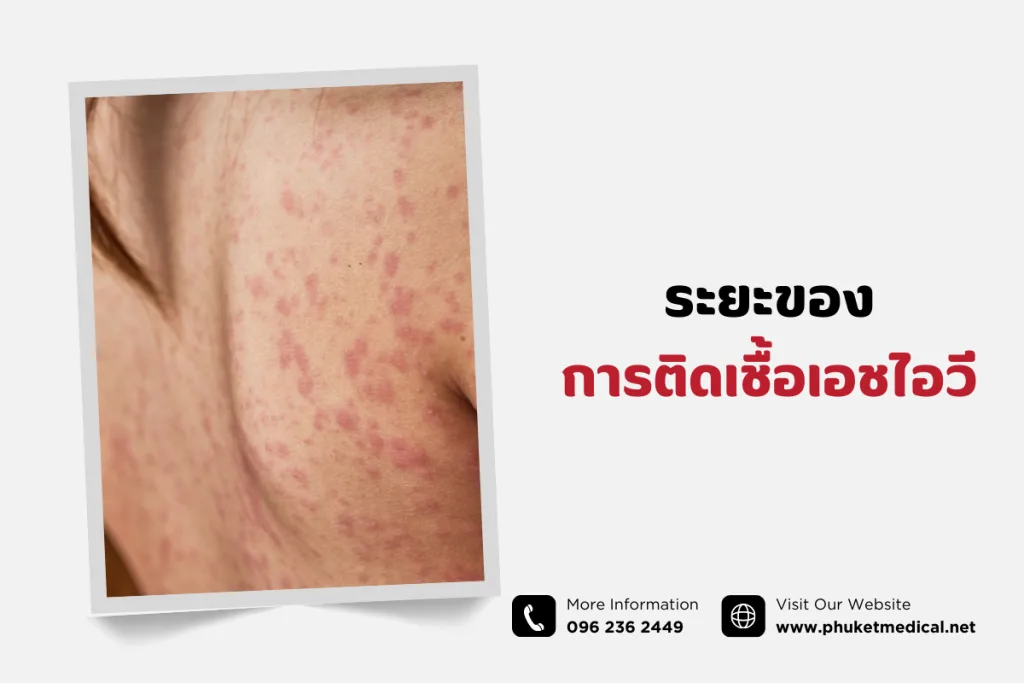
Stages of HIV Infection
HIV infection is divided into 3 main stages, each stage has different symptoms and changes in the body.
Asymptomatic stage (Acute HIV Infection)
- This stage occurs 2-4 weeks after being infected with HIV.
- Initial symptoms are often similar to the flu, such as high fever, muscle aches, sore throat, swollen lymph nodes, and a rash on the body. Some people may not have any symptoms at all.
- HIV begins to multiply rapidly in the body. The immune system begins to respond, but it is not enough to eliminate the virus.
- HIV testing during this stage may not be detected by general tests, but a test for viral RNA levels can be used to confirm the infection.
Asymptomatic stage or dormant stage (Chronic HIV Infection)
- HIV will gradually spread in the body and slowly destroy CD4 cells.
- Infected people may not have obvious symptoms and feel normal.
- This stage can last up to 10 years or more if not treated. However, in people who receive appropriate antiretroviral drugs This stage can be prolonged.
AIDS
- This is the final stage of HIV infection when the CD4 count drops below 200 cells/cubic millimeter.
- The body’s immune system is destroyed and cannot fight infections or complications such as tuberculosis, fungal infections, meningitis.
- Symptoms of this stage are severe and can be fatal if left untreated.
AIDS Symptoms
AIDS symptoms vary from person to person, depending on the immune system and the underlying diseases. Common symptoms include:
- General symptoms such as persistent or low-grade fever, fatigue, unusual tiredness, rapid unexplained weight loss, and night sweats.
- Skin symptoms such as rashes or chronic wounds that do not heal, and dermatitis or fungal infections.
- Gastrointestinal symptoms such as chronic or alternating diarrhea and loss of appetite or vomiting.
- Neurological symptoms such as short-term memory loss, confusion, forgetfulness, and severe headaches.
- Symptoms of complications such as severe infections such as tuberculosis, meningitis, or certain types of cancer such as Kaposi’s sarcoma.
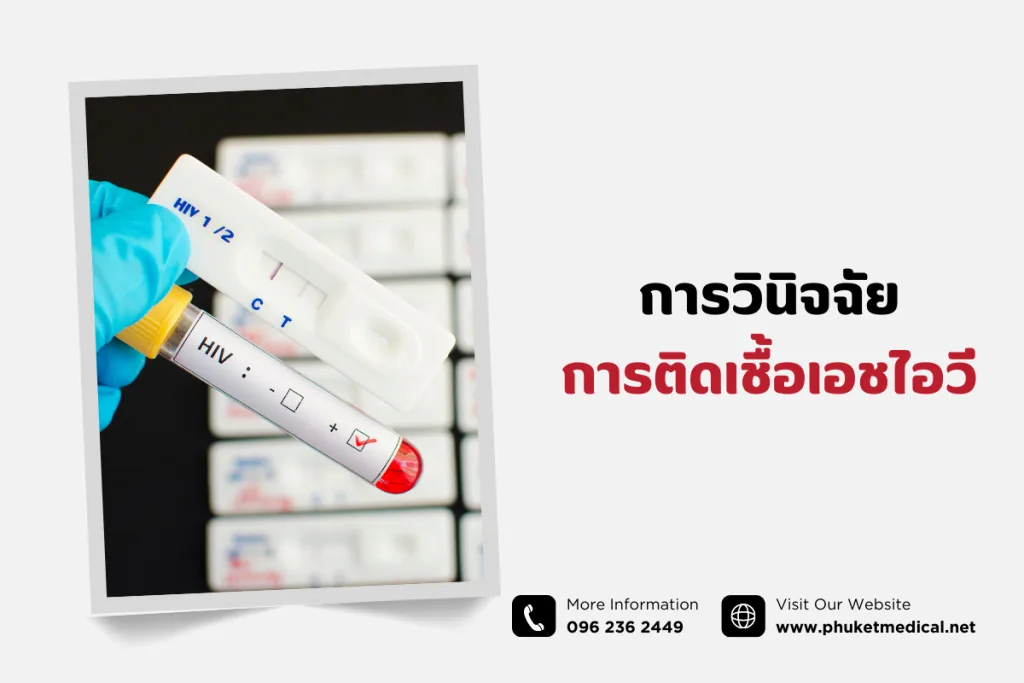
HIV Diagnosis
HIV diagnosis is an important step to ensure that patients receive appropriate and timely treatment. There are several methods used to detect the HIV virus in the body, including assessment of immune system damage and screening for complications. These diagnostic procedures are performed under the guidance of a medical professional for accuracy and safety.
HIV Testing
- Antibody tests are used to detect antibodies produced by the body to fight HIV. They are widely used tests, such as rapid tests or laboratory tests (ELISA). Post-infection period: It takes about 3-12 weeks after infection for the body to produce enough antibodies to detect it (called the window period).
- Antigen/Antibody tests test both the viral antigen protein (p24) and the antibodies produced by the body. They can detect the virus faster than antibody tests alone (about 2-4 weeks after infection). They are often used in laboratories and in some cases, they may be used in rapid test kits.
- Nucleic Acid Test (NAT) is the fastest test that can detect HIV by detecting viral RNA in the blood. It takes about 1-2 weeks after infection. It is often used in cases of very high risk or when the antibody test results are unclear.
- HIV Self-Test: A test kit that can be used to test yourself at home by collecting a sample from saliva or blood. If the result is positive, you should go for further confirmation at a hospital.
Confirmatory Test
If the initial screening result is positive, a confirmation test will be required to confirm the result again.
- Western Blot is a highly accurate confirmation test that detects specific proteins of HIV. It was used as a standard confirmation test in the past, but is now being replaced by more modern methods.
- Immunofluorescence Assay (IFA) uses fluorescent antibodies to detect HIV in blood samples.
- PCR (Polymerase Chain Reaction) is used to increase the amount of viral RNA or DNA in blood samples for detailed and accurate testing.
Diagnostics of AIDS
AIDS is diagnosed when HIV infection has developed to the stage where the immune system is severely damaged. The diagnostic criteria are as follows:
- CD4 cell level is less than 200 cells/cubic millimeter. The CD4 cell level is an important indicator of the body’s immunity. If it is less than 200 cells/cubic millimeter, it is considered to have entered the AIDS stage.
- Opportunistic infections Patients infected with HIV and having certain complications, such as tuberculosis, brain fungus, meningitis, or Kaposi’s Sarcoma, will be diagnosed with AIDS. Examples of common opportunistic infections:
- Pneumocystis jirovecii pneumonia
- Cytomegalovirus (CMV) infection
- Toxoplasmosis protozoan infection
- Severe complications, such as severe weight loss (Wasting Syndrome) or certain cancers related to HIV
Tests to assess the damage of the immune system
After confirming HIV infection, the doctor will perform additional tests to assess the level of damage to the immune system and plan treatment:
- The CD4 cell level test is used to monitor the strength of the immune system. Because the normal level is 500-1,500 cells/cubic millimeter
- Viral Load Testing is a test for the amount of HIV virus in the blood to help assess the effectiveness of antiretroviral therapy.
- Resistance Testing is used to detect HIV that is resistant to antiretroviral drugs in order to adjust the appropriate drug formula.
Additional tests to find complications
Patients who are infected with HIV or have entered the AIDS stage may need additional tests to diagnose complications:
- Lung and tuberculosis tests, chest X-rays or sputum tests to find tuberculosis germs.
- Brain and nervous system tests, CT scans or MRIs to diagnose brain infections such as Toxoplasmosis.
- Testing for fungi and other infectious diseases, culturing from blood, urine, or secretions.
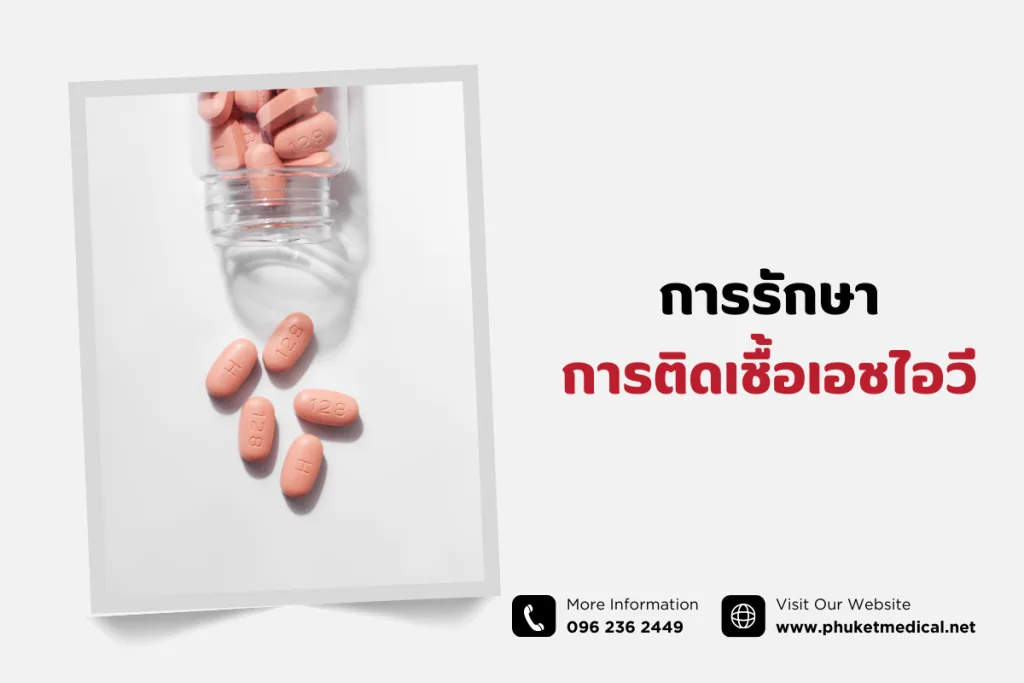
Treatment of HIV infection
Although there is currently no cure for HIV infection, medical advances have made it possible to effectively manage the disease. Treatment focuses on controlling the amount of HIV virus in the body, slowing down the deterioration of the immune system, and reducing the risk of complications.
Main treatment: Antiretroviral therapy (ART)
Antiretroviral drugs are the heart of AIDS treatment. They help reduce the amount of virus in the blood to an undetectable level (Undetectable Viral Load) and help prevent the spread of the infection to others. Antiretroviral drugs should be used under the supervision of a specialist doctor and must be taken strictly.
Types of Antiviral Drugs
- NRTIs (Nucleoside Reverse Transcriptase Inhibitors) These drugs work by stopping the replication of the virus at the genetic (DNA) level. Examples: Zidovudine (AZT), Lamivudine (3TC), Tenofovir (TDF)
- NNRTIs (Non-Nucleoside Reverse Transcriptase Inhibitors) work by blocking the enzymes that the virus needs to replicate. Examples: Efavirenz (EFV), Nevirapine (NVP)
- PIs (Protease Inhibitors) block the protease enzymes that are needed to make new viruses. Examples: Ritonavir (RTV), Lopinavir (LPV)
- Integrase Inhibitors prevent the fusion of viral DNA with the DNA of white blood cells. Examples: Raltegravir (RAL), Dolutegravir (DTG)
- Entry and Fusion Inhibitors These drugs prevent the virus from entering the target cells. Examples: Enfuvirtide (T-20), Maraviroc (MVC)
Principles of antiretroviral therapy
- All HIV-infected people should start taking antiretroviral drugs as soon as they are diagnosed to control their viral load and prevent immune system damage.
- Antiretroviral drugs are often given in combination therapy, which consists of several drugs in one pill to increase effectiveness and reduce the risk of drug resistance.
- Taking the drug must be done continuously and on time. If you miss a dose, the virus may become drug-resistant and future treatments will be more complicated.
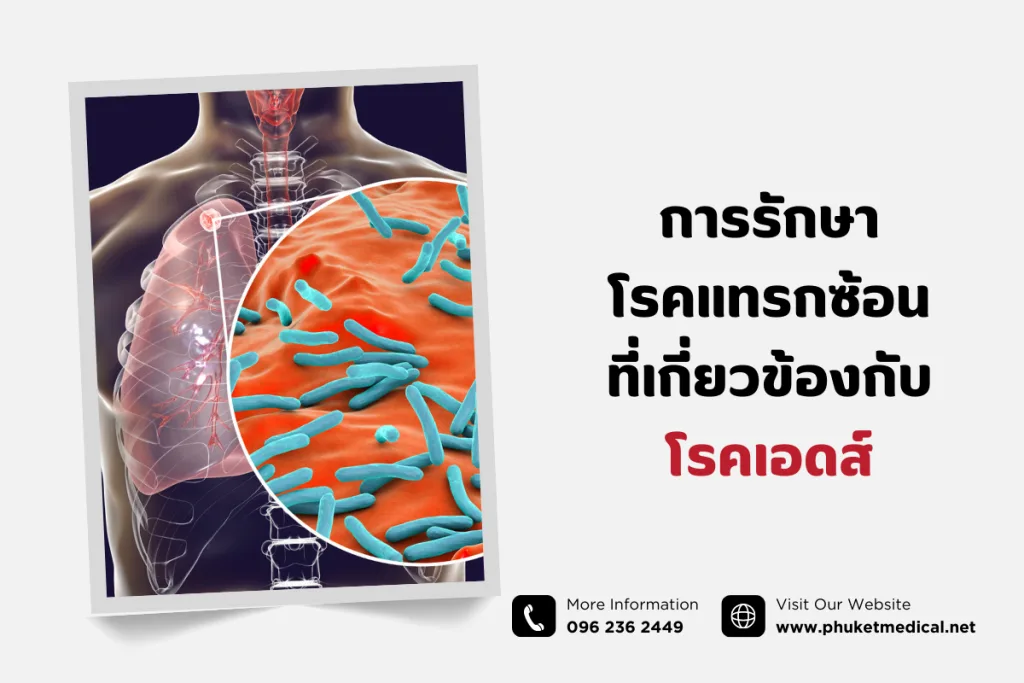
Treatment of AIDS-related complications
When a patient’s immune system is weakened, complications may occur that require additional treatment, such as:
- Opportunistic infections
- Tuberculosis: Use anti-tuberculosis drugs such as Isoniazid and Rifampin
- Fungal infections: Use antifungal drugs such as Fluconazole or Amphotericin B
- Toxoplasmosis: Use anti-protozoal drugs such as Pyrimethamine and Sulfadiazine
- Certain cancers such as Kaposi’s Sarcoma: May be treated with chemotherapy or radiation
- Pneumocystis jirovecii (PCP) pneumonia: Use antibiotics such as Trimethoprim-Sulfamethoxazole (TMP-SMX)
- Other viral infections such as Cytomegalovirus (CMV) infection: Use Ganciclovir
Treatment and monitoring
- Viral load testing is used to assess whether the amount of virus in the blood has decreased after starting treatment.
- CD4 count is used to monitor the strength of the immune system.
- Resistance testing is used when it is suspected that the virus may have become resistant to drugs so that the appropriate medication regimen can be adjusted.
- General health check-ups are performed to check for complications and possible abnormalities, such as liver, kidney, or bone problems.
Guidelines for HIV prevention
Preventing HIV infection is an effective way to reduce the spread of the disease. Important guidelines include:
- Preventing sexually transmitted infections by using condoms every time you have sex.
- Avoiding having multiple sex partners.
- Avoiding risky sex, such as anal sex.
- Taking medication to prevent infection.
- PrEP is used in people who are not infected but are at high risk, such as partners of people who are HIV-infected.
- PEP is used within 72 hours after exposure to reduce the chance of getting HIV.
- Avoid contact with blood or bodily fluids of others, such as not sharing injection needles or using clean and sterilized equipment when piercing the skin, such as tattooing.
- Regular health check-ups, such as regular HIV testing. Especially for those with risky behaviors, blood tests before marriage or pregnancy
- Promote good health behaviors, eat healthy foods, exercise regularly, or avoid risky behaviors such as drug use.
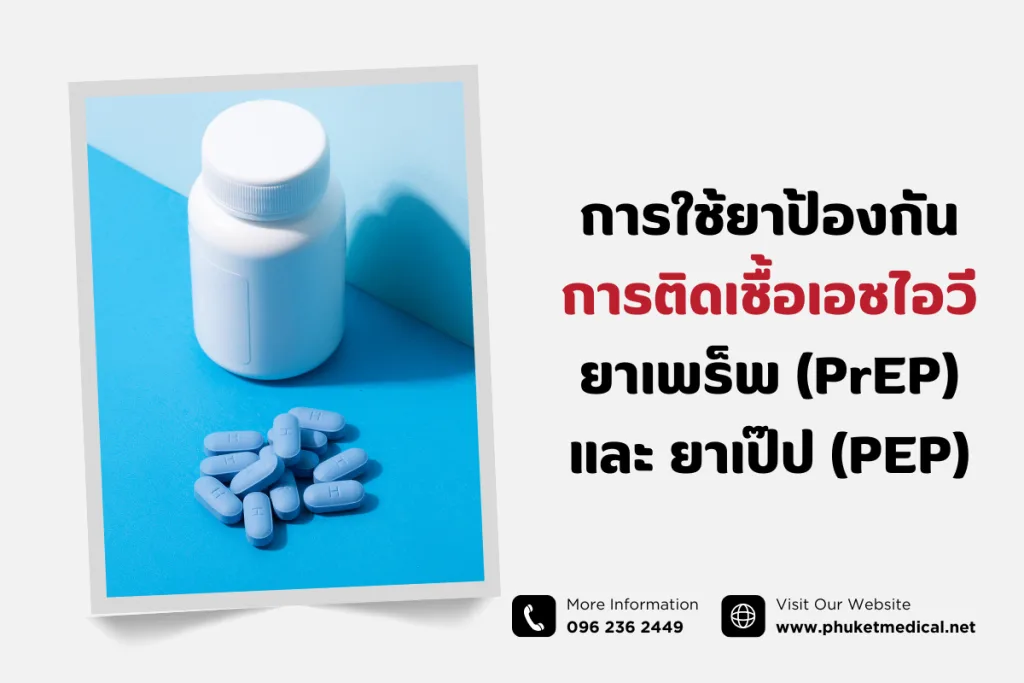
Use of HIV prevention drugs: PrEP and PEP
Currently, knowledge and medical developments regarding AIDS and HIV have progressed greatly. Although there is no cure for this disease, we can prevent HIV infection by using antiretroviral drugs, which are divided into two main groups: PrEP for pre-exposure prevention and PEP for post-exposure risk reduction. This article will help you understand the use of these drugs in detail, including the appropriate groups, side effects, and precautions.
PrEP: Pre-Exposure Prophylaxis
PrEP (PrEP = Pre-Exposure Prophylaxis) is an antiretroviral drug used for people who are not yet infected with HIV but are at high risk of infection. This drug will effectively prevent HIV infection. The drug must be taken before exposure and continuously.
- PrEP is effective in preventing infection by up to 99% if taken correctly and consistently. For those who use PrEP in conjunction with other prevention methods, such as condoms, it will greatly reduce the risk of HIV infection.
- Using PrEP This medication must be taken daily as directed by your doctor. People who use PrEP should have their blood tested every 3 months to check for HIV and monitor their health.
- Side effects of PrEP Side effects are rare and usually go away on their own during the initial course of taking the medication. These include nausea, dizziness, and headache. If symptoms are severe or do not go away, talk to your doctor.
- Who is suitable for PrEP? PrEP is not for everyone. It should be used under the guidance of a doctor, especially in the following groups:
- People who have an HIV-infected partner. It is suitable for people who are in a long-term relationship with someone who is HIV-infected to prevent the spread of the virus.
- People who have unprotected sex, such as anal or vaginal sex without a condom.
- People who have had a sexually transmitted disease, such as gonorrhea, chlamydia, or syphilis.
- People who work in the sex industry are at high risk of contracting HIV.
PEP: Post-Exposure Prophylaxis (PEP)
PEP (PEP = Post-Exposure Prophylaxis) is an antiviral medication used to reduce the risk of contracting HIV after exposure. It must be started within 72 hours (3 days) of exposure. The earlier you start, the more effective it is.
- Effectiveness of PEP PEP does not prevent HIV infection 100%, but it can significantly reduce the risk. It is highly effective when started early and taken for the full duration (28 days).
- Using PEP, this medicine must be prescribed by a doctor. Before starting to use the medicine, the doctor will test your body for HIV. PEP consists of 2-3 antiviral drugs and must be taken every day for 28 days.
- Who is suitable for PEP? PEP is suitable for people who accidentally or unprotectedly contracted HIV in the following situations:
- People who have been sexually abused, such as victims of rape who may have been exposed to HIV.
- People whose condoms have broken during sex, including cases where condoms were not used or when they slipped off during sex.
- People who share injection needles, such as sharing needles in cases of drug use.
Frequently Asked Questions About AIDS and HIV Infection
Are HIV and AIDS the same?
- HIV (Human Immunodeficiency Virus) is a virus that destroys the body’s immune system, especially CD4 white blood cells.
- AIDS (Acquired Immunodeficiency Syndrome) is the final stage of HIV infection, in which the body’s immune system is destroyed and unable to fight off other germs or infections.
Therefore, HIV infection is the cause of AIDS, but it does not mean that everyone who is infected with HIV will develop AIDS. If treated properly, people with HIV can live long and healthy lives.
How can AIDS be transmitted?
HIV can be transmitted through contact with infected bodily fluids, such as:
- Blood, sharing of injection needles
- Sexual secretions, semen, and vaginal lubricants
- Breast milk from an HIV-infected mother to her infant
HIV cannot be transmitted through general contact, such as shaking hands, hugging, or sharing items such as spoons, forks, glasses, or toilet seats.
What are PrEP and PEP?
- PrEP is an antiretroviral drug for people who are not yet infected with HIV but are at high risk, such as those who have a partner who is HIV-infected. Using PrEP consistently can prevent HIV infection by up to 99%.
- PEP is an antiretroviral drug used after exposure to HIV. It must be started within 72 hours (3 days), the sooner the better, and must be taken continuously for 28 days.
How can I protect myself from getting HIV?
- Use a condom. Using a condom every time you have sex is a highly effective method of prevention.
- Use sterile syringes. Avoid sharing syringes with others.
- Get PrEP if you are in a risk group. Using PrEP can help reduce your chances of getting HIV.
- Get regular health check-ups. Getting tested regularly for HIV helps you know your health status.
If you are infected with HIV, can you live a normal life?
Absolutely! Currently, people who are infected with HIV, if they receive antiretroviral therapy (ART) continuously and strictly, can live a long life and have a quality of life similar to that of the general population. This treatment also reduces the amount of virus in the blood to the point where it is undetectable, greatly reducing the chances of spreading the virus to others.
How should HIV-infected people be treated?
- Understand and do not stigmatize HIV-infected people. HIV-infected people are no different from other people. HIV cannot be transmitted through normal contact.
- Provide encouragement and support. Providing understanding and encouragement reduces stress and anxiety in HIV-infected people.
- Promote knowledge and help disseminate correct information about HIV and AIDS to reduce misunderstandings in society.
What should we do in society to prevent the spread of HIV?
- Promote condom use and campaign for everyone to use condoms for prevention at the source.
- Distribute knowledge and provide knowledge about AIDS and HIV in schools and communities.
- Provide accessible testing and treatment services. Providing comprehensive HIV testing and antiretroviral treatment services helps reduce the spread of infection in the long run.
Why should you get tested for HIV at Phuket Medical Clinic?
- High expertise and standards – Services provided by a team of expert doctors with modern equipment in accordance with international standards.
- Various tests – Comprehensive HIV testing services such as Rapid Test, Antigen/Antibody Test and NAT.
- Convenience and safety – Fast, private service and strict adherence to disease prevention measures.
- Comprehensive consultation – Provides pre- and post-test consultations with follow-up results. and recommend appropriate treatment
- Additional services – Prescription (PrEP) and PEP (PEP) for pre- and post-exposure prophylaxis
- Convenient location – Located in an easily accessible area, supporting both locals and tourists
- Value for money – Reasonable service fees with standard care
Choose Phuket Medical Clinic for a confident and safe HIV test every step of the way!
Read more articles
- Open your mind to HIV testing, know early, treat, prevent
- Know HIV (HIV), change your perspective to create understanding
Contact Channels
Laguna Branch
- Phuket Medical Clinic, Laguna Branch is located at 58/1, Cherngtalay Subdistrict, Thalang District, Phuket Province 83100
- Open every day, Monday – Sunday, 09.00 – 22.00 hrs.
- Inquire via Line id. @pmcphuket (with @)
- Contact number 096 236 2449
- Clinic map https://maps.app.goo.gl/SXaeLrSU9Lx47YPH6
- Book an appointment online https://pmclaguna.youcanbook.me
Branch in the city
- Phuket Medical Clinic, Phuket City Branch is located at 41/7-41/8, Talat Nuea Subdistrict, Mueang Phuket District, Phuket Province 83000
- Open every day, Monday – Sunday, 09.00 – 22.00 hrs.
- Inquire via Line id. @pmcphuket (with @)
- Contact number 096 228 2449
- Clinic map https://maps.app.goo.gl/yeU9qNArGg3qdwZw9
- Book an appointment online https://phuketmedicalclinic.youcanbook.me
Boat Lagoon Branch
- Phuket Medical Clinic Boat Lagoon Branch is located at 20/96. Moo 2, Thepkrasattri Rd., Koh Kaew Subdistrict, Mueang Phuket District, Phuket Province 83000
- Open every day, Monday – Sunday, 10.00 – 18.00 hrs.
- Inquire via Line ID. @pmcphuket (with @)
- Contact number 096 696 2449
- Clinic map https://maps.app.goo.gl/HbqfUKMEHXuKwan96
- Book an appointment online https://pmctown.youcanbook.me
AIDS and HIV are diseases that affect the body’s immune system, making the body weak and at risk of opportunistic infections. Although there is no cure for this disease, with medical advances such as the use of antiretroviral drugs or prevention with PrEP, PEP, and regular health check-ups, people living with HIV can live longer and have a quality of life close to that of normal people. In addition, creating knowledge and correct understanding in the community, as well as encouraging and supporting people living with HIV, are key to creating an equal and warm society. Treating people living with HIV with respect and understanding helps them live their lives to the fullest and reduces concerns about mental health.
Reference
- Centers for Disease Control and Prevention (CDC). HIV Basics: About HIV. Retrieved from https://www.cdc.gov/hiv/basics
- Mayo Clinic. HIV/AIDS – Symptoms and Causes. Retrieved from https://www.mayoclinic.org/diseases-conditions/hiv-aids
- World Health Organization (WHO). HIV/AIDS Fact Sheets. Retrieved from https://www.who.int/news-room/fact-sheets/detail/hiv-aids
- Love Foundation Thailand. HIV/AIDS: Prevention and Awareness in Thailand. Retrieved from https://lovefoundation.or.th/aids
- MedPark Hospital. HIV/AIDS Diagnosis and Treatment Options in Thailand. Retrieved from https://www.medparkhospital.com/disease-and-treatment/hiv-aids