
Blood testing is an important method for assessing overall health, detecting nutritional deficiencies, infections, or chronic conditions such as diabetes, high cholesterol, and anemia. If you’re in Phuket and looking for a place to get a blood test with fast and reliable service, we’re here to guide you. This article will introduce you to blood testing services available in Phuket, along with essential information about the types of blood tests you should know.
Where to get a blood test in Phuket? Choose Phuket Medical Clinic for fast, accurate, and reliable service. Take care of your health with confidence—because the best prevention is regular health check-ups.
Why should you get a blood test?
Blood testing is an important and highly effective method for analyzing your body’s overall health. It enables doctors to accurately assess health conditions, screen for diseases, diagnose illnesses, and monitor treatment outcomes. In addition, blood tests can help detect potential health issues early—especially diseases that may not show symptoms in their initial stages.
General Health Check-up
Regular health check-ups are essential as they allow you to monitor your overall health and detect risk factors that may lead to serious diseases in the future. Blood tests provide valuable health information, such as
- Fasting Blood Sugar (FBS) Used to detect high blood sugar levels, diabetes, or insulin resistance.
- Cholesterol & Triglycerides Measures levels of good cholesterol (HDL), bad cholesterol (LDL), and triglycerides—key indicators of heart disease and cardiovascular risk.
- Liver Function Test (LFT) Evaluates liver enzymes such as ALT and AST to assess conditions like liver inflammation, fatty liver, or cirrhosis.
- Kidney Function Test Measures BUN and Creatinine to assess kidney health and its ability to eliminate waste from the body.
- Complete Blood Count (CBC) Helps detect anemia, infections, or immune system-related issues.
Infectious Disease Screening
Blood tests can help detect infectious diseases that may not show symptoms in their early stages. Some infections can spread easily if not properly diagnosed and treated. These include:
- HIV Test Detects the human immunodeficiency virus (HIV), which causes AIDS.
- Hepatitis B & C Screening Identifies hepatitis B and C viruses, which affect liver function and may lead to cirrhosis or liver failure.
- Syphilis Test Screens for syphilis, a sexually transmitted infection that can cause serious complications to the nervous system and heart if left untreated.
- Gonorrhea & Chlamydia Test Detects bacterial infections that can be transmitted through sexual contact and may lead to reproductive complications.
- Tuberculosis (TB) Test Checks for tuberculosis bacteria, a highly contagious respiratory infection.
Vitamin & Mineral Test
Vitamin and mineral deficiencies can affect your overall health and immune system. Blood testing helps assess the levels of essential vitamins and minerals, such as:
- Vitamin D Test Vital for bone health and immune function. A deficiency may increase the risk of osteoporosis and weakened immunity.
- Iron Test Used to detect iron-deficiency anemia, a common cause of fatigue and weakness.
- Calcium & Magnesium Test These minerals play key roles in bone strength, muscle function, and the nervous system.
Monitoring Chronic Diseases
For individuals with chronic illnesses, blood testing is a crucial tool for tracking treatment effectiveness and adjusting care plans accordingly. Examples include:
- Diabetes patients Should monitor blood sugar levels and HbA1c to assess average glucose over the past 2–3 months.
- Hypertension patients Should check blood lipid levels and kidney function regularly.
- Liver disease patients Should routinely test liver enzyme levels and screen for hepatitis viruses.
- Heart disease patients Should monitor cholesterol, blood sugar, and inflammation-related proteins such as CRP (C-Reactive Protein).
Hormone Test
Hormones play a vital role in metabolism, mood, and various bodily functions. Hormonal imbalances can lead to symptoms such as unexplained weight gain, fatigue, hair loss, or infertility. Common hormone tests include:
- Thyroid Function Test (TSH, T3, T4) Used to assess conditions like hyperthyroidism or hypothyroidism.
- Sex Hormone Test (Testosterone & Estrogen) Detects hormonal imbalances in both males and females.
- Fertility-Related Hormones (FSH, LH, Prolactin) Helps evaluate causes of infertility and conditions like menopause.
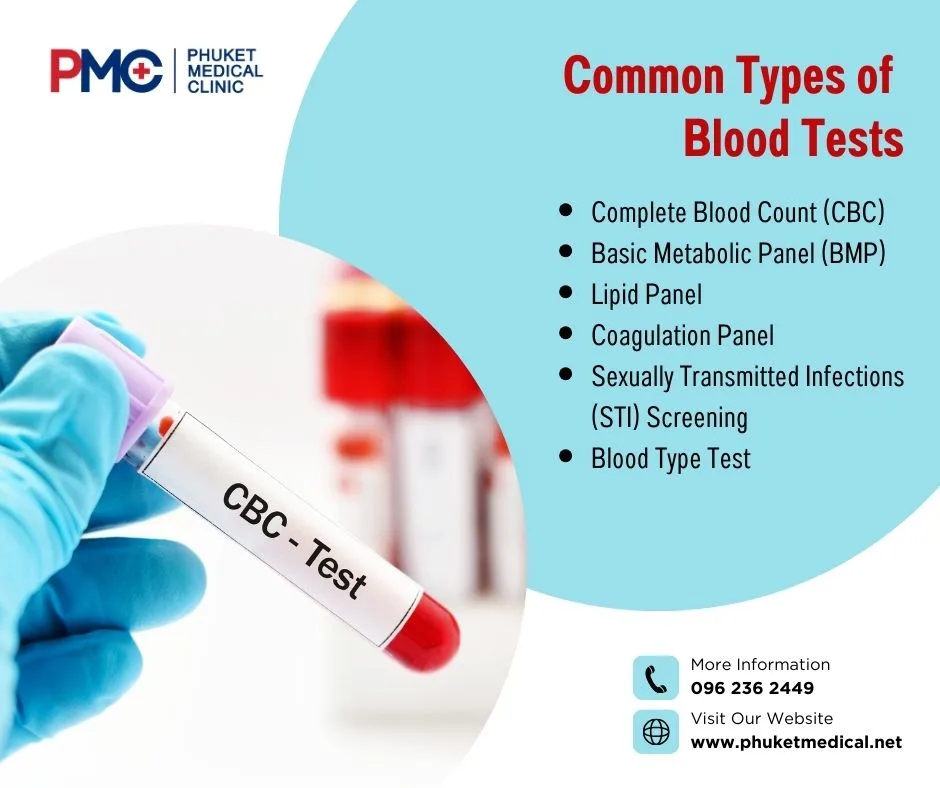
Common Types of Blood Tests
Blood testing is one of the most effective methods for diagnosing illnesses and monitoring overall health. Tests can be categorized based on their purpose, such as:
Complete Blood Count (CBC)
This is one of the most widely used tests to assess overall health and detect abnormalities in blood components, such as anemia, infections, or immune system disorders. Key components include:
- Red Blood Cell Count (RBC) Helps evaluate for anemia or oxygen deficiency in the body.
- White Blood Cell Count (WBC) Used to detect infections, inflammation, or immune-related issues.
- Hemoglobin (HGB) Measures the oxygen-carrying capacity of the blood; low levels may indicate anemia.
- Hematocrit (HCT) Indicates the proportion of red blood cells to total blood volume, useful in assessing anemia or dehydration.
- Platelet Count (PLT) Assesses bleeding or clotting disorders, such as a tendency to bruise easily or delayed blood clotting.
Basic Metabolic Panel (BMP)
The BMP test is used to assess the balance of chemicals and electrolytes in the body, as well as kidney function. It includes:
- Blood Glucose Detects high or low blood sugar levels, useful in diagnosing diabetes.
- Calcium (Ca) Evaluates mineral balance; important for muscle and bone function.
- Kidney Function (BUN & Creatinine) Screens for kidney disease or decline in kidney performance.
Electrolytes (Na, K, Cl, HCO₃) Measures sodium, potassium, chloride, and bicarbonate levels to assess fluid and electrolyte balance.
Lipid Panel
A lipid panel evaluates the levels of fats in the blood to assess cardiovascular risk, especially high cholesterol:
- Total Cholesterol Measures the overall cholesterol level.
- HDL (High-Density Lipoprotein) “Good” cholesterol that helps reduce heart disease risk.
- LDL (Low-Density Lipoprotein) “Bad” cholesterol that can lead to clogged arteries.
- Triglycerides Measures fat buildup, which increases the risk of heart disease and diabetes.
Coagulation Panel
This test evaluates blood clotting ability and is important before surgery, for individuals with bleeding disorders, or those taking anticoagulants:
- Prothrombin Time (PT) Measures how long it takes for blood to clot.
- Activated Partial Thromboplastin Time (aPTT) Detects abnormalities in the clotting process.
- International Normalized Ratio (INR) Monitors patients on blood thinners like warfarin.
Sexually Transmitted Infections (STI) Screening
STI testing is crucial for individuals with multiple partners or at sexual risk. It includes:
- HIV Test Detects the virus that causes AIDS.
- Syphilis Test Identifies a sexually transmitted infection that can affect the nervous and cardiovascular systems if untreated.
- Hepatitis B & C Test Screens for viruses that may lead to chronic liver disease.
- Gonorrhea & Chlamydia Test Detects common bacterial STIs that may cause reproductive complications.
- Herpes Simplex Virus (HSV) Test Detects the herpes virus, which can cause painful blisters and genital sores.
Blood Type Test
A basic test that determines blood group and Rh factor (Rh+ or Rh−), important for blood transfusion and pregnancy:
- ABO Blood Group (A, B, AB, O) Determines blood compatibility for transfusion.
- Rh Factor (Rh+ or Rh−) Important in pregnancy to prevent Rh incompatibility.
- Compatibility Test Ensures safe blood transfusion by matching donor and recipient blood.
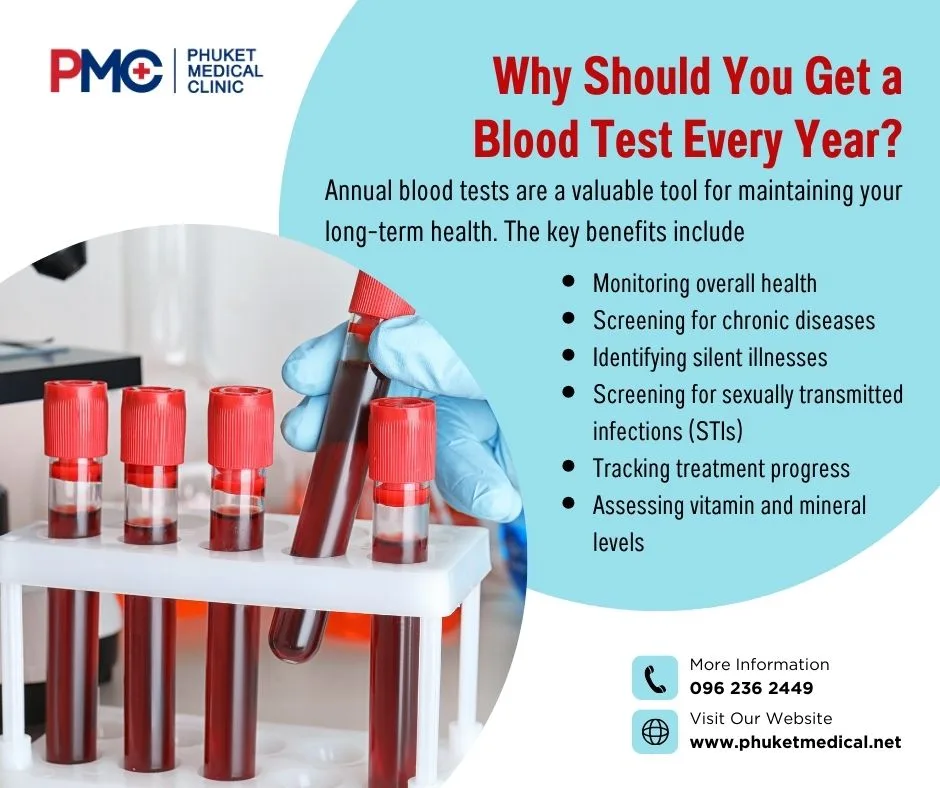
Why Should You Get a Blood Test Every Year?
Annual blood tests are a valuable tool for maintaining your long-term health. The key benefits include
- Monitoring overall health: Assess essential indicators such as blood sugar, cholesterol levels, and liver and kidney function.
- Screening for chronic diseases: Helps detect conditions like diabetes, high blood pressure, heart disease, and kidney disorders.
- Identifying silent illnesses: Some conditions show no early symptoms, such as high cholesterol or hepatitis.
- Screening for sexually transmitted infections (STIs): Recommended for individuals with risk factors to help prevent the spread of disease.
- Tracking treatment progress: For individuals with ongoing conditions like diabetes or heart disease.
- Assessing vitamin and mineral levels: Evaluates nutritional status and helps prevent deficiencies.
Who Should Get a Blood Test Every Year?
While annual blood tests are recommended for everyone, certain groups may need more frequent testing. These include:
- Individuals aged 30 and above: Risk for chronic conditions like diabetes and heart disease increases with age.
- Those with a family history of chronic diseases: Such as diabetes, heart disease, or cancer.
- People who are overweight or obese: Should monitor blood sugar, cholesterol levels, and hormone-related markers.
- Individuals with high-risk sexual behaviors: Should be screened for HIV, syphilis, and hepatitis viruses.
- Those under high stress: Should check hormone levels and blood sugar, as stress can impact overall health.
- People who frequently feel unwell or chronically fatigued: May be experiencing vitamin deficiencies or anemia.
How to Prepare for a Blood Test?
Proper preparation helps ensure accurate blood test results. Here’s how you should get ready
- Fasting for certain tests: For blood sugar and cholesterol tests, avoid food and beverages (except plain water) for at least 8–12 hours before the test.
- Inform your doctor about medications: If you’re taking any medications, supplements, or vitamins, let your doctor know in advance.
- Stay hydrated: Drinking enough water before the test can make blood draw easier.
- Avoid alcohol and smoking: Refrain from drinking alcohol and smoking at least 24 hours before the test.
Pre-Blood Test Preparation Tips
- Fast for at least 8–12 hours, especially for blood sugar and lipid tests.
- You may drink plain water to stay hydrated and make blood collection easier.
- Inform your doctor about any medications you are currently taking, as some may affect the results.
- Avoid smoking and alcohol beforehand, as they may impact your test values.
Why Get a Blood Test at Phuket Medical Clinic?
If you’re looking for a quality blood testing facility in Phuket, Phuket Medical Clinic is one of the best choices. With fast, reliable service and accurate results, this clinic is committed to your health. It offers a wide range of services, from general health check-ups and STI screening to hormone and vitamin testing.
Highlights of Blood Testing at Phuket Medical Clinic
- Comprehensive Blood Testing Services
Phuket Medical Clinic offers a wide variety of blood tests tailored to meet the needs of all patients, including:- General Health Check-up: Blood sugar, cholesterol, liver and kidney function.
- STI Screening: HIV, syphilis, gonorrhea, hepatitis B and C.
- Vitamin & Mineral Test: Checks for iron deficiency, vitamin D levels, and essential nutrients.
- Hormone Test: Thyroid, sex hormones, and fertility-related hormones.
- Express Blood Testing (Same-Day Results): Ideal for those who need fast results.
- Accurate, Fast, and Reliable Results
- Quick Turnaround: Results available within 24 hours or same-day for certain test types.
- Modern Technology: International-standard lab equipment and diagnostic tools.
- High Accuracy: Results are interpreted by experienced medical professionals.
- Privacy-Focused and Friendly Service
- Clean and Safe Environment: High hygiene standards to ensure patient safety.
- Private Consultations: Especially suitable for STI testing or sensitive conditions.
- Bilingual Support: Staff are fluent in both Thai and English, serving locals and international visitors.
- Affordable and Great Value
- Reasonable Pricing: More budget-friendly than private hospitals.
- Health Check Packages Available: Choose a package that suits your needs and budget.
- Convenient Location in the Heart of Phuket
- Central Location: Easily accessible from downtown Phuket.
- Parking Available: Convenient for visitors from both the city and nearby areas.
Why Choose Phuket Medical Clinic Over a Hospital?
- Offers a full range of blood tests for both general and specialized health concerns.
- Faster service with no long queues.
- Accurate, timely, and trusted results.
- Affordable prices, often more cost-effective than private hospitals.
- Free medical consultation included with testing.
- Ideal for those needing urgent testing or who prefer not to visit a hospital.
- Ensures high privacy standards with a friendly, welcoming environment.
- Easy access in central Phuket.
Phuket Medical Clinic is your trusted destination for fast, affordable, and private blood testing services in Phuket.
Read More Articles
- Phuket Medical Clinic – A clinic in Phuket that provides full medical services
- Why are general health screenings important for everyone?
Contact Information
Laguna Branch
Phuket Medical Clinic – Laguna Branch is located at
- 58/1, Choeng Thale Subdistrict, Thalang District, Phuket 83100
- Open daily: Monday – Sunday, 09:00 AM–10:00 PM
- Contact via Line ID: @pmcphuket (Include @)
- Phone number: 096 236 2449
- Clinic Location: https://maps.app.goo.gl/SXaeLrSU9Lx47YPH6
- Online appointment booking: https://pmclaguna.youcanbook.me
Phuket Town Branch
Phuket Medical Clinic – Phuket Town Branch is located at
- 41/7-41/8, Talat Nuea Subdistrict, Mueang Phuket District, Phuket 83000
- Open daily: Monday – Sunday, 09:00 AM–9:00 PM
- Contact via Line ID: @pmcphuket (Include @)
- Phone number: 096 228 2449
- Clinic Location: https://maps.app.goo.gl/yeU9qNArGg3qdwZw9
- Online appointment booking: https://pmctown.youcanbook.me
Circle Clock Tower Branch
Phuket Medical Clinic – Circle Clock Tower Branch is located at
- 206/8 Phuket Rd, Taladyai, Mueang Phuket District, Phuket 83000
- Open daily: Monday – Sunday, 12:00 AM – 08:00 PM
- Contact via Line ID: @pmcphuket (Include @)
- Phone number: 096 696 2449
- Clinic Location: https://maps.app.goo.gl/svPvTabmmD1DHe9v9
- Online appointment booking: https://phuketmedicalclinic.youcanbook.me
Blood testing is an essential step in healthcare. It enables accurate assessment of health status, disease screening, diagnosis of abnormalities, and monitoring of treatment outcomes. If you’re in Phuket and looking for a place that offers fast and reliable blood test services, you should choose a medical facility with expertise and comprehensive care.
Phuket Medical Clinic is one of the top choices, offering a full range of blood testing services with accurate, fast, and highly private results. It’s a more cost-effective option than private hospitals and is equipped with advanced technology and experienced medical professionals to ensure confidence in your healthcare. Regular health check-ups help prevent illness and promote long-term wellness.
References
- Centers for Disease Control and Prevention (CDC). “Understanding Blood Tests and Their Importance in Health Screening.” [Online] Available at: https://www.cdc.gov
- World Health Organization (WHO). “Laboratory Testing and Diagnosis Guidelines.” [Online] Available at: https://www.who.int
- Department of Disease Control, Ministry of Public Health (Thailand). “Guidelines for Health Check-ups and Infectious Disease Screening.” [Online] Available at: https://ddc.moph.go.th
- N Health Laboratory. “Blood Testing for Health: Services and Key Benefits.” [Online] Available at: https://www.nhealth-asia.com
- Thai Red Cross AIDS Research Centre. “HIV and STI Testing: Public Guidelines.” [Online] Available at: https://www.trcarc.org