

When it comes to sexually transmitted diseases, many people may be familiar with commonly known diseases such as HIV (AIDS), herpes, syphilis or gonorrhea. But in reality, there is another disease that should be deeply understood, which is “Chancroid”, a disease caused by a bacterial infection and can be very painful for the patient. Therefore, knowing this disease in detail, including causes, symptoms, treatment methods and prevention, is for better understanding and reducing the risk of getting the disease.

What is Chancroid?
Chancroid (or Soft Chancre) is a sexually transmitted disease that can occur in both men and women, especially in the genital area and lymph nodes in the groin. The characteristics of this disease are sores that often have uneven edges, deep bottoms, and are very painful. They often occur in several sores in the same area, which greatly affects the health and quality of life of the patient.
Groups at high risk of contracting this disease include:
- People who have multiple partners or change partners frequently
- People who use sex services
- People who live in high-risk areas such as the Caribbean and Africa
- People who have sex without using condoms
- People who have anal sex
- People who live in areas with poor sanitation, such as countries with poor public health systems
Causes of Chancroid
Chancroid is caused by infection with the bacterium Haemophilus ducreyi, a gram-negative bacterium that is commonly found in areas with low humidity and sanitation. This bacterium can enter the body through abrasions. Or small wounds on the skin, especially in areas that are rubbed or injured, such as the genitals and groin.
Characteristics of Haemophilus ducreyi bacteria
- It is a bacterium that produces toxins (HdCDT), which cause inflammation and wounds in the infected area.
- It usually lives in fluids, such as pus that occurs from wounds.
- The infection can be easily transmitted during direct contact or sexual intercourse.

Symptoms of Chancre
Chancre shows the following observable symptoms:
- Sore characteristics
- The size of the sore is between 3 millimeters and 5 centimeters, and in some cases, it can be as large as 2 inches.
- The center of the sore is usually gray or yellowish gray.
- The edges of the sore are not smooth, the bottom of the sore is soft, and can be clearly seen with the naked eye.
- Location of the sore
- The sore usually occurs on the genitals, such as the foreskin, testicles (in men).
- In women, it may occur in the outer labia, cervix, groin, or anus.
- If the sore comes into contact with something or is rubbed, it may bleed easily.
- Associated symptoms
- Swollen groin or swollen lymph nodes that turn into abscesses.
- Feeling severe burning pain, especially during urination or sexual intercourse.
Incubation period of Chancre
The incubation period of Chancre takes about 4-7 days after exposure to the infection. It may occur a little earlier or later (about 3-10 days). Symptoms during this period are as follows:
- In men, small red bumps usually appear on the genitals, such as the foreskin or scrotum. Within 48 hours after the appearance of the bump, the bump will develop into a painful sore.
- In women, small red bumps usually occur in groups (about 4 or more) on the outer labia, thighs, or anus. The bumps will swell and become sores that are painful and burning, especially during urination or defecation. In addition, some women may have a strong-smelling vaginal discharge.
What is the difference between chancre in men and women?
The symptoms of chancre in men and women are slightly different.
Men
- Small red bumps usually appear on the foreskin or scrotum.
- The sores are usually in a single spot and when the sores swell, they feel very painful and burning.
Women
- Red bumps tend to be more numerous and can occur on the outer labia, inner labia, or cervix.
- Women are usually less painful, but if left untreated You may become an infectious agent without realizing it.
Complications of Chancroid
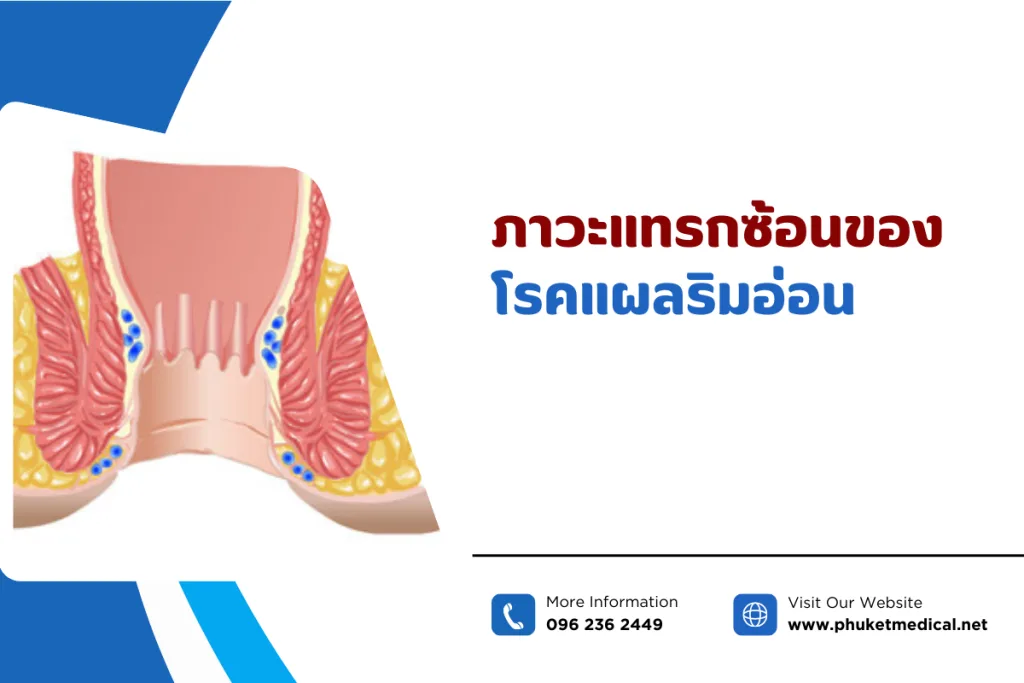
- Fistula Formation Chancre can cause a continuous pus-filled tube. This tube is the result of a connection between an infected or wounded genital organ, such as:
- Vaginal to anus In women with an infection in the genital area and a vaginal wound, it may connect to the anus, causing pus or fluid to flow from the vagina to the anus.
- Urethral Fistula A connection between the urethra and the skin, causing fluid or pus to flow from the urethra at all times.
- Risk of HIV infection
- Having an open wound from chancre causes the skin or mucous membranes to come into direct contact with foreign germs, such as the human immunodeficiency virus (HIV), which increases the chances of infection many times over.
- In addition, chancre also increases the risk of contracting other sexually transmitted diseases, such as syphilis, gonorrhea, non-gonococcal urethritis, and hepatitis.
- Scars and scars around the genitals
- Leaving chancre to become chronic or not treated properly can cause the wound to heal and then develop scars or scars around the genitals.
- A sore or scar can affect the movement of the penis, such as phimosis, or a sore that causes a deformity of the penis, which can affect sexual function and quality of life.
- Inflamed and ruptured lymph nodes. The lymph nodes in the groin area may become inflamed, swollen, and develop into abscesses. If left untreated, the lymph nodes in the groin may rupture and drain pus, which is a painful condition and increases the risk of other bacterial infections.
- Penile amniocentesis (Hydrocele) In severe and chronic cases, a partial loss of the penis, known as hydrocele, can result in permanent deformity of the penis, including damage to its appearance and function.
Is Chancroid dangerous?
Chancre can be painful and has the following health implications:
- Secondary infection. Other bacteria or viruses can enter the wound and cause further infection.
- Severe complications
- Risk of urethral fistula
- Scarring or scarring of the foreskin may develop.
- Inguinal lymph nodes may rupture and become painful.
- If left untreated, chancre can cause and cause the genitals to become blocked or deformed
Diagnosis and examination of chancre
- General history taking and physical examination The doctor will start by taking the patient’s history, such as sexual history, history of changing sexual partners, including examining external symptoms, such as the characteristics of the wound in the genital area, lymph nodes in the groin, or other related symptoms.
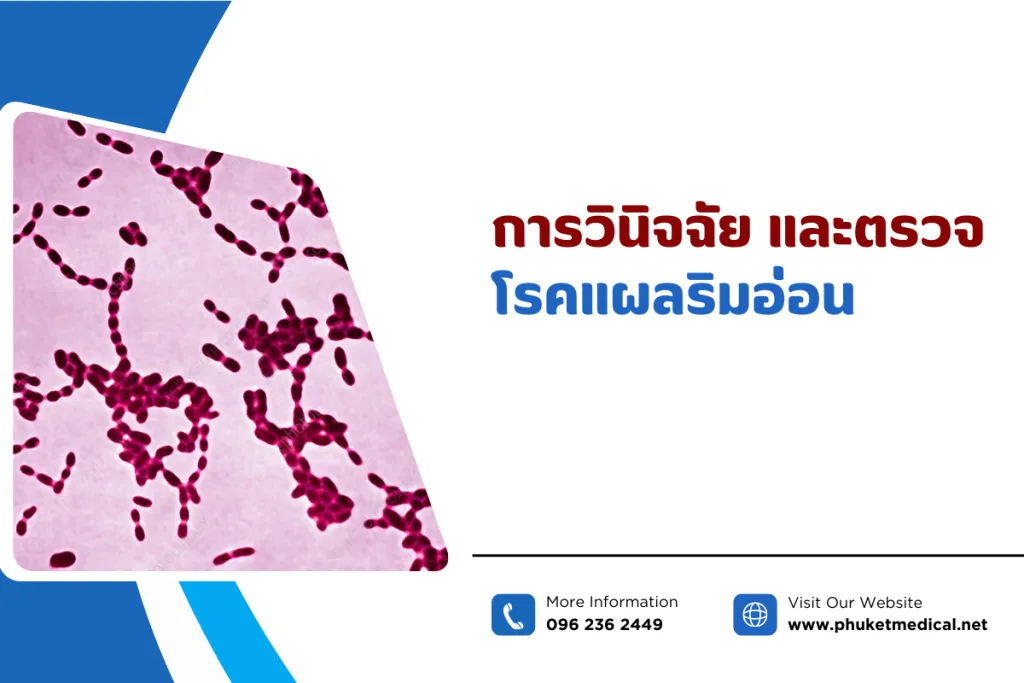
- Collecting a sample of fluid from the wound and staining it (Gram Stain)
- Procedure: The doctor will collect a sample of fluid from the wound or secretions, such as vaginal discharge or pus, from the affected area and then stain it with a specific substance to check for bacteria under a microscope.
- Advantages: It is a method that is fast, inexpensive, and suitable for preliminary examination.
- Limitations: It requires a lot of doctor’s expertise because sometimes the sample may not have enough bacteria or the examination is not detailed, so the bacteria may not be found.
- Bacterial Culture
- Procedure: The fluid or tissue sample will be sent to be cultured in a nutrient medium specifically for bacteria. Then, the type of bacteria and the resistance of the bacteria will be examined.
- Advantages: Provides detailed information about the type of bacteria and their sensitivity to antibiotics.
- Limitations: It takes several days to culture the bacteria. And the sample must be stored in a suitable environment.
- PCR (Polymerase Chain Reaction) test
- Procedure: Collect samples from wounds or secretions, such as vaginal discharge, and then test for bacterial or viral DNA fragments using the PCR method.
- Advantages:
- High accuracy
- Can detect multiple pathogens at once
- Samples can be stored for up to 14 days without affecting the test results
- Limitations: More expensive than other methods and may not be convenient for those who do not have equipment or home test kits.

Treatment of chancre
- Surgery Surgery is a treatment method used in cases where chancre has spread to the point of causing an abscess or a large wound, especially in patients with swollen lymph nodes and severe inflammation that has turned into an abscess in the groin. Surgery or the use of a syringe to drain the pus will help reduce swelling, reduce pain, and prevent the wound from spreading.
- Treatment Duration: Recovery may take about 1-3 months.
- Caution: Surgery may cause scarring, so the wound should be cared for properly after surgery according to the doctor’s instructions.
- Antibiotics Antibiotics are a treatment that doctors often use to fight the bacteria Haemophilus ducreyi, which causes the disease. Antibiotics help eliminate the infection from the body and prevent recurrence.
- Common antibiotics used
- Azithromycin: 1 gram, taken as a single dose
- Ceftriaxone: 250 milligrams, injected into the muscle as a single dose
- Ciprofloxacin: 500 milligrams, taken twice daily for 3 days
- Erythromycin: 500 milligrams, taken three times daily for 7 days
- Properties of the drug
- Helps eliminate bacteria
- Relieves pain And inflammation around the wound
- Reduce scars and help the wound heal better
- Common antibiotics used
Prevention of chancre
Prevention is the best way to avoid chancre. You can do this as follows:
- Wear a condom every time you have sex. Condoms are the most effective way to prevent sexually transmitted diseases if used correctly and consistently.
- Avoid having frequent sex partners. Having multiple partners increases the chances of contracting sexually transmitted diseases, including chancre.
- Abstain from sex when you find a wound on your genitals. If you find a wound or an abnormality, you should stop having sex immediately and consult a doctor for examination and treatment.
- Maintain cleanliness of your genitals and personal hygiene. Taking care of and cleaning your genitals and avoiding direct contact with the wound will help reduce the chances of infection.

Frequently Asked Questions About Chancre
Is Chancre Scary?
Chancre is considered scary in terms of its pain and impact on quality of life. It can also lead to complications such as other bacterial infections or scarring. Although it is curable, in some cases, it can leave scars.
Does Chancre heal on its own?
Chancre can heal on its own in about 2 weeks, but during that time, patients will have to endure pain and discomfort. If not properly treated, re-infection or serious complications can occur. Therefore, it is best to see a doctor for treatment.
How long does it take to heal?
Antibiotic treatment for chancre can improve the condition within 3-7 days. For large ulcers or patients with severe symptoms, it may take about 2 weeks to heal, depending on the physical condition and response to treatment.
Check and treat Chancre at Phuket Medical Clinic, Laguna Branch
Phuket Medical Clinic, Laguna Branch provides comprehensive diagnosis and treatment for Chancre with a team of expert doctors and modern equipment. Diagnosis is accurate using methods such as culture and PCR testing to identify the type of pathogen. Treatment includes antibiotics to eliminate the bacteria. And surgery in cases of advanced symptoms, such as lymph node inflammation.
The clinic also provides advice on self-care after treatment, such as wound cleaning and preventing re-infection, to help patients recover quickly and reduce the chance of recurrence in the future.
Read more articles
- Syphilis: Causes, Symptoms, Treatment and Prevention
- Gonorrhea: Knowledge about causes, symptoms, treatment and prevention
Contact Channels
Laguna Branch
- Phuket Medical Clinic, Laguna Branch is located at 58/1, Cherngtalay Subdistrict, Thalang District, Phuket Province 83100
- Open every day, Monday – Sunday, 09.00 – 22.00 hrs.
- Inquire via Line id. @pmcphuket (with @)
- Contact number 096 236 2449
- Clinic map https://maps.app.goo.gl/SXaeLrSU9Lx47YPH6
- Book an appointment online https://pmclaguna.youcanbook.me
Branch in the city
- Phuket Medical Clinic, Phuket City Branch is located at 41/7-41/8, Talat Nuea Subdistrict, Mueang Phuket District, Phuket Province 83000
- Open every day, Monday – Sunday, 09.00 – 22.00 hrs.
- Inquire via Line id. @pmcphuket (with @)
- Contact number 096 228 2449
- Clinic map https://maps.app.goo.gl/yeU9qNArGg3qdwZw9
- Book an appointment online https://phuketmedicalclinic.youcanbook.me
Boat Lagoon Branch
- Phuket Medical Clinic Boat Lagoon Branch is located at 20/96. Moo 2, Thepkrasattri Rd., Koh Kaew Subdistrict, Mueang Phuket District, Phuket Province 83000
- Open every day, Monday – Sunday, 10.00 – 18.00 hrs.
- Inquire via Line ID. @pmcphuket (with @)
- Contact number 096 696 2449
- Clinic map https://maps.app.goo.gl/HbqfUKMEHXuKwan96
- Book an appointment online https://pmctown.youcanbook.me
Chancroid is a painful sexually transmitted disease that can have serious health consequences if left untreated. Being aware of the symptoms and incubation period of the disease, as well as practicing good hygiene and using condoms can effectively reduce the risk of infection. If you suspect that you have chancroid, see your doctor as soon as possible for a proper diagnosis and treatment.
Reference
- Centers for Disease Control and Prevention (CDC). Chancroid – Symptoms, Diagnosis, and Treatment. Comprehensive guidelines on managing chancroid. [ออนไลน์] เข้าถึงได้จาก https://www.cdc.gov/std/treatment-guidelines/chancroid.htm
- World Health Organization (WHO). Guidelines for the Management of Sexually Transmitted Infections. Comprehensive strategies for prevention and treatment. [ออนไลน์] เข้าถึงได้จาก https://www.who.int/health-topics/sexually-transmitted-infections
- กระทรวงสาธารณสุขแห่งประเทศไทย. แนวทางการป้องกัน และรักษาโรคแผลริมอ่อน. เว็บไซต์ กรมควบคุมโรค กระทรวงสาธารณสุข. [ออนไลน์] เข้าถึงได้จาก https://ddc.moph.go.th
- สถาบันบำราศนราดูร. ข้อมูลการรักษาโรคแผลริมอ่อน และโรคติดต่อทางเพศสัมพันธ์. [ออนไลน์] เข้าถึงได้จาก https://www.bamras.org
- สมาคมโรคติดต่อทางเพศสัมพันธ์แห่งประเทศไทย. คำแนะนำการตรวจ และรักษาโรคแผลริมอ่อนในประเทศไทย. [ออนไลน์] เข้าถึงได้จาก https://www.thai-dsti.org