
Phuket, a city nestled by the sea with hot and humid weather during the summer, is a destination that attracts both tourists and locals alike. However, this intense heat and humidity not only create fun and refreshing experiences by the sea but also contribute to the development of various diseases that may affect our health in the long term. Therefore, we will introduce the serious illnesses that commonly occur during Phuket’s summer, along with detailed prevention and coping strategies, to help you and your family maintain good health every day.
“In Phuket’s summer, the heat may be a hidden enemy, but knowledge and prevention are your strongest shield. Take care of your health today for a brighter tomorrow.”
Dengue Fever
- Cause
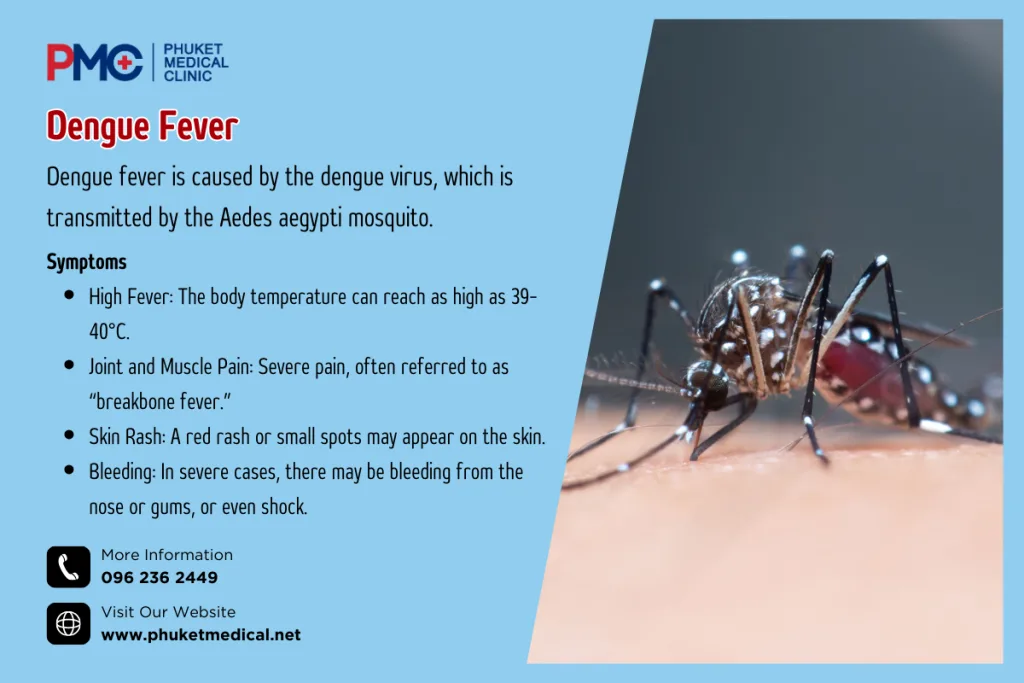
Dengue fever is caused by the dengue virus, which is transmitted by the Aedes aegypti mosquito. This mosquito prefers hot and humid environments. For example, in Phuket, the hot, humid climate along with stagnant water—ideal for mosquito breeding—significantly increases the risk of contracting the disease. - Symptoms
- High Fever: The body temperature can reach as high as 39–40°C.
- Joint and Muscle Pain: Severe pain, often referred to as “breakbone fever.”
- Skin Rash: A red rash or small spots may appear on the skin.
- Bleeding: In severe cases, there may be bleeding from the nose or gums, or even shock.
- Treatment
- Immediate Care: There is no specific antiviral medication for dengue fever, so treatment focuses on alleviating symptoms. This includes providing fluids, controlling fever, and supporting the blood system.
- Hospitalization: Patients with severe symptoms or complications may require hospitalization to manage shock and ensure proper blood circulation.
- Prevention
- Use Mosquito Repellents: Apply products such as mosquito coils or sprays before leaving home.
- Eliminate Breeding Sites: Regularly inspect and remove stagnant water from containers that could serve as mosquito breeding grounds.
- Wear Protective Clothing: When outdoors during peak mosquito activity times (e.g., early morning and evening), wear clothing that covers as much of the body as possible.
Leptospirosis
- Cause
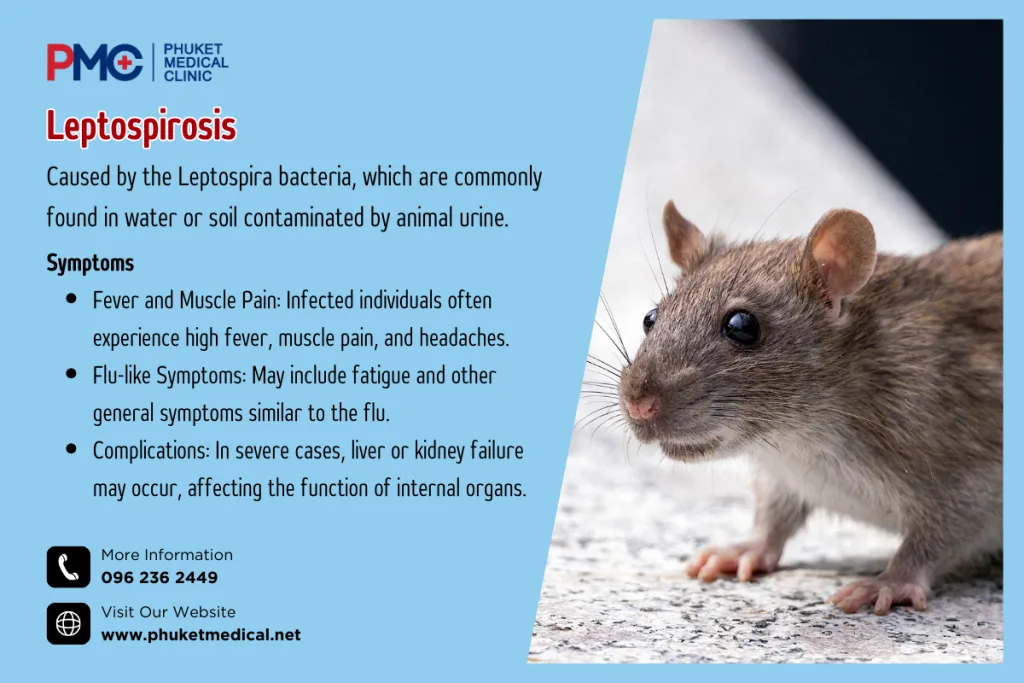
- Bacterial Infection: Caused by the Leptospira bacteria, which are commonly found in water or soil contaminated by animal urine.
- Climate Conditions: In Phuket, the hot season and rainy season with flooding are major risk factors that facilitate the spread of the bacteria.
- Symptoms
- Fever and Muscle Pain: Infected individuals often experience high fever, muscle pain, and headaches.
- Flu-like Symptoms: May include fatigue and other general symptoms similar to the flu.
- Complications: In severe cases, liver or kidney failure may occur, affecting the function of internal organs.
- Treatment
- Antibiotics: Medications such as Doxycycline or Penicillin help reduce the spread of the bacteria.
- Fluid Therapy: Administration of fluids and electrolytes through intravenous methods to restore the body’s balance.
- Hospital Care: Patients with complications require close monitoring and treatment in a hospital setting.
- Prevention
- Avoid Exposure: Steer clear of water or soil that might be contaminated, especially in flood-prone areas.
- Wear Protective Gear: Use protective footwear and clothing that covers the body when in high-risk areas.
- Maintain Cleanliness: Keep personal belongings and living spaces clean to prevent contamination.
Heat Stroke
- Cause
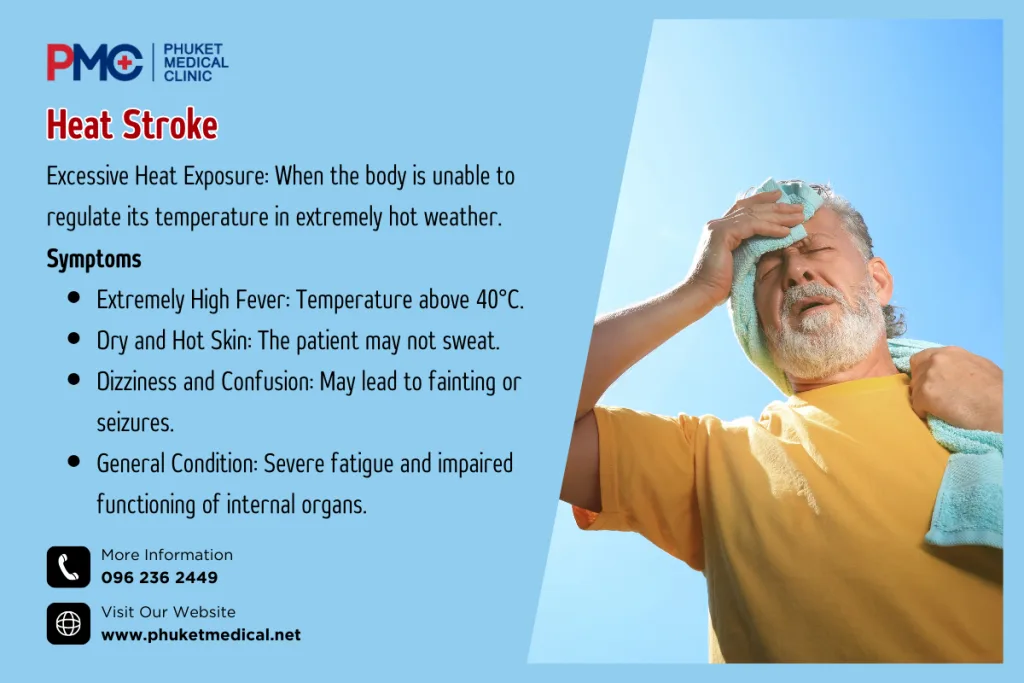
- Excessive Heat Exposure: When the body is unable to regulate its temperature in extremely hot weather.
- Dehydration: Excessive fluid loss from heavy sweating during the summer disrupts the body’s ability to control temperature.
- Intense Outdoor Activity: Exercising or working outdoors during periods of strong sunlight.
- Symptoms
- Extremely High Fever: Temperature above 40°C.
- Dry and Hot Skin: The patient may not sweat.
- Dizziness and Confusion: May lead to fainting or seizures.
- General Condition: Severe fatigue and impaired functioning of internal organs.
- Treatment
- Relocate to a Cool Place: Immediately stop heat exposure by moving to a shaded or well-ventilated area.
- Cooling the Body: Use cold water or cold compresses to lower body temperature.
- Medical Care: Hospital treatment, including fluid administration and close monitoring of body temperature.
- Prevention
- Stay Hydrated: Drink water regularly to prevent dehydration.
- Avoid Direct Sunlight: Stay in the shade or use air conditioning during the hottest parts of the day.
- Wear Breathable Clothing: Helps reduce heat buildup in the body.
Effects of Sunlight
- Cause
- Exposure to UV Radiation: Sunlight containing UV rays can damage skin cells and DNA.
- Direct Exposure: Not using sunscreen or protective gear directly exposes the skin to the harmful effects of sunlight.
- Symptoms
- Sunburn and Redness: Signs include sunburn, red skin, or marks caused by excessive sun exposure.
- Premature Wrinkles: Continuous exposure to sunlight may accelerate skin aging.
- Increased Risk of Skin Cancer: Long-term exposure to sunlight raises the chances of developing skin cancer.
- Eye Effects: May cause eye irritation and increase the risk of future eye diseases.
- Treatment
- Managing Sunburn: Use soothing creams and lotions to alleviate burn symptoms and reduce inflammation.
- Eye Care: If experiencing eye irritation, use artificial tears or consult a doctor.
- Professional Consultation: For long-term skin issues caused by sunlight, consult a dermatologist.
- Prevention
- Use Sunscreen: Apply sunscreen with an SPF of 30 or higher on all exposed areas.
- Wear Protective Gear: Use a hat and sunglasses to shield the face and eyes from UV radiation.
- Avoid Peak Sunlight Hours: Stay out of direct sunlight during the times of day when the sun is strongest (e.g., 10:00–16:00).
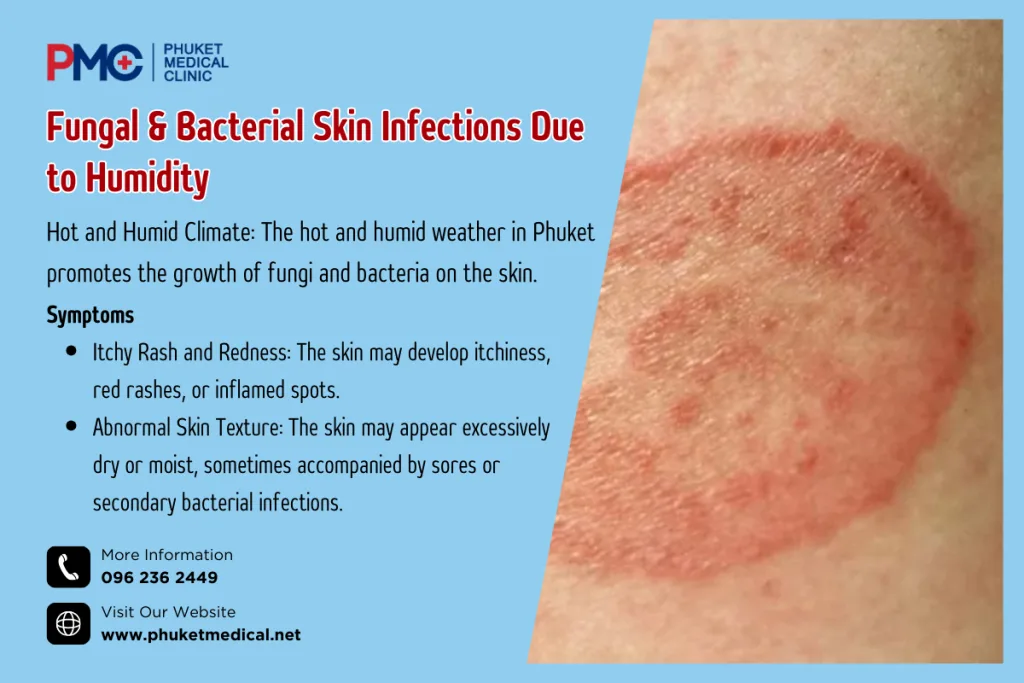
Fungal & Bacterial Skin Infections Due to Humidity
- Cause
- Hot and Humid Climate: The hot and humid weather in Phuket promotes the growth of fungi and bacteria on the skin.
- Moisture Retention: Prolonged skin dampness from sweat or failure to dry off after bathing can increase the risk of infection.
- Symptoms
- Itchy Rash and Redness: The skin may develop itchiness, red rashes, or inflamed spots.
- Abnormal Skin Texture: The skin may appear excessively dry or moist, sometimes accompanied by sores or secondary bacterial infections.
- Treatment
- Antifungal Medications: Use creams or sprays with antifungal properties to treat rashes and reduce itching.
- Antibiotics: If a bacterial infection is present, antibiotics should be used as prescribed by a doctor.
- Skin Care: Maintain proper hygiene and provide special care to the affected area to promote faster recovery.
- Prevention
- Maintain Cleanliness: Bathe regularly and dry the body thoroughly after bathing.
- Wear Breathable Clothing: Choose clothes made from natural fabrics such as cotton, which help reduce moisture buildup.
- Use Skin Care Products: Apply products that help reduce moisture or have antifungal properties on high-risk areas.
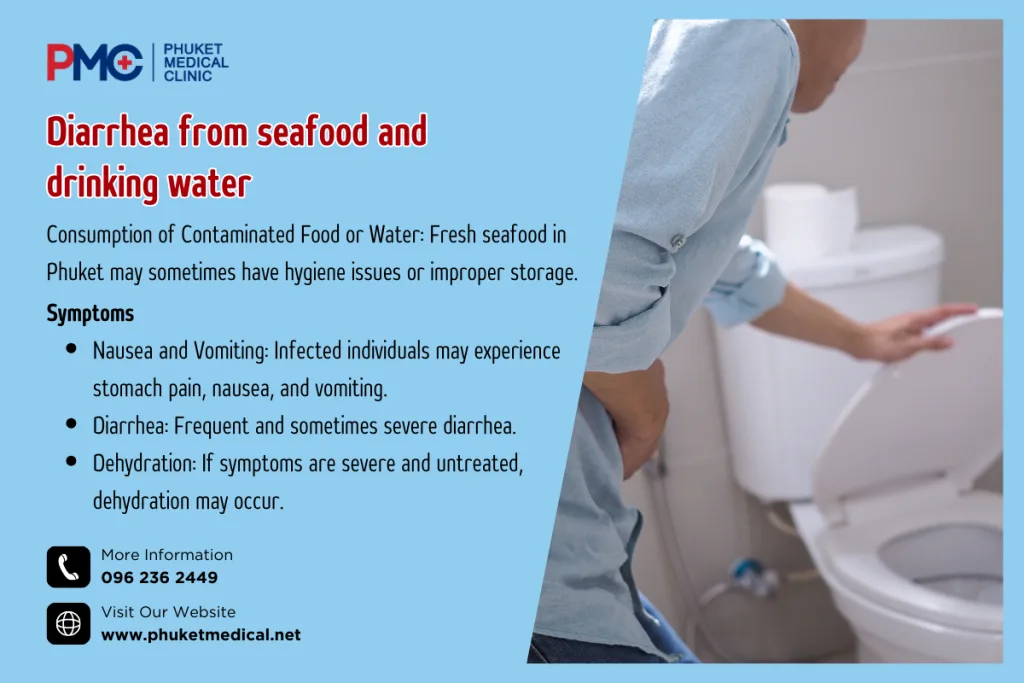
Diarrhea from seafood and drinking water
- Cause
- Consumption of Contaminated Food or Water: Fresh seafood in Phuket may sometimes have hygiene issues or improper storage.
- Pathogen Contamination: Drinking water that has not been sterilized or food prepared under unsanitary conditions can lead to infections caused by certain bacteria or viruses.
- Symptoms
- Nausea and Vomiting: Infected individuals may experience stomach pain, nausea, and vomiting.
- Diarrhea: Frequent and sometimes severe diarrhea.
- Dehydration: If symptoms are severe and untreated, dehydration may occur.
- Treatment
- Fluid Therapy: Encourage patients to drink enough water and fluids to prevent dehydration.
- Pain Relievers and Anti-inflammatory Drugs: Used in some cases to relieve symptoms.
- Medication: In cases of severe infection, antibiotics or antiviral drugs may be necessary, as prescribed by a doctor.
- Prevention
- Choose Food from Reliable Sources: Ensure the cleanliness and safety of the food consumed.
- Drink Sterilized Water: Choose bottled water or water that has been tested for safety.
- Maintain Personal Hygiene: Wash hands regularly before eating and after using the restroom.
Health Check-ups and General Diseases at PMC Phuket Medical Clinic
At PMC Phuket Medical Clinic, comprehensive annual health check-ups and general disease diagnoses are provided to help you understand your physical condition and assess the risk of diseases that may arise in daily life. The key services include:
- Annual Health Check-ups
Blood tests, blood pressure measurements, blood sugar level assessments, and overall health evaluations to monitor chronic diseases such as diabetes and hypertension. - Diagnosis of Gastrointestinal and Respiratory Diseases
Diagnosis and treatment of diarrhea, abdominal pain, or respiratory infections that may result from weather conditions or contaminated food. - Sexually Transmitted Disease (STD) Screenings
Counseling and diagnosis of reproductive system-related diseases for both men and women, along with appropriate prevention and treatment guidelines. - Health and Lifestyle Counseling
Nutrition, exercise, and lifestyle modification advice to promote good health throughout the year.
Regular health check-ups and early disease diagnosis increase the chances of making lifestyle adjustments and receiving appropriate treatment before diseases develop into future complications.
Why Choose PMC Phuket Medical Clinic?
- Expert Medical Team: Treatment provided by specialists, particularly in allergy-related diseases.
- Advanced Technology: Accurate diagnostic equipment and methods ensure effective treatment.
- Convenient and Fast Service: Online appointment booking is available to reduce waiting times.
- Clean and Safe Environment: International standards of cleanliness and safety are maintained.
- Comprehensive Care: From diagnosis and treatment to long-term follow-up care.
Read More Articles
- Health Tips for Travelers Tips for Safe and Healthy Travel
- Foreign Patient Care Center at Phuket Medical Clinic, Laguna Branch
Contact Information
Laguna Branch
Phuket Medical Clinic – Laguna Branch is located at
- 58/1, Choeng Thale Subdistrict, Thalang District, Phuket 83100
- Open daily: Monday – Sunday, 09:00 AM–10:00 PM
- Contact via Line ID: @pmcphuket (Include @)
- Phone number: 096 236 2449
- Clinic Location: https://maps.app.goo.gl/SXaeLrSU9Lx47YPH6
- Online appointment booking: https://pmclaguna.youcanbook.me
Phuket Town Branch
Phuket Medical Clinic – Phuket Town Branch is located at
- 41/7-41/8, Talat Nuea Subdistrict, Mueang Phuket District, Phuket 83000
- Open daily: Monday – Sunday, 09:00 AM–9:00 PM
- Contact via Line ID: @pmcphuket (Include @)
- Phone number: 096 228 2449
- Clinic Location: https://maps.app.goo.gl/yeU9qNArGg3qdwZw9
- Online appointment booking: https://phuketmedicalclinic.youcanbook.me
Boat Lagoon Branch
Phuket Medical Clinic – Boat Lagoon Branch is located at
- 20/96, Moo 2, Thepkrasattri Road, Ko Kaeo Subdistrict, Mueang Phuket District, Phuket 83000
- Open daily: Monday – Sunday, 10:00 AM – 06:00 PM
- Contact via Line ID: @pmcphuket (Include @)
- Phone number: 096 696 2449
- Clinic Location: https://maps.app.goo.gl/HbqfUKMEHXuKwan96
- Online appointment booking: https://pmctown.youcanbook.me
The hot and humid summer climate in Phuket increases the risk of various diseases, including viral infections like dengue fever and heat stroke, moisture-related skin infections, and diarrhea caused by contaminated food and water. Understanding the causes, symptoms, treatments, and preventive measures for each condition is essential for maintaining your health during the summer season.
By following preventive guidelines such as staying hydrated, avoiding direct sunlight during peak hours, using mosquito repellents and sunscreen, and maintaining personal hygiene, you can effectively reduce the risk of illness and protect yourself from health problems that may impact your life.
Be vigilant for warning signs of illness and consult a healthcare professional immediately if you experience any unusual symptoms. This will help ensure that you and your loved ones stay healthy throughout the year and can enjoy Phuket’s summer season safely and happily.
References
- World Health Organization (WHO). Dengue and Severe Dengue.
Detailed facts and global data on dengue and severe dengue, including prevention strategies. [Online] Available from: https://www.who.int/news-room/fact-sheets/detail/dengue-and-severe-dengue - Centers for Disease Control and Prevention (CDC). Leptospirosis.
Provides information on the causes, symptoms, treatment, and prevention of leptospirosis. [Online] Available from: https://www.cdc.gov/leptospirosis/index.html - MedlinePlus. Foodborne Illness.
An overview of foodborne and waterborne illnesses, including causes, symptoms, and prevention strategies. [Online] Available from: https://medlineplus.gov/foodborneillness.html - Ministry of Public Health of Thailand. Department of Disease Control Website.
Provides basic information on infectious diseases and prevention guidelines in Thailand, particularly in hot and humid climates. [Online] Available from: http://www.ddc.moph.go.th/ - Thai Health Promotion Foundation. Summer Health Information.
- A resource for health care tips during the summer and ways to reduce the risk of various diseases. [Online] Available from: https://www.thaihealth.or.th/