
Phuket Province is a top travel destination for tourists from around the world, known for its beautiful beaches, fresh seafood, and a wide range of activities. However, sometimes travel plans don’t go as smoothly as hoped—health issues like colds, feeling unwell, or experiencing diarrhea can arise. These illnesses can be caused by a variety of factors, including weather, food, drinking water, or infections from the environment.
Causes of Diarrhea
Diarrhea is a common issue among travelers, especially in popular tourist spots like Phuket, where the wide variety of food and a new environment differ from what tourists are used to. The main causes of diarrhea can generally be divided into four key factors:
1. Food and Drinking Water
One of the most common causes of diarrhea in travelers is consuming contaminated food or water. These may be tainted with pathogens such as bacteria, viruses, or parasites.
- Foods that may cause diarrhea:
- Raw or undercooked seafood, such as raw oysters or fresh squid
- Street food that may not be cooked at a high enough temperature
- Food left out at room temperature for too long, such as buffet items or dishes sold at night markets
- Drinking water that may cause diarrhea:
- Tap water that hasn’t been properly filtered
- Ice made from unclean water
- Juices or drinks made with contaminated water
- Examples of pathogens found in food and water:
- E. coli – often found in food contaminated by fecal matter
- Salmonella – commonly found in raw eggs, raw chicken, or undercooked seafood
- Shigella – spreads through contaminated food or water and may cause severe diarrhea
- Vibrio cholerae (Cholera) – found in contaminated water or seafood
- Norovirus – found in food that has been handled with unclean hands
- How to Avoid Diarrhea
- Choose freshly cooked food and avoid raw dishes
- Drink only from sealed bottles and avoid ice from questionable sources
- Wash your hands with soap before eating
- These precautions can help ensure your trip to Phuket remains enjoyable and illness-free.
2. Infections from Bacteria, Viruses, or Parasites
Travelers visiting Phuket may come into contact with various pathogens from the environment—such as through food, water, air, or touching contaminated surfaces—which can lead to diarrhea.
- Common Types of Pathogens
| Type of Pathogen | Examples | Mode of Transmission |
| Bacteria | E. coli, Salmonella, Shigella | Contaminated food and water |
| Viruses | Norovirus, Rotavirus | Contact with contaminated food or surfaces |
| Parasites | Giardia, Entamoeba histolytica | Drinking unclean water |
- Symptoms Caused by These Pathogens
- Severe diarrhea, possibly with mucus or blood
- Nausea and vomiting
- Abdominal pain or cramps
- High fever and chills
- Prevention Tips
- Avoid eating food from unreliable or unhygienic sources
- Wash your hands before eating and after using the restroom
- Use alcohol-based hand sanitizer when clean water is unavailable
3. Changes in Diet and Environment
- Dietary Changes That May Trigger Diarrhea
- Strongly flavored, spicy, or high-fat foods
- Foods with unfamiliar spices or ingredients
- High-fiber foods, such as large amounts of raw vegetables
- Environmental Changes
- Phuket’s hot and humid climate can cause food to spoil more quickly
- The digestive system may need time to adjust to new local microbes
- Prevention Tips
- Gradually adapt to local foods instead of making sudden dietary changes
- Avoid overly spicy or greasy foods
4. Stress and Food Allergies
- Travel-Related Stress
- Jet lag may disrupt normal digestive function
- Exhaustion from travel can weaken the immune system
- Food Allergies and Diarrhea
- Lactose intolerance: Can cause diarrhea from milk consumption
- Seafood allergies: Some individuals may experience severe reactions, including nausea, vomiting, and diarrhea
- Irritable Bowel Syndrome (IBS): Triggered by certain foods like coffee or alcohol
- Prevention Tips
- Avoid foods you know you’re allergic to
- Stay hydrated and get enough rest
- Use antihistamines or anti-diarrheal medications if needed
Diarrhea Symptoms You Should Watch Out For
Diarrhea is a common health problem, especially among travelers who visit places with different environmental conditions, food, or drinking water quality from what they are used to. While most cases of diarrhea are mild and resolve on their own within 1–2 days, some symptoms can be warning signs of more serious conditions that require prompt medical attention.
Common Diarrhea Symptoms
General diarrhea is often caused by irritation or infection in the digestive system and can result from various factors such as food poisoning, gastrointestinal viruses, or travel-related stress.
Typical symptoms include
- Loose stools or more frequent bowel movements (3 or more times a day)
- Abdominal pain or cramping
- Nausea and vomiting
- Fatigue due to dehydration and loss of electrolytes
- Low-grade fever (below 38°C)
Although these symptoms are usually not serious and can subside on their own, if they last more than 2–3 days, increased caution is advised.
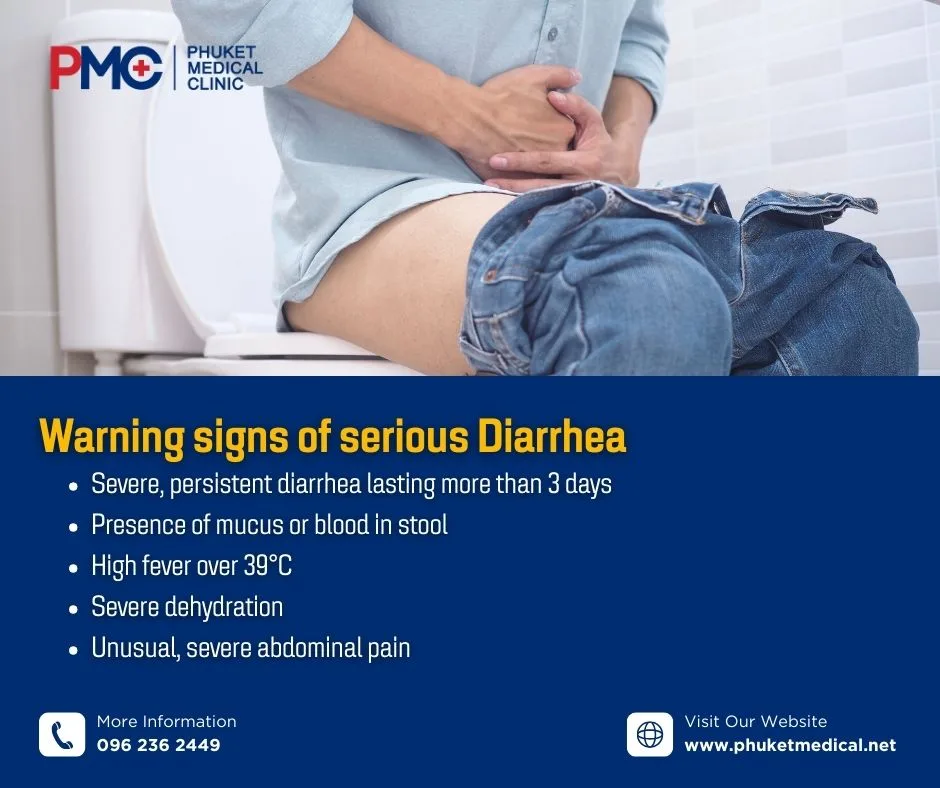
Warning Signs of Serious Diarrhea
If your diarrhea is accompanied by the following symptoms, see a doctor immediately, as they may indicate a serious infection or dangerous dehydration
- Severe, persistent diarrhea lasting more than 3 days
- Prolonged diarrhea may suggest an infection or severe inflammation of the intestines.
- This is particularly dangerous for children, the elderly, and those with underlying health conditions.
- Seek medical attention if symptoms persist for more than 72 hours.
- Presence of mucus or blood in stool
- May signal a serious bacterial infection such as Salmonella, Shigella, or E. coli.
- Could be a symptom of Inflammatory Bowel Disease (IBD) or leaky gut syndrome.
- Yellow or green mucus in stool might indicate a parasitic infection.
- Medical consultation is urgently needed if stool contains blood or abnormal mucus.
- High fever over 39°C
- A high fever along with diarrhea may suggest a severe infection like Norovirus, Salmonella, or cholera.
- If the fever lasts over 24 hours and diarrhea does not improve, antibiotics might be required.
- If fever exceeds 39°C with severe fatigue, consult a doctor immediately.
- Severe dehydration
- Diarrhea causes the body to lose water and electrolytes. Without proper rehydration, it can lead to severe dehydration, which can be life-threatening. Signs include
- Dry mouth and cracked tongue
- Decreased or dark-colored urine
- Dizziness or lightheadedness when standing
- Rapid heartbeat
- Extreme fatigue or fainting
- Drink oral rehydration salts (ORS) and seek medical help urgently if these symptoms occur.
- Diarrhea causes the body to lose water and electrolytes. Without proper rehydration, it can lead to severe dehydration, which can be life-threatening. Signs include
- Unusual, severe abdominal pain
- If abdominal pain is intense and does not ease after a bowel movement, it could indicate
- Acute intestinal inflammation
- Appendicitis
- Intussusception (bowel telescoping) in children
- If the pain is so severe that you cannot walk or must hunch over in pain, go to the hospital immediately.
Severe Conditions That May Cause Diarrhea
While diarrhea is usually harmless, in some cases it may result from serious conditions such as
- Dysentery – bloody diarrhea caused by bacteria or amoebas
- Cholera – severe watery diarrhea caused by Vibrio cholerae
- Food poisoning – intense diarrhea and vomiting caused by bacteria like Staphylococcus aureus
- Chronic Inflammatory Bowel Disease (IBD) – such as Crohn’s Disease
Prompt diagnosis and treatment can help prevent complications and ensure a full recovery.
When Should You See a Doctor?
- Diarrhea lasting more than 3 consecutive days
- Fever higher than 39°C
- Presence of mucus or blood in the stool
- Signs of severe dehydration (dry mouth, reduced urination, rapid heartbeat)
- Abnormally severe abdominal pain
How to Care for and Treat Diarrhea While Traveling in Phuket
- Basic Self-Care
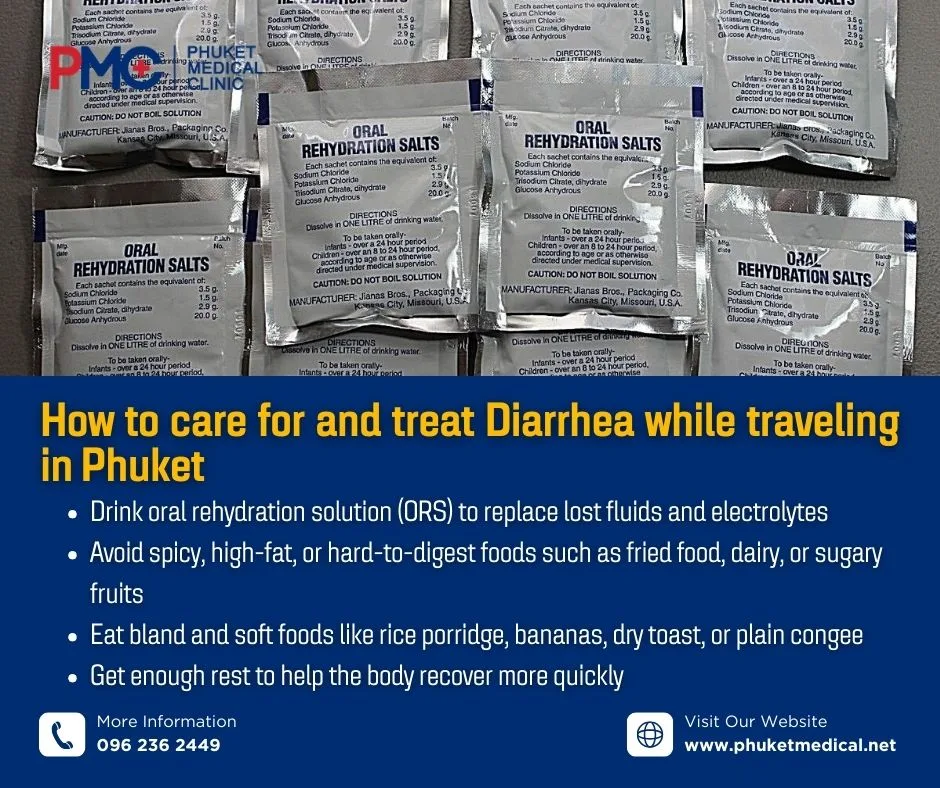
- Drink oral rehydration solution (ORS) to replace lost fluids and electrolytes
- Avoid spicy, high-fat, or hard-to-digest foods such as fried food, dairy, or sugary fruits
- Eat bland and soft foods like rice porridge, bananas, dry toast, or plain congee
- Get enough rest to help the body recover more quickly
- Medications
- ORS powder: Drink to prevent dehydration
- Anti-diarrheal medications (Loperamide, Imodium): Use only when necessary (consult a doctor beforehand)
- Antispasmodic medications like Buscopan: Help relieve cramping pain
- Antibiotics: Used only when a bacterial infection is suspected, such as Ciprofloxacin or Azithromycin (must be prescribed by a doctor)
How to Prevent Diarrhea While Visiting Phuket
- Wash hands frequently before eating and after using the bathroom
- Choose clean, freshly cooked food
- Drink bottled water with sealed caps and avoid ice from untrusted sources
- Avoid raw or undercooked food, especially seafood
- Carry basic medications such as ORS and antibiotics with you
Where to Get Diarrhea Treatment in Phuket?
If you experience diarrhea while traveling in Phuket and need medical attention, Phuket Medical Clinic is one of the convenient and reliable healthcare centers for both tourists and locals. The clinic offers comprehensive medical services with a team of experienced doctors and medical staff.
Why Choose Phuket Medical Clinic?
Phuket Medical Clinic is a reputable healthcare facility known for its medical services for travelers. Conveniently located, it provides comprehensive care for travel-related health issues, particularly diarrhea, food poisoning, and gastrointestinal infections.
- Expert Medical Team – Staffed by experienced doctors familiar with treating tourists’ emergency conditions.
- Modern Equipment and Facilities – Equipped with up-to-date medical technology for accurate diagnosis and treatment.
- Friendly and English-Speaking Staff – The team provides approachable service and can communicate in English, making it easier for foreign visitors.
- Convenient Location – Situated near Phuket’s main tourist attractions, making it easily accessible for travelers seeking care.
Services for Diarrhea Patients
- Diagnosis and Consultation by Specialists – Evaluation of symptoms to determine the cause of diarrhea, such as viral or bacterial infection, or food poisoning.
- Oral and Intravenous Rehydration Treatment – Replenishment of lost fluids and electrolytes.
- Prescription of Anti-Diarrheal and Antibiotic Medication (if necessary) – Medications to control loose stools, antibiotics for bacterial infections, and antispasmodic drugs to relieve intestinal cramps.
- Dietary and Self-Care Advice – Recommendations on suitable foods during recovery, such as soft, easily digestible meals, and advice to avoid spicy foods.
- Vaccination and Injection Services – Preventive care options for gastrointestinal diseases, such as typhoid and cholera vaccines.
If you have severe diarrhea or need additional care, don’t hesitate to visit Phuket Medical Clinic. Timely treatment can help you recover quickly and continue enjoying your Phuket trip safely!
Read More Articles
- Foreign Patient Care Center at Phuket Medical Clinic, Laguna Branch
- Common diseases that should not be overlooked.
Contact Information
Laguna Branch
Phuket Medical Clinic – Laguna Branch is located at
- 58/1, Choeng Thale Subdistrict, Thalang District, Phuket 83100
- Open daily: Monday – Sunday, 09:00 AM–10:00 PM
- Contact via Line ID: @pmcphuket (Include @)
- Phone number: 096 236 2449
- Clinic Location: https://maps.app.goo.gl/SXaeLrSU9Lx47YPH6
- Online appointment booking: https://pmclaguna.youcanbook.me
Phuket Town Branch
Phuket Medical Clinic – Phuket Town Branch is located at
- 41/7-41/8, Talat Nuea Subdistrict, Mueang Phuket District, Phuket 83000
- Open daily: Monday – Sunday, 09:00 AM–9:00 PM
- Contact via Line ID: @pmcphuket (Include @)
- Phone number: 096 228 2449
- Clinic Location: https://maps.app.goo.gl/yeU9qNArGg3qdwZw9
- Online appointment booking: https://pmctown.youcanbook.me
Circle Clock Tower Branch
Phuket Medical Clinic – Circle Clock Tower Branch is located at
- 206/8 Phuket Rd, Taladyai, Mueang Phuket District, Phuket 83000
- Open daily: Monday – Sunday, 12:00 AM – 08:00 PM
- Contact via Line ID: @pmcphuket (Include @)
- Phone number: 096 696 2449
- Clinic Location: https://maps.app.goo.gl/svPvTabmmD1DHe9v9
- Online appointment booking: https://phuketmedicalclinic.youcanbook.me
Diarrhea while visiting Phuket may result from contaminated food, drinking water, or infections—common issues among travelers. Proper self-care can help your body recover faster. Initial steps include drinking oral rehydration salts (ORS) to replace lost fluids, eating soft, easy-to-digest foods like rice porridge, bananas, or dry toast, and getting plenty of rest to allow your digestive system to heal.
If symptoms worsen—such as diarrhea lasting more than three days, blood in the stool, or high fever—you should seek medical attention immediately to prevent dehydration and complications.
The best prevention is choosing clean, freshly cooked meals, drinking safe water, and maintaining good hygiene. Stay healthy, enjoy Phuket, and avoid letting diarrhea disrupt your trip.
References
- Centers for Disease Control and Prevention (CDC). Traveler’s Diarrhea. A comprehensive guide on causes, symptoms, and prevention of travel-related diarrhea. [Online] Available at: https://wwwnc.cdc.gov/travel/page/travelers-diarrhea
- World Health Organization (WHO). Diarrhoeal disease. Overview of diarrheal diseases, risk factors, and global impact. [Online] Available at: https://www.who.int/news-room/fact-sheets/detail/diarrhoeal-disease
- Ministry of Public Health, Thailand. Diarrhea and Initial Care. Information on causes, treatments, and prevention of diarrhea in Thailand. [Online] Available at: http://www.moph.go.th
- Bamrasnaradura Infectious Diseases Institute. Guidelines for Treating Diarrhea and Dehydration. Detailed use of ORS and treatment protocols for acute diarrhea. [Online] Available at: https://www.bamras.org
- Thai PBS. “Norovirus” – A Cause of Widespread Diarrhea in Thailand and Prevention Measures. Report on Norovirus outbreaks in food and drinking water. [Online] Available at: https://www.thaipbs.or.th/news/content/328627