
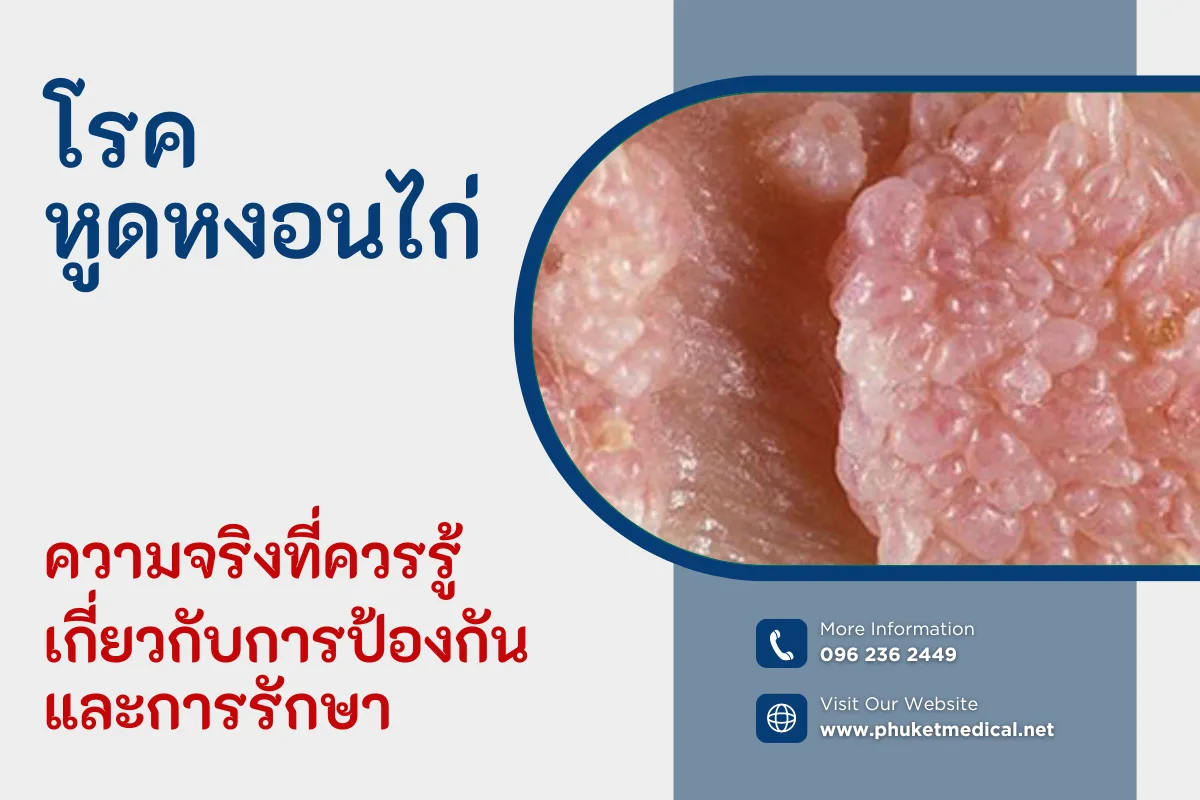
Genital warts are one of the most common sexually transmitted diseases in adults. This disease may not cause immediate severe pain, but if left untreated, it can affect both the body and mind, and even increase the risk of cancer in some cases. Understanding the causes, symptoms, prevention, and treatment of this disease is very important so that you can take care of your own health and reduce the risk of spreading the infection to others.
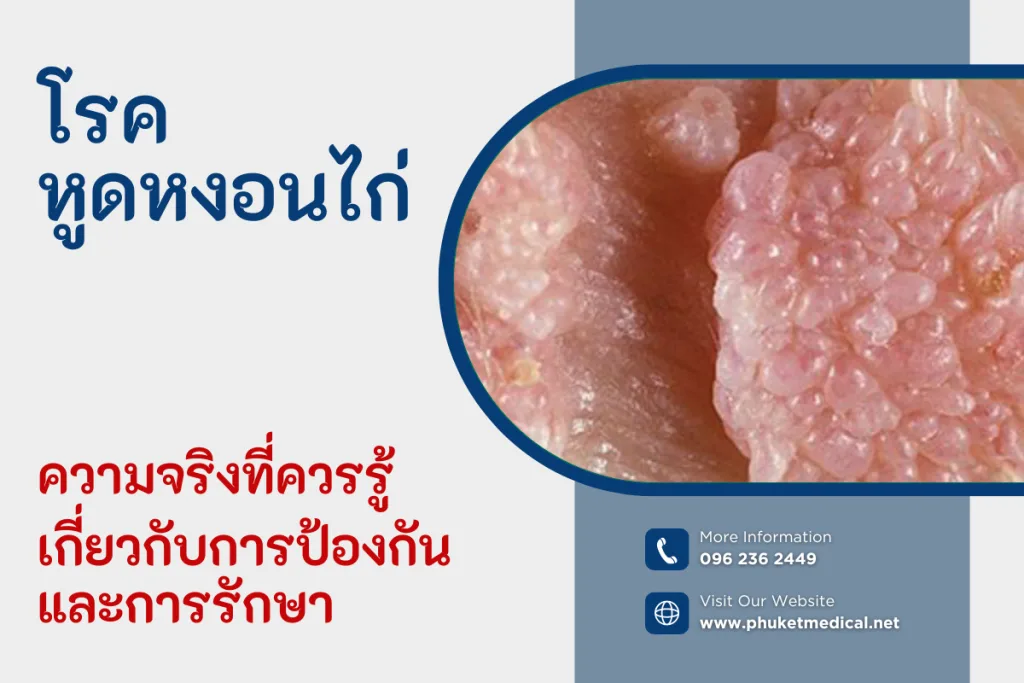
What are genital warts?
Genital warts are skin diseases caused by infection with the Human Papillomavirus (HPV). This virus stimulates skin cells in the infected area to grow abnormally, turning them into warts. Genital warts appear as skin tags or skin protrusions resembling cauliflower. They are commonly found in the genitals, anus, and cervix. In some cases, they may be found in the nasal cavity or tongue. The HPV virus that causes genital warts is usually type 6 and type 11, which are non-cancer causing. However, there are many other types of HPV that can cause cervical, oral, or anal cancer. This makes prevention and treatment of this disease very important.
Causes of genital warts
Genital warts are caused by infection with the Human Papilloma Virus (HPV), a virus that is transmitted through direct contact with infected skin or mucous membranes.
- There are many types of HPV. But the types that cause genital warts are usually types 6 and 11. However, other types of HPV, such as 16 and 18, can increase the risk of cancer in some cases.
- The HPV virus lurks in the skin of an infected person and causes abnormal growth of skin cells, which can turn into skin tags or warts.
How are genital warts transmitted?
There are several ways to contract genital warts:
- Sexual intercourse Genital warts are transmitted through sexual intercourse, whether vaginal, anal or oral, especially when unprotected, such as without using a condom.
- Direct contact Skin-to-skin contact with an infected area, such as by touching the lesion directly.
- Sharing personal items In some cases, using towels, shaving equipment or objects that have touched infected skin can lead to infection.
Symptoms of genital warts
Symptoms of genital warts often appear as follows:
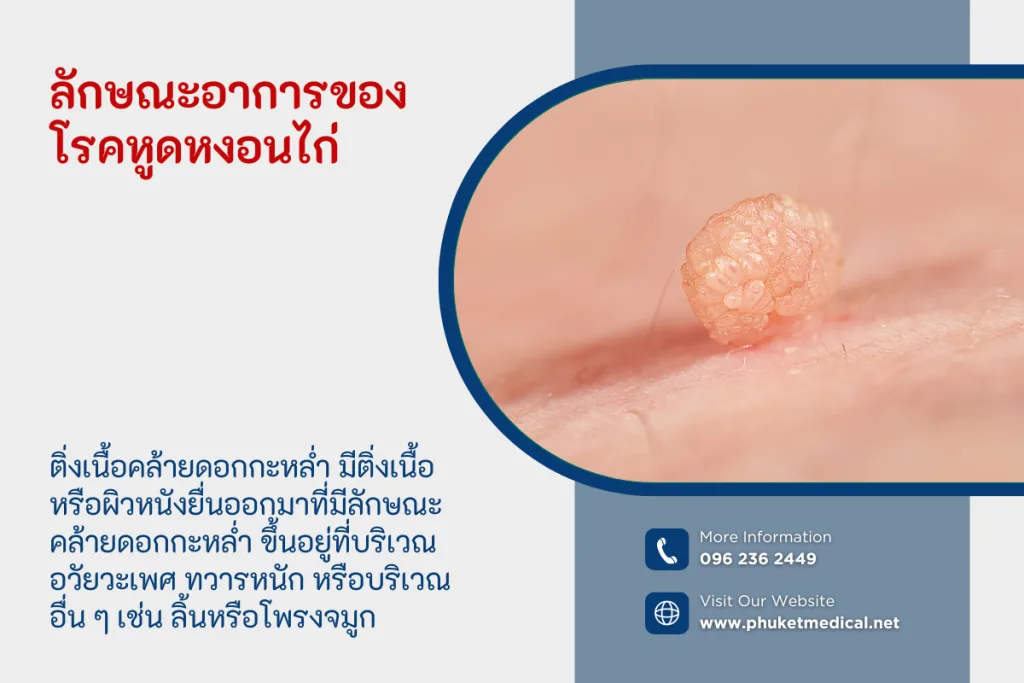
- Cauliflower-like skin tags, skin tags or skin protrusions that look like cauliflowers, on the genitals, anus, or other areas such as the tongue or nasal cavity.
- Painless The bumps are usually painless, but in some cases they can feel irritated, itchy, or stinging, especially when rubbed.
- Common locations include the penis, vulva, cervix, anus, nasal cavity, and tongue.
- In some cases, symptoms may not be obvious and can be detected during a health check.
Incubation period of genital warts
Genital warts have an incubation period of 2-3 months after infection, but in some cases, it can take up to 8 months before symptoms begin to appear, or in some cases, there may be no symptoms at all.
Genital warts: Early symptoms and risks you should know
Genital warts can occur in both men and women. The initial symptoms of the disease are similar, as follows:
- Skin tags or small bumps
- The appearance is a small skin tag or lump that often protrudes near the genitals or directly on the genitals.
- It looks like a cauliflower or small raised bumps.
- The bumps or skin tags are usually the same color as the skin or may be pink.
- Where skin tags are found
- In men: On the penis, scrotum, around the anus or at the base of the penis.
- In women: Around the vagina, vulva, cervix or anus.
- In some cases, skin tags can be found around the anus, tongue or in the mouth if there is contact with the infection in these areas.
- No pain or itching Most genital warts do not cause pain or itching. However, in some cases, if there is friction, it may cause irritation.
- Spread of symptoms If left untreated, skin tags may enlarge or increase in number, which may affect the patient’s confidence and hygiene.
Are genital warts dangerous?
The disease itself, genital warts are not considered a serious disease. But there are some things to know:
- Not serious. Most genital warts are not life-threatening. But the characteristics of the warts or lumps can be unpleasant and affect the patient’s confidence.
- In some cases, difficult treatment Even though it can be treated, the treatment of genital warts may take a long time. In some cases, it may take several months or even years to treat.
- Risk of infection Although this disease is not directly dangerous, the HPV that causes the disease may increase the risk of cancer, such as cervical cancer in women, penile cancer in men, or anal cancer.
Diagnosis of genital warts
Diagnosis of genital warts can be made by a specialist doctor using the following methods:
- History taking and physical examination
- The doctor will ask about sexual history, history of contact with infection, and the presence of warts or rashes in the genital area.
- Check the characteristics of the warts or rashes that have specific characteristics, such as resembling cauliflower.
- Additional tests
- If the characteristics of the warts are not clear, the doctor may scrape a piece of tissue for laboratory examination.
- In some cases, additional tests may be performed to find HPV or to test for other sexually transmitted diseases that may occur together.

Treatment of genital warts
There are many treatments for genital warts, which can be adjusted to suit the severity and characteristics of each individual. The general guidelines are as follows:
- Topical medications
- Apply a strong medication, such as Podophyllotoxin or Imiquimod, to the skin tag.
- The medication will help destroy infected cells and reduce the growth of the skin tag.
- Use of medication must be under the advice of a doctor, as the medication can irritate the skin.
- Cryotherapy
- Use liquid nitrogen to destroy the skin tag.
- This method is highly effective and can be done quickly, but it may be more expensive and may leave a temporary scar.
- Electrocautery or laser
- Suitable for large skin tags or areas where it is difficult to use topical medication.
- This method often requires the expertise of a doctor and may require a recovery period after treatment.
- Minor surgery
- Used for skin tags that are large or do not respond to other treatments.
- Surgery can permanently remove the skin tag.
Prevention of genital warts
Prevention of genital warts can be done by avoiding risk factors. And proper health care as follows:
- Using condoms Using condoms every time you have sex will effectively reduce the risk of HPV infection.
- HPV vaccination The HPV vaccine can prevent HPV infection with strains that are at risk of causing genital warts and some types of cancer. The vaccine should be administered before the first time you have sex for maximum effectiveness.
- Avoid direct contact Avoid touching skin tags or rashes in the infected area or wash your hands and keep your genitals clean.
- Regular health check-ups Regular sexual health check-ups will help detect diseases in the early stages and provide appropriate treatment.
- Taking care of your health, being healthy, and having good immunity will reduce the chances of infection and recurrence.
Genital wart examination and treatment at Phuket Medical Clinic, Laguna Branch
Phuket Medical Clinic, Laguna Branch provides comprehensive genital wart examination and treatment services with high standards, as follows:
- A team of expert doctors, a team of doctors with experience in professionally caring for patients with sexually transmitted diseases.
- Fast and private service Convenient and fast service that maintains the confidentiality of service recipients.
- Modern technology uses equipment and techniques that meet international standards.
- Personalized advice Provides personalized advice on infection prevention. And long-term health care
Phuket Medical Clinic Laguna Branch is ready to take care of your health with reliable standards and comprehensive treatment. If you suspect that you may have symptoms of genital warts or have additional questions, you can contact us for consultation and appointment immediately for proper health care!
Read more articles
- Herpes: Causes, Symptoms, Treatment and Prevention
- What is non-gonococcal urethritis? How is it different from gonorrhea? And can it be cured?
Contact Channels
Laguna Branch
- Phuket Medical Clinic, Laguna Branch is located at 58/1, Cherngtalay Subdistrict, Thalang District, Phuket Province 83100
- Open every day, Monday – Sunday, 09.00 – 22.00 hrs.
- Inquire via Line id. @pmcphuket (with @)
- Contact number 096 236 2449
- Clinic map https://maps.app.goo.gl/SXaeLrSU9Lx47YPH6
- Book an appointment online https://pmclaguna.youcanbook.me
Branch in the city
- Phuket Medical Clinic, Phuket City Branch is located at 41/7-41/8, Talat Nuea Subdistrict, Mueang Phuket District, Phuket Province 83000
- Open every day, Monday – Sunday, 09.00 – 22.00 hrs.
- Inquire via Line id. @pmcphuket (with @)
- Contact number 096 228 2449
- Clinic map https://maps.app.goo.gl/yeU9qNArGg3qdwZw9
- Book an appointment online https://phuketmedicalclinic.youcanbook.me
Boat Lagoon Branch
- Phuket Medical Clinic Boat Lagoon Branch is located at 20/96. Moo 2, Thepkrasattri Rd., Koh Kaew Subdistrict, Mueang Phuket District, Phuket Province 83000
- Open every day, Monday – Sunday, 10.00 – 18.00 hrs.
- Inquire via Line ID. @pmcphuket (with @)
- Contact number 096 696 2449
- Clinic map https://maps.app.goo.gl/HbqfUKMEHXuKwan96
- Book an appointment online https://pmctown.youcanbook.me
Genital warts are a sexually transmitted disease that should be addressed with care. Although they are treatable, prevention is still the best way to prevent them. Being knowledgeable about their causes, symptoms, and prevention methods can help reduce your risk and promote long-term health. If you suspect you are at risk or have any associated symptoms, it is best to consult a medical professional for appropriate advice and treatment.
Reference
- Centers for Disease Control and Prevention (CDC). Genital Warts. Comprehensive information on causes, symptoms, and treatment of genital warts. [ออนไลน์] เข้าถึงได้จาก https://www.cdc.gov/std/hpv/stdfact-hpv.htm
- World Health Organization (WHO). Human papillomavirus (HPV) and cervical cancer. Guidelines on prevention and management of HPV-related diseases. [ออนไลน์] เข้าถึงได้จาก https://www.who.int/news-room/fact-sheets/detail/human-papillomavirus-(hpv)-and-cervical-cancer
- กระทรวงสาธารณสุขแห่งประเทศไทย. เว็บไซต์ กรมควบคุมโรค กระทรวงสาธารณสุข. ข้อมูลเกี่ยวกับโรคหูดหงอนไก่และการป้องกัน. [ออนไลน์] เข้าถึงได้จาก http://www.ddc.moph.go.th
- สถาบันบำราศนราดูร. ข้อมูลการตรวจวินิจฉัยและการรักษาโรคหูดหงอนไก่ในประเทศไทย. [ออนไลน์] เข้าถึงได้จาก https://www.bamras.org
- มูลนิธิเอดส์แห่งประเทศไทย (Thai Red Cross AIDS Research Centre). HPV-related diseases and prevention in Thailand. [ออนไลน์] เข้าถึงได้จาก https://www.trcarc.org