

Gonorrhea infection is one of the common sexually transmitted diseases found in all age groups, especially those who have sex without using condoms or have multiple partners. This disease is caused by infection with the bacteria Neisseria gonorrhoeae, which can be easily transmitted through direct contact with secretions of patients, whether from the genitals, anus or mouth. Gonorrhea is a major public health problem that should be given importance because it can affect health in the long term if not treated properly.

What is Gonorrhea?
Gonorrhea is one of the most common sexually transmitted diseases. It is caused by the bacteria Neisseria gonorrhoeae. This bacteria can be easily spread through sexual intercourse, whether vaginal, oral or anal.
Gonorrhea is very important for health because some infected people may not have symptoms, causing them to spread the infection without realizing it. And if the infection is left untreated, it can lead to serious complications, such as infertility or infections in other organs.
Causes of Gonorrhea
The cause of Gonorrhea is the bacteria Neisseria gonorrhoeae, also known as “gonococcus”, which has the following characteristics:
- Characteristics of the bacteria The bacteria are shaped like coffee beans and can be found in semen and vaginal fluid. The bacteria grow well in moist and warm areas, such as the human reproductive system.
- Areas where the bacteria can grow include the cervix, uterus and fallopian tube in women, the urethra in men and women, or other areas such as the anus, conjunctiva, mouth and throat.
- Infection through the mucous membranes Infection can occur through contact with infected mucous membranes, such as the vagina, anus, or mouth, even before sexual intercourse or ejaculation.
Symptoms of Gonorrhea
Gonorrhea is a sexually transmitted disease that presents itself differently in men and women. Symptoms vary depending on the site of infection and how long after exposure to the virus occurs. Symptoms typically appear within 1 to 3 days after exposure in men and about 10 days in women.
Symptoms of Gonorrhea in Men
Men who are infected with Gonorrhea tend to show symptoms more clearly and quickly than women. Common symptoms include:
- Fluid or pus from the urethra, a white or thick mucus discharge from the urethra, and swelling or redness around the opening of the urethra.
- Pain or irritation, aching or hard to urinate, and a sore throat, dry throat, or pain when swallowing.
- Associated symptoms include body aches, fatigue, and in some cases, fever.
- Spread of Infection If the infection spreads, there may be pain and swelling in the testicles, which can affect the reproductive system, leading to long-term infertility.
Symptoms of Gonorrhea in Women
In women, the symptoms of Gonorrhea are usually less pronounced than in men. Infected women often have no symptoms at first, or their symptoms may resemble other diseases in the reproductive system. Common symptoms include:
- Abnormal discharge: Discharge from the vagina, which may be unusual, such as a change in color or smell.
- Pain or irritation, difficulty urinating, or a burning sensation while urinating, and pain in the pelvic area, especially during intercourse.
- Symptoms in other systems: If the infection occurs in the rectum, there may be an abnormal discharge from the rectum, and symptoms such as a sore throat or dry throat, similar to symptoms of a respiratory infection.
- Infection spreads: If left untreated, the infection can spread to the uterus, fallopian tubes, and ovaries, which can cause pelvic inflammatory disease (PID), increasing the risk of infertility or ectopic pregnancy.
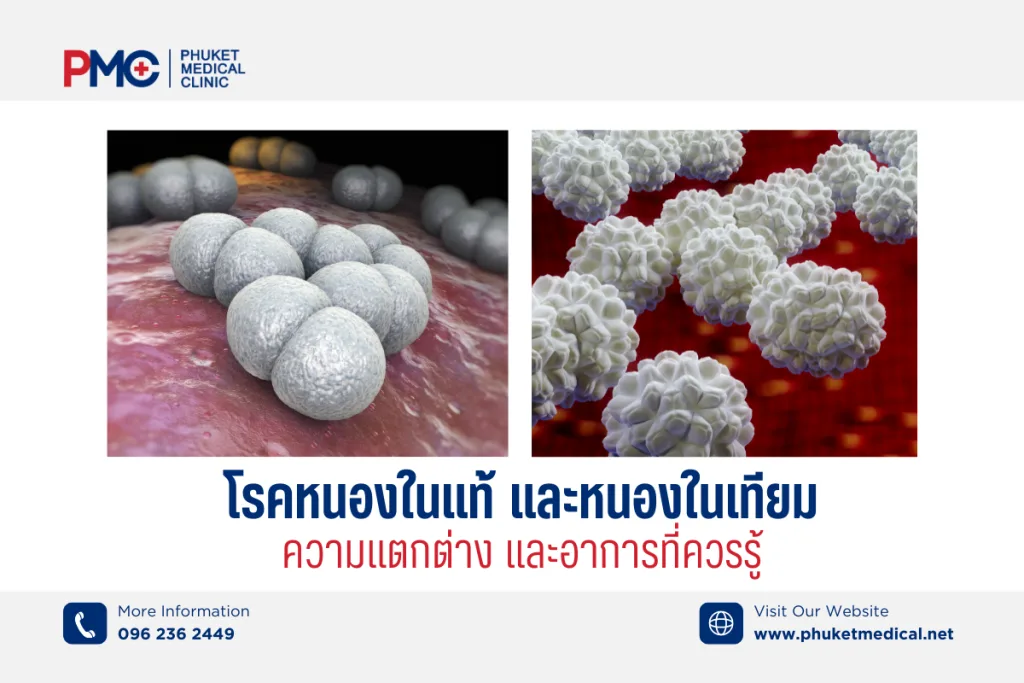
Gonorrhea and Non-Gonorrhea: Differences and Symptoms You Should Know
Gonorrhea and non-gonorrhea are common sexually transmitted diseases in Thailand. Both diseases have similar symptoms, but are caused by different pathogens. They differ in terms of transmission and symptoms. Understanding the characteristics of these diseases will help you prevent and treat them appropriately.
Gonorrhea
- Causes: Caused by the bacteria Neisseria gonorrhoeae, which can enter the body through soft mucous membranes, such as:
- Urethra in men
- Cervix or urethra in women
- Infection can occur through sexual intercourse in all forms, including vaginal, anal, and oral sex. The incubation period is generally 1-14 days, but most symptoms will start to appear within 3-5 days.
- Transmission
- Unprotected sex
- Contact with infected fluids, such as semen or vaginal fluid
- Infection from mother to child during childbirth
- Symptoms of Gonorrhea
- In men
- Burning urination, irritation of the urethra
- Thick yellow or green pus flowing from the urethra
- Swelling and redness around the urethra
- If left untreated, inflammation may occur. and swelling of the testicles
- Some may also have a fever
- In women
- Abnormal vaginal discharge, which may be mucus or pus-like and has a foul odor
- Burning when urinating
- Abdominal pain or pain during intercourse
- If left untreated, the infection may spread to the uterus, fallopian tubes, or ovaries, causing pelvic inflammatory disease (PID)
- It is a cause of ectopic pregnancy or long-term infertility
- In men
Non-gonococcal urethritis
- Causes: Non-Neisseria gonorrhoeae infections, mostly (about 40%) caused by Chlamydia trachomatis. Others can be caused by fungi, protozoa, or viruses.
- Transmission
- Unprotected sex
- Than from mother to baby during childbirth
- Symptoms of non-gonococcal urethritis
- In men
- Initially, there may be a burning sensation in the urethra, a slight discharge of clear or thick mucus in the morning.
- Painful urination, irritation of the urethra.
- If left untreated, inflammation and dull pain in the perineum near the anus may occur.
- In women
- Women with non-gonococcal urethritis usually do not show obvious symptoms.
- There may be an abnormal vaginal discharge or painful urination.
- If left untreated, inflammation of the cervix or uterus may occur.
- In infants, newborns infected by their mothers may develop eye infections, such as pink eye, conjunctivitis, or in some cases, pneumonia.
- In men
The difference between gonorrhea and non-gonorrhea
| Characteristics | Gonorrhea | Non-gonorrhea |
| Cause | Neisseria gonorrhoeae | Chlamydia trachomatis other |
| Transmission | Sexual intercourse / mother to child | Sexual intercourse / mother to child |
| Symptoms in men | Yellow or green thick pus from the urethra | Clear or slightly thick mucus in the morning |
| Symptoms in women | Abnormal vaginal discharge, lower abdominal pain | Abnormal vaginal discharge or no obvious symptoms |
| Effects in infants | Eye inflammation, pink eye | Eye inflammation or pneumonia |
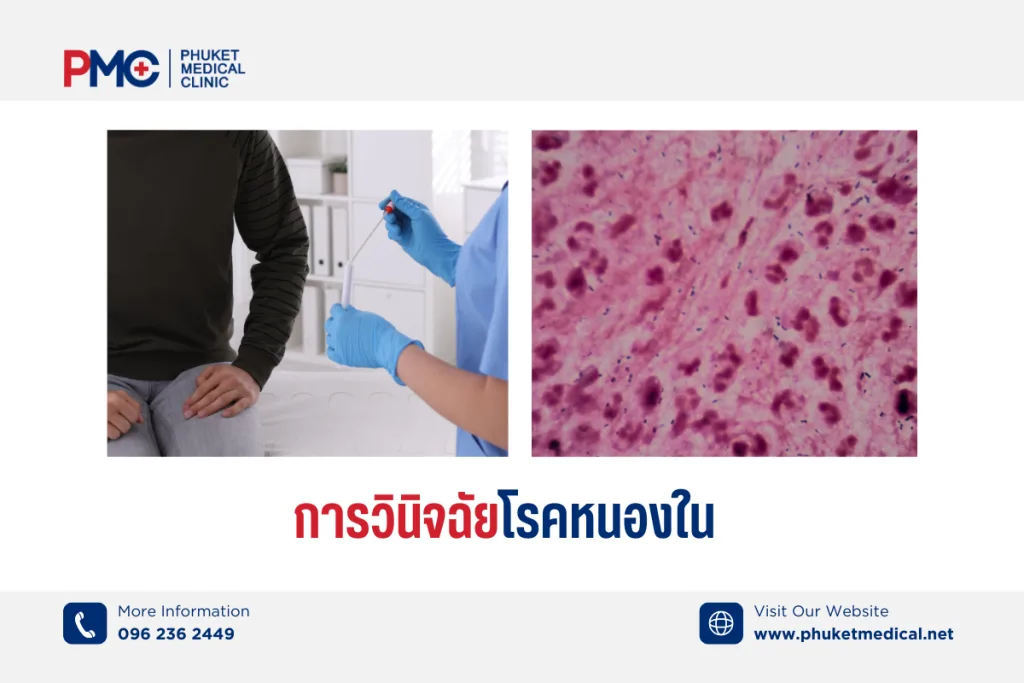
Diagnosis of gonorrhea
Diagnosis of gonorrhea is an important step in preventing the spread of the infection and reducing possible complications. If you have any unusual symptoms such as painful urination, discharge from the genitals or abnormal vaginal discharge, you should see a doctor for a diagnosis.
Diagnosing gonorrhea is appropriate for both men and women. The doctor will consider the method of examination based on the patient’s symptoms and medical history.
- Collecting a sample of secretions
- In men, the doctor will use a sterile swab to collect a sample of secretions or pus from the urethra, which is an accurate method for testing for gonorrhea (Neisseria gonorrhoeae).
- In women, the doctor will collect a sample of fluid from the vagina or cervix using a specially designed instrument to test for bacteria or microorganisms that cause the disease.
- Staining and culturing The collected sample will be sent to a laboratory for analysis.
- Gram Stain This method is used to detect bacteria, especially in the case of gonorrhea. The Gram stain can accurately distinguish Neisseria gonorrhoeae.
- Bacterial Culture: The sample is cultured in an appropriate environment to allow the bacteria to grow and confirm the type of infection.
- Special laboratory tests: In some cases, the doctor may consider using more sophisticated tests, such as:
- Bacterial DNA or RNA testing using genetic techniques such as the Nucleic Acid Amplification Test (NAAT), which can quickly and accurately detect both gonorrhea and non-gonococcal urethritis.
- Blood tests: This is used if the patient is suspected of having an infection with another sexually transmitted disease, such as syphilis or HIV.
- Other tests based on the location of the infection: If the infection is suspected in another location, such as the rectum or mouth, the doctor may collect a sample of secretions from that area for further testing.
How to treat gonorrhea
Steps to treat gonorrhea
- Using antibiotics: Your doctor will prescribe antibiotics to eliminate the germs that are causing the infection. The type of medication used will vary depending on the type of infection (gonorrhea or non-gonococcal urethritis) and the severity of the infection.
- Injected antibiotics, such as Ceftriaxone for gonorrhea
- Oral antibiotics, such as Azithromycin or Doxycycline, are often used in combination with injections in some cases or to treat non-gonococcal urethritis.
- Treatment duration Symptoms usually begin to improve within 24 hours after taking the medication. Generally, the doctor will prescribe medication for 1 week or until the symptoms improve.
- Follow-up After the treatment is complete, the doctor will recommend a repeat test to confirm that the infection has been eliminated from the body. Because repeat testing is important to prevent re-infection and reduce the risk of complications
Complications from gonorrhea
In cases where it is not treated or incompletely treated, the infection can spread and cause serious health complications for both men and women. These complications do not only affect the individual, but can also increase the risk of spreading the infection to others.
Complications that can occur in patients with gonorrhea
- Increased risk of HIV infection. Patients with gonorrhea, both men and women, are at higher risk of HIV infection or AIDS than the general population. This is because the wounds or inflammation caused by gonorrhea allow HIV to enter the bloodstream more easily.
- Spreading the infection into the bloodstream If gonorrhea spreads into the bloodstream, it can cause gonococcal septicemia, or bloodstream infection, which is a serious condition and can be life-threatening.
Complications specific to women
- Pelvic inflammatory disease (PID) Gonorrhea can spread to the uterus, fallopian tubes, and ovaries, causing pelvic inflammation, which can lead to infertility or blocked fallopian tubes.
- Ectopic pregnancy Ectopic pregnancy is a life-threatening complication caused by a fertilized egg implanting outside the uterus, such as in a fallopian tube, which may occur due to a blocked fallopian tube due to chronic inflammation from gonorrhea.
- Adenoma in the lower abdomen Some women who are not treated for gonorrhea may develop adenoma in the lower abdomen, along with lower abdominal pain, fever, and may require surgery.
Complications specific to men
- Epididymitis Gonorrhea can spread to the spermatic cord, causing inflammation, which can cause swelling and pain in the testicles. If left untreated, it can lead to infertility.
- Prostate infection Gonorrhea can cause pain in the perineum and groin, difficulty urinating, or pain during urination.
- Spread of infection to bones and joints In some cases, gonorrhea can spread to joints and bones, causing gonococcal arthritis, which often causes swelling, redness, and warmth in the joints.
Complications in newborns
- Eye infections Newborns born vaginally to mothers infected with gonorrhea are at risk of developing eye infections, which can cause red eyes, inflammation, or even loss of vision.
- Respiratory tract infections: In rare cases, gonorrhea can cause pneumonia in infants, which requires immediate treatment.
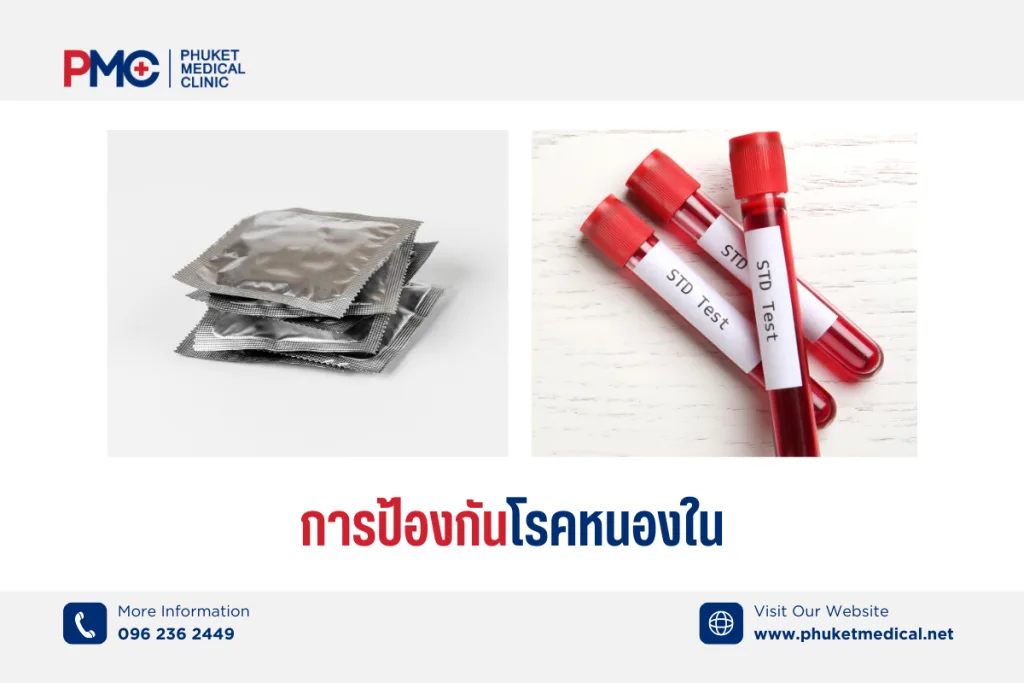
Prevention of gonorrhea
- Avoid contact with infected people. Avoid having sex or close contact with people who are suspected of being infected or people who have abnormal symptoms, such as pus flowing from the genitals. The infection can occur from oral, vaginal, and anal sex.
- Inform your partner. If you find that you are infected, you should inform your partner or those who have had close relationships in the past 3 months so that they can get tested and treated. This reduces the risk of spreading the infection to others.
- Use condoms appropriately. Using condoms can reduce the chances of spreading the infection to some extent, but it cannot prevent it 100% because the infection can spread through contact with unprotected skin or mucous membranes. Therefore, condoms should be used together with other methods of protection.
- Have safe sex. Avoid having multiple partners because maintaining a monogamous relationship reduces the risk of sexually transmitted diseases.
- Get regular sexual health checks. People who have risky behaviors should get sexual health checks at least once a year because early detection reduces the chances of spreading the infection and complications.
Take care of yourself during treatment
- Abstain from sex. During treatment for gonorrhea, you should absolutely refrain from having sex, including masturbation, because stimulating or touching the genitals can make the inflammation worse. And increase the risk of spreading the infection
- Take care of personal hygiene, keep the genitals and surrounding areas clean at all times. The infected area should be kept dry and avoid moisture.
- Avoid stimulating the genitals. In men, the genitals should not be squeezed to check for pus because it will increase inflammation and damage the tissue.
- Avoid drinking alcohol. Drinking alcoholic beverages such as liquor, beer can reduce the effectiveness of antibiotics and slow down the body’s recovery.
- Follow your doctor’s advice. Take or use medication as prescribed by the doctor in full. Do not stop treatment prematurely even if the symptoms have improved.
- Go for a follow-up check. After treatment, you should go for a repeat check to confirm that the germs have been eliminated from the body. If the test results show that there is no infection, you can return to having sex as usual.

Frequently Asked Questions about Gonorrhea (Q&A)
Is Gonorrhea Dangerous?
Gonorrhea can be dangerous if not treated properly, especially if left untreated and complications arise, such as:
- Infectious arthritis
- Bloodstream infection
- Increases the risk of contracting other sexually transmitted diseases, such as AIDS and syphilis.
Patients with gonorrhea who neglect treatment may be at risk of death if the infection spreads to the bloodstream or vital organs in the body.
How to treat gonorrhea?
Current treatment for gonorrhea focuses on antibiotics, which are highly effective in eliminating the bacteria Neisseria gonorrhoeae.
- Doctors prescribe antibiotics based on the symptoms and stage of the disease.
- If taken as directed, symptoms will gradually improve within 24 hours.
However, antibiotic treatment cannot repair tissues damaged by complications of the disease.
Precautions
- Do not stop taking or change medications without consulting a doctor.
- Patients may need to undergo further tests for other sexually transmitted diseases, such as HIV.
If suspected gonorrhea, what is the initial treatment?
- Stop having sex immediately to reduce the risk of spreading the infection.
- See a doctor for a diagnosis immediately.
- Strictly follow your doctor’s advice.
- Inform your sexual partner about the risks so that they can get tested and treated together.
How many days does it take for gonorrhea to go away?
If treated correctly, symptoms will start to improve within 24 hours and the disease will be completely cured within 1 week if there are no complications. If the treatment does not improve the symptoms, you should return to see your doctor for an assessment and adjustment of the treatment plan.
Does gonorrhea make it easier to get AIDS?
Gonorrhea is related to AIDS. People with gonorrhea have a higher chance of getting HIV than the general population because the wounds or inflammation caused by gonorrhea are a channel for HIV to enter the body more easily.
Is gonorrhea curable?
Gonorrhea can be completely cured by taking antibiotics as advised by a doctor. However, patients can still get re-infected if they engage in risky behaviors, such as:
- Having unprotected sex
- Having multiple sexual partners
Can people with gonorrhea have sex?
You should not have sex while being treated for gonorrhea, even if you use a condom, because the infection can still spread. You should avoid it until the treatment is complete and your doctor confirms that you are completely cured.
Is gonorrhea during pregnancy dangerous?
If a pregnant mother is infected with gonorrhea, it can have negative effects on the fetus, such as the baby getting gonorrhea during birth from contact with the vaginal lining, and the baby’s eye infection can lead to blindness. Pregnant women who suspect that they have gonorrhea should consult a doctor as soon as possible.
How can you prevent gonorrhea?
- Use a condom every time you have sex.
- Avoid risky behaviors, such as having multiple sexual partners.
- Keep your genital area clean.
- Regular health check-ups, especially for those with high-risk behaviors
Why should we get tested for gonorrhea at Phuket Medical Clinic?
Phuket Medical Clinic is a leading hospital that provides services for testing and treatment of sexually transmitted diseases, including gonorrhea. With modern technology and a team of doctors who are experts in consulting and caring for patients, the clinic prioritizes the safety and privacy of service recipients to ensure that you are confident in every step of your care.
Gonorrhea testing services
- Urine sample collection For men, diagnosis can be easily done by collecting a urine sample to test for germs.
- Smear test For women, the test uses a sample of secretions from the vagina or cervix.
- Gram Stain test, testing for gonorrhea bacteria through Gram staining, is a fast and effective method.
- Bacterial culture The sample will be sent to the laboratory for culture and further analysis.
- Natural analysis (NAAT) uses Nucleic Acid Amplification Test (NAAT) technology for accurate diagnosis.
Advantages of gonorrhea testing at Phuket Medical Clinic
- Modern technology, diagnostic equipment and technology that meet international standards For accurate test results
- Team of expert doctors The clinic has a team of doctors and staff with specialized experience in sexually transmitted diseases.
- Private and safe service, emphasizing patient confidentiality at every step to build confidence in service recipients.
- Comprehensive care, covering everything from diagnosis, treatment to follow-up after treatment.
- Individual counseling, doctors are ready to provide advice on personal health care and prevention of future diseases.
If you have suspicious symptoms or risky behaviors for contracting gonorrhea, don’t hesitate to receive diagnostic services at Phuket Medical Clinic for treatment.
Read more articles
- Sexually Transmitted Diseases: Information Everyone Should Know for Safety
- Warning Signs of Gonorrhea: Know Before It Spreads
Contact Channels
Laguna Branch
- Phuket Medical Clinic, Laguna Branch is located at 58/1, Cherngtalay Subdistrict, Thalang District, Phuket Province 83100
- Open every day, Monday – Sunday, 09.00 – 22.00 hrs.
- Inquire via Line id. @pmcphuket (with @)
- Contact number 096 236 2449
- Clinic map https://maps.app.goo.gl/SXaeLrSU9Lx47YPH6
- Book an appointment online https://pmclaguna.youcanbook.me
Branch in the city
- Phuket Medical Clinic, Phuket City Branch is located at 41/7-41/8, Talat Nuea Subdistrict, Mueang Phuket District, Phuket Province 83000
- Open every day, Monday – Sunday, 09.00 – 22.00 hrs.
- Inquire via Line id. @pmcphuket (with @)
- Contact number 096 228 2449
- Clinic map https://maps.app.goo.gl/yeU9qNArGg3qdwZw9
- Book an appointment online https://phuketmedicalclinic.youcanbook.me
Boat Lagoon Branch
- Phuket Medical Clinic Boat Lagoon Branch is located at 20/96. Moo 2, Thepkrasattri Rd., Koh Kaew Subdistrict, Mueang Phuket District, Phuket Province 83000
- Open every day, Monday – Sunday, 10.00 – 18.00 hrs.
- Inquire via Line ID. @pmcphuket (with @)
- Contact number 096 696 2449
- Clinic map https://maps.app.goo.gl/HbqfUKMEHXuKwan96
- Book an appointment online https://pmctown.youcanbook.me
Gonorrhea infection is a preventable and treatable sexually transmitted disease. If properly diagnosed and treated, it is important to take care of your health and avoid risky behaviors to prevent recurrence and reduce the chances of spreading the infection to others.
Reference
- Centers for Disease Control and Prevention (CDC). Gonorrhea – CDC Fact Sheet (Detailed). Retrieved from: https://www.cdc.gov/std/gonorrhea/default.htm
- World Health Organization (WHO). WHO Guidelines for the Treatment of Neisseria gonorrhoeae (Gonorrhea). Retrieved from: https://www.who.int
- Mayo Clinic. Gonorrhea: Symptoms, Diagnosis, and Treatment Options. Retrieved from: https://www.mayoclinic.org
- สมาคมโรคติดเชื้อแห่งประเทศไทย. แนวทางการป้องกันและรักษาโรคหนองในและโรคติดต่อทางเพศสัมพันธ์. เข้าถึงได้ที่: https://www.tidsth.org
- Bangkok Safe Clinic. โรคหนองใน: การตรวจวินิจฉัยและรักษาในประเทศไทย. เข้าถึงได้ที่: https://www.bangkoksafeclinic.com