
Phuket is not just a top destination for tourists from around the world — it is also a rapidly growing medical hub. With high-quality clinics and health centers offering comprehensive check-ups and treatments, both Thais and foreigners can access safe, fast, and accurate medical services all in one place.
A health check-up isn’t just about “finding disease,” but about “understanding yourself better.”
The Importance of Annual Health Check-ups
An annual health check-up serves as the first line of defense, helping us gain a deeper and more consistent understanding of our health. Even if you feel perfectly fine, it’s important to remember that many diseases can exist silently in the body during their early stages without showing any symptoms—such as diabetes, cancer, high blood pressure, or heart disease. Detecting these conditions early greatly increases the chances of prevention or complete recovery in time.
Health check-ups also represent a smart long-term life strategy. They help individuals adjust lifestyle habits—such as diet, exercise, sleep, and stress management—to better align with their physical condition and individual risk factors.
Many people mistakenly believe that health check-ups are only necessary when symptoms appear or illness strikes. In reality, health check-ups are a form of risk assessment that allow for proactive prevention before any disease develops—especially for working-age individuals or those with high genetic or lifestyle-related risks.
What is an annual health check-up?
An annual health check-up is a systematic examination of the body conducted at least once a year to evaluate overall health and identify potential risks of developing diseases—even when no symptoms are present. Regular screenings enable individuals to take timely action, modify behaviors, or begin treatment early, increasing the chances of full recovery and reducing long-term healthcare costs.
What does an annual health check-up include?
General Physical Examination
This is the most basic and essential part of the check-up, during which the doctor will
- Take your personal and family medical history
- Measure weight and height
- Check blood pressure and heart rate
- Calculate Body Mass Index (BMI) to assess for underweight or obesity
- Perform a physical examination to detect signs such as anemia, enlarged liver, lumps, or other abnormalities
These procedures help doctors form a clear overview of the patient’s overall health condition.
Blood and Urine Tests
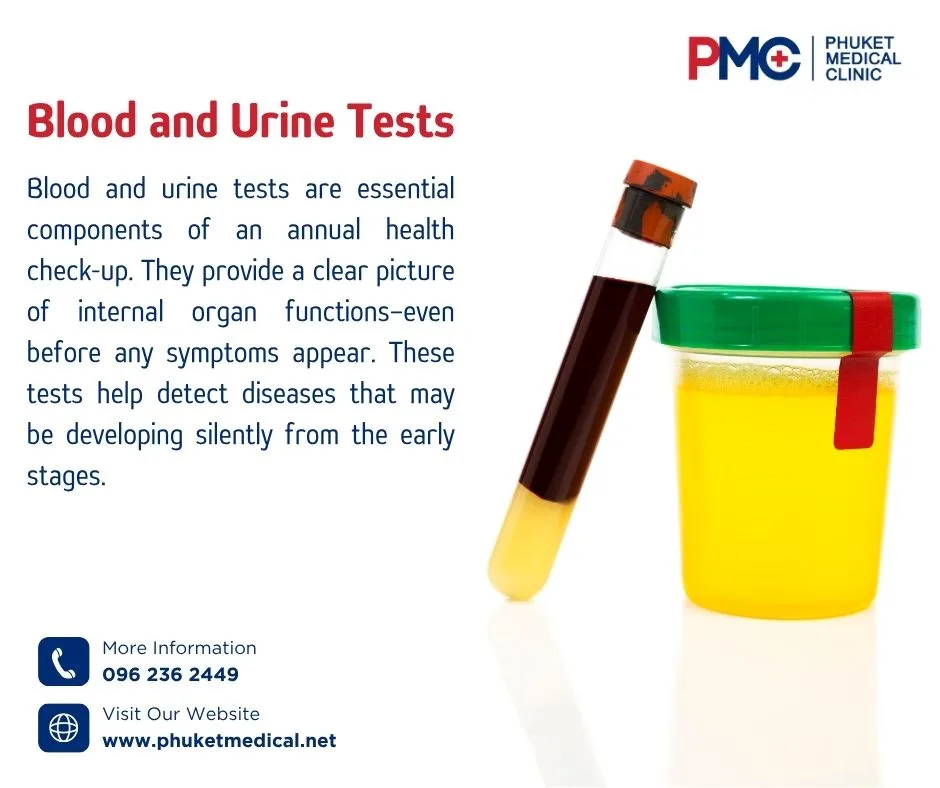
Blood and urine tests are essential components of an annual health check-up. They provide a clear picture of internal organ functions—even before any symptoms appear. These tests help detect diseases that may be developing silently from the early stages.
Blood Test
- Complete Blood Count (CBC)
This test analyzes the main components of the blood: red blood cells, white blood cells, and platelets. It can indicate:- Anemia, often due to iron or vitamin deficiency
- Infection or inflammation, shown by elevated white blood cell count
- Low platelet count, which may increase the risk of easy bruising or excessive bleeding
- Fasting Blood Sugar (FBS) This test measures glucose levels in the bloodstream after fasting for at least 8 hours.
- Elevated levels may indicate pre-diabetes or type 2 diabetes.
- It’s especially recommended for those who are overweight, have a family history of diabetes, or have high blood pressure.
- Kidney Function Test (BUN and Creatinine) This assesses kidney performance in filtering waste from the blood.
- BUN (Blood Urea Nitrogen) levels rise when kidney function declines or in dehydration.
- Creatinine is a more precise indicator—higher values suggest decreased kidney function.
Early evaluation of these levels allows for timely prevention or treatment of kidney disease.
Urine Analysis
Urine samples are collected to detect abnormalities such as protein, sugar, blood, or white blood cells.
- Protein in urine: May signal kidney disease
- Sugar in urine: Often linked to poorly controlled diabetes
- White blood cells or bacteria: Indicate a urinary tract infection (UTI)
- Blood in urine: Could point to kidney stones, inflammation, or even urinary tract cancers (in some cases)
Even without symptoms, these results can help identify potential disease risks early.
Blood Lipids, Glucose, and Liver Function Tests
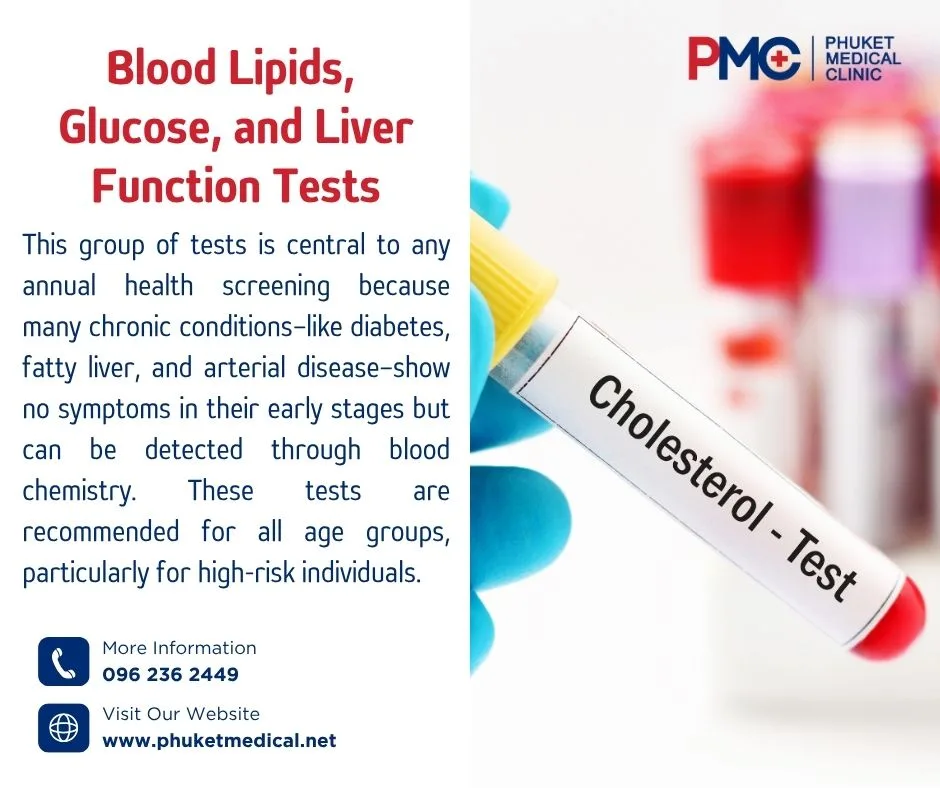
This group of tests is central to any annual health screening because many chronic conditions—like diabetes, fatty liver, and arterial disease—show no symptoms in their early stages but can be detected through blood chemistry. These tests are recommended for all age groups, particularly for high-risk individuals such as
- Those who are overweight or have abdominal obesity
- People who frequently eat oily, sugary, or fried foods
- People with a sedentary lifestyle
- Individuals with a family history of diabetes or high cholesterol
Cholesterol and Blood Lipid Tests
Excessive blood lipids are a major risk factor for heart disease, stroke, and fatty liver disease. Testing these values helps with early prevention:
- LDL (Low-Density Lipoprotein / “Bad” cholesterol) High LDL increases the risk of plaque buildup in arteries, leading to atherosclerosis and ischemic heart disease.
- Normal value: < 100 mg/dL
- Normal value: < 100 mg/dL
- HDL (High-Density Lipoprotein / “Good” cholesterol) Helps remove excess fat from the arteries—the higher, the better.
- Normal value: > 40 mg/dL (men), > 50 mg/dL (women)
- Normal value: > 40 mg/dL (men), > 50 mg/dL (women)
- Triglycerides A form of fat stored in the body. High levels, combined with high LDL and low HDL, increase heart disease risk.
- Normal value: < 150 mg/dL
Liver Enzyme Tests (SGOT, SGPT)
These tests evaluate liver function and detect liver inflammation through enzyme levels released when liver cells are damaged.
- SGOT (AST) and SGPT (ALT) are enzymes found in liver cells.
- Elevated levels may indicate inflammation caused by hepatitis, fatty liver, or excessive alcohol consumption.
- In some cases, high values may signal serious liver diseases such as cirrhosis or liver cancer.
Early knowledge of these values allows for behavioral changes—like reducing alcohol intake, losing weight, and starting treatment on time.
HbA1c Test (Hemoglobin A1c)
The HbA1c test measures the average blood sugar level over the past three months, helping to assess how well blood sugar has been controlled.
- This test does not require fasting beforehand
- Ideal for those at risk of diabetes or those monitoring diabetes treatment progress
HbA1c Interpretation
- Below 5.7% = Normal
- 5.7% – 6.4% = Pre-diabetes risk
- 6.5% or above = Indicates diabetes
Note: This test is more accurate than Fasting Blood Sugar because it reflects long-term behavior, not just a single moment.
Assessing Stress, Sleep, and Nutrition
Taking care of health involves not only the physical body but also mental well-being and behavioral habits.
- Mental health screening through questionnaires that assess depression, stress, or anxiety to determine whether mental health is within a healthy range
- Sleep behavior analysis, such as evaluating for poor sleep quality or sleep apnea
- Nutritional assessment, based on eating habits or potential nutrient deficiencies that may affect immune function and metabolism
Even in the absence of physical illness, good mental health and sufficient sleep are essential for long-term well-being.
Cancer and Heart Disease Screenings
For individuals aged 35 and above, or those with a family history of chronic diseases, additional specialized screenings are recommended to detect hidden risks.
- Electrocardiogram (EKG): Screens for arrhythmias or heart disease
- Echocardiogram: Evaluates the structure and function of the heart
- Cancer markers, such as:
- PSA for prostate cancer
- AFP for liver cancer
- CA 125/153 for ovarian or breast cancer
- Pap smear and HPV DNA test: For cervical cancer screening
- Chest X-ray: For early detection of tuberculosis or lung cancer
These tests can significantly reduce mortality from chronic diseases if detected at an early stage.
Why Should You Get an Annual Health Check-Up Every Year?
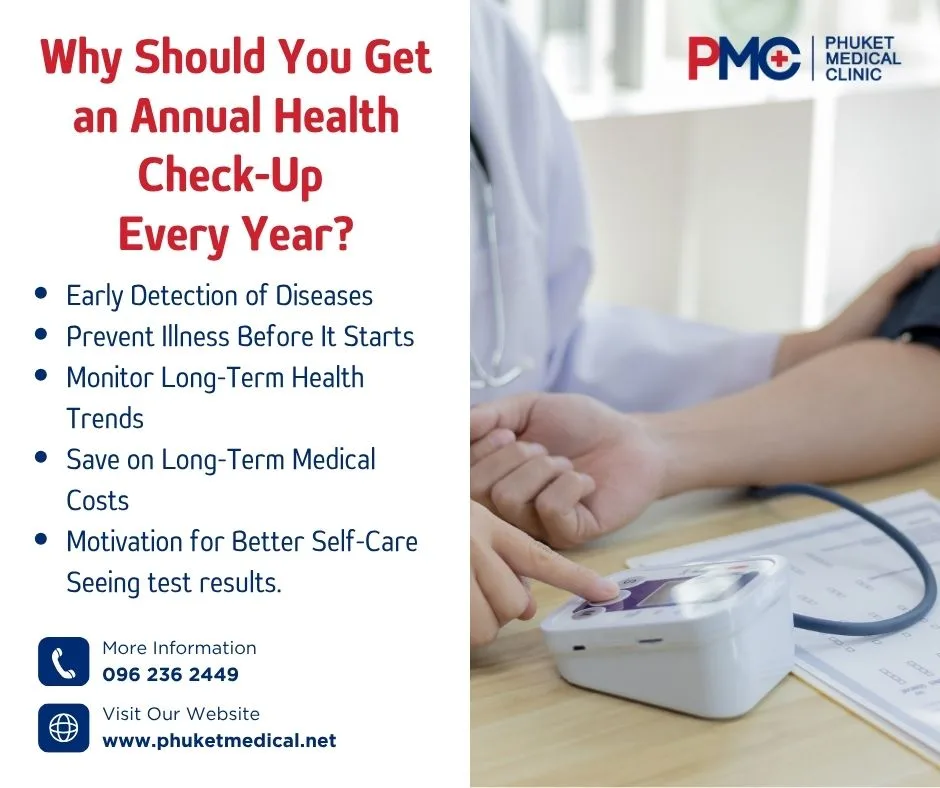
- Early Detection of Diseases Many conditions such as diabetes, high blood pressure, high cholesterol, or even certain types of cancer may not show any symptoms in their early stages. However, they can be detected through blood tests or an annual check-up. Early detection greatly increases the chances of complete recovery or successful disease management.
- Prevent Illness Before It Starts Health check-ups aren’t just about “finding disease” — they also help evaluate the risk of future illness. For example, if rising cholesterol, weight gain, or prediabetic signs are detected, doctors can offer lifestyle advice to help prevent these conditions from developing further.
- Monitor Long-Term Health Trends Our health changes over time based on age, lifestyle, stress, sleep, and diet. Annual check-ups allow for year-over-year comparisons and help spot overall trends — such as gradually rising blood sugar or unstable blood pressure.
- Save on Long-Term Medical Costs Although health screenings come at a cost, early detection means treatment can start sooner, which is often more affordable and less invasive than managing advanced-stage illness. Early care reduces hospital stays, time off work, and preserves your quality of life.
- Motivation for Better Self-Care Seeing test results — like high cholesterol or elevated liver enzymes — can be a wake-up call, encouraging more physical activity, healthier eating, and reduced risky behavior.
Who Should Get Annual Health Check-Ups?
- Working-age adults (25–50 years): Though the body may appear strong, this age group is at higher risk for silent conditions like diabetes, hypertension, and stress-related heart issues. Office workers and screen-bound professionals should get screened at least once a year.
- Older adults (50 years and above): The risk for chronic diseases increases with age, including heart disease, cancer, osteoporosis, and cognitive decline. Regular check-ups help in planning quality long-term healthcare.
- Those with a family history of chronic illness: Individuals with a family history of diabetes, cancer, hypertension, or heart disease should undergo more frequent and specialized screenings.
- People with high-risk behaviors: Regular alcohol consumption, smoking, physical inactivity, frequent intake of fatty or sugary foods, or obesity increases disease risk. These individuals should have yearly screenings to monitor potential health problems.
- People with pre-existing health conditions: Those already diagnosed with diabetes, hypertension, high cholesterol, or heart disease should receive ongoing specialized evaluations and regular monitoring to track treatment progress and adjust health plans.
- Foreign residents in Thailand: Many countries require health check-up results for visa applications, work permits, or health insurance. Health screenings in Thailand are typically more convenient, faster, and more affordable than in many other countries.
Recommended Health Clinics and Medical Services in Phuket
- Phuket Medical Clinic A comprehensive clinic offering general health check-ups, blood tests, STI screenings, as well as nutritional and mental health consultations. Known for its accuracy and individualized care.
- Bangkok Hospital Phuket – Wellness Center One of the most renowned wellness centers in Phuket. Provides annual check-ups, pre-employment screenings, and specialized diagnostics with state-of-the-art medical equipment.
- Lyfe Medical Wellness Focuses on holistic health care, offering a relaxing environment with personalized health risk assessments and consultations in addition to standard check-up services.
- Citycare Phuket Specializes in chronic disease management and health rehabilitation. Offers integrated care with a team of medical specialists and modern diagnostic technology.
Tips for Choosing the Right Health Check-Up Clinic
- Credibility: Check for proper licensing and certifications from health authorities
- Comprehensive Services: Look for clinics offering a wide range of check-up programs tailored to different age groups.
- Modern Technology: Choose clinics with updated and accurate diagnostic tools to ensure high-quality evaluations.
- Qualified Medical Team: Look for internal medicine, preventive medicine, and family health specialists on staff.
- Convenience: Consider location accessibility, online appointment systems, and clinics open daily for added flexibility.
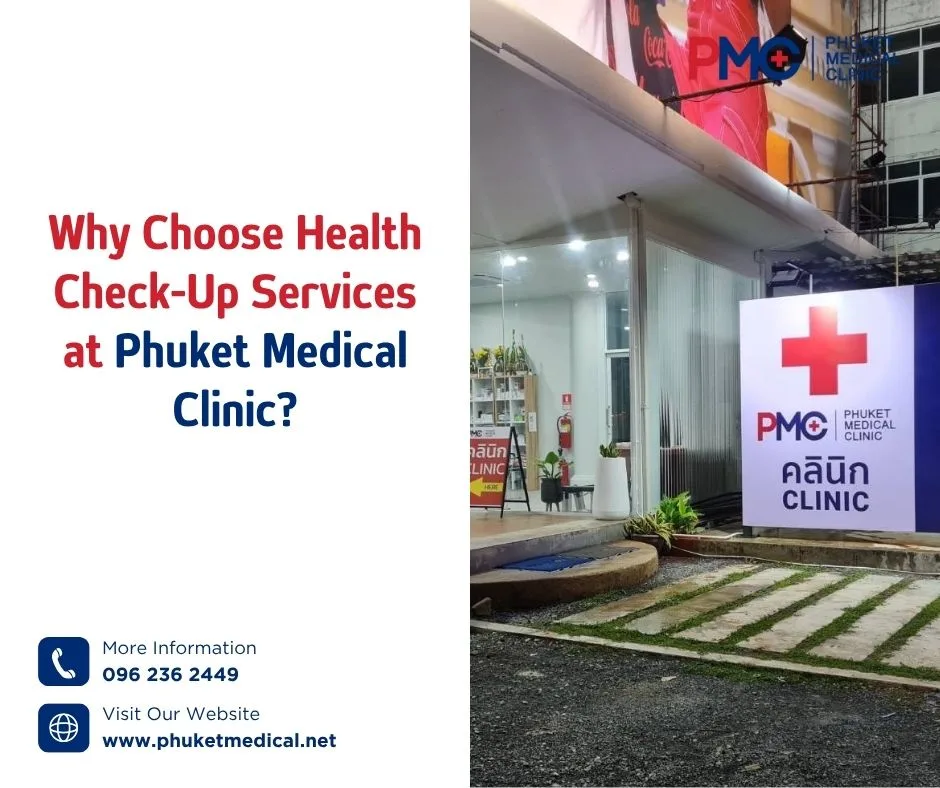
Why Choose Health Check-Up Services at Phuket Medical Clinic?
In today’s world, where healthcare demands speed, accuracy, and personalized care, Phuket Medical Clinic stands out as one of the best options in the province. Combining international medical standards, friendly service, and advanced technology, it’s no surprise the clinic is trusted by both Thai locals and foreign visitors alike.
Fast and Reliable Results with Rapid Testing
One of the clinic’s key strengths is the use of Rapid Test technology for general health screenings and sexually transmitted infection (STI) testing. Results are available within 20–30 minutes—perfect for
- Those with limited time
- Tourists who need results before departure
- Anyone feeling anxious and needing answers immediately
This accurate and standardized rapid testing helps reduce the stress of waiting and allows for timely treatment or health planning.
Consultations with Experienced Medical Specialists
Health check-ups and disease diagnoses are most effective when supervised by specialists. Phuket Medical Clinic has a team of experienced doctors in internal medicine, preventive medicine, and family medicine.
Patients receive comprehensive and compassionate care with clear explanations—not just lab results. The clinic provides holistic health planning, including advice on diet, sleep, stress, and everyday lifestyle.
Open Daily – Including Weekends and Holidays
Phuket Medical Clinic is open every day from 10:00 AM to 6:00 PM, including weekends and public holidays. This makes it convenient for busy individuals or international visitors who need same-day service without worrying about closures or staff shortages.
Three Convenient Locations: Phuket Town, Laguna, and Boat Lagoon
Whether you’re in the city, near a tourist area, or by the marina, Phuket Medical Clinic has branches across key areas, ensuring easy access. Patients can choose the branch most convenient for them
- Phuket Town – Ideal for locals and working residents
- Laguna – Located in a luxury tourist zone, near hotels and resorts
- Boat Lagoon – Close to the marina, perfect for boat travelers or those staying outside the city
Full English Support – Ideal for Foreigners
A major strength of the clinic is its English-speaking services, catering to international tourists and expats. The team is trained to provide friendly support and accommodate unique needs, such as
- Anonymous testing requests
- English-language explanation of results and documents
- Medical forms suitable for visa or international insurance use
Easy and Efficient Appointment System
Phuket Medical Clinic offers a modern and streamlined booking system. Appointments can be made via their website or LINE Official account in just a few steps:
- Website: https://phuketmedical.net
- LINE Official: @pmcphuket
This minimizes wait times and allows for efficient planning.
Read More Articles
- Common diseases that should not be overlooked.
- What are the specialized disease? Understanding the complexities of health
Contact Information
Laguna Branch
Phuket Medical Clinic – Laguna Branch is located at
- 58/1, Choeng Thale Subdistrict, Thalang District, Phuket 83100
- Open daily: Monday – Sunday, 09:00 AM–10:00 PM
- Contact via Line ID: @pmcphuket (Include @)
- Phone number: 096 236 2449
- Clinic Location: https://maps.app.goo.gl/SXaeLrSU9Lx47YPH6
- Online appointment booking: https://pmclaguna.youcanbook.me
Phuket Town Branch
Phuket Medical Clinic – Phuket Town Branch is located at
- 41/7-41/8, Talat Nuea Subdistrict, Mueang Phuket District, Phuket 83000
- Open daily: Monday – Sunday, 09:00 AM–9:00 PM
- Contact via Line ID: @pmcphuket (Include @)
- Phone number: 096 228 2449
- Clinic Location: https://maps.app.goo.gl/yeU9qNArGg3qdwZw9
- Online appointment booking: https://pmctown.youcanbook.me
Circle Clock Tower Branch
Phuket Medical Clinic – Circle Clock Tower Branch is located at
- 206/8 Phuket Rd, Taladyai, Mueang Phuket District, Phuket 83000
- Open daily: Monday – Sunday, 12:00 AM – 08:00 PM
- Contact via Line ID: @pmcphuket (Include @)
- Phone number: 096 696 2449
- Clinic Location: https://maps.app.goo.gl/svPvTabmmD1DHe9v9
- Online appointment booking: https://phuketmedicalclinic.youcanbook.me
Health services at Phuket Medical Clinic go beyond just treating illness. They include prevention, maintenance, and promotion of long-term health. Whether you’re Thai, a foreigner living in Thailand, or a visitor seeking complete health care, this clinic meets your needs with accuracy, safety, and compassion.
By choosing a trustworthy clinic that offers reliable diagnostics and expert guidance, you can take charge of your health with confidence. Because good health starts with self-care—and the right clinic will empower you to stay healthy for life.
References
- World Health Organization (WHO). Health promotion and disease prevention through population-based screening. [Online] Available at: https://www.who.int/news-room/fact-sheets/detail/screening-for-noncommunicable-diseases
- Centers for Disease Control and Prevention (CDC). Getting Your Annual Checkup. [Online] Available at: https://www.cdc.gov/family/checkup/index.htm
- Department of Health, Ministry of Public Health (Thailand). Health Promotion and Disease Prevention Handbook for the Public. [Online] Available at: https://www.anamai.moph.go.th
- National Health Security Office (NHSO). Annual health check-up benefits. [Online] Available at: https://www.nhso.go.th
- National Health Commission Office of Thailand. Concepts of preventive health screening and health promotion. [Online] Available at:
https://www.nationalhealth.or.th