

Hepatitis A or hepatitis A is a disease related to liver inflammation caused by infection with the A virus. This disease is commonly found in many areas around the world, including Thailand, which is a country with a hot and humid climate and some areas still lack good sanitation. Although this disease is generally not a serious disease and can be cured on its own in people with strong immunity, there are cases where the symptoms can be severe to the point of liver failure, especially in groups with chronic liver disease or low immunity.

What is Hepatitis A?
Hepatitis A (HAV) is a viral infection that causes inflammation of the liver, affecting its functions, such as detoxification, bile production, and digestion. Approximately 1.4 million people worldwide are infected with the hepatitis A virus each year. This disease is most common in developing countries or countries with poor sanitation. It can affect both children and adults.
Hepatitis A is easily spread through contaminated feces, food, or water, and may occur through close contact with an infected person. It can also be transmitted through sharing sharp objects, having sex, or eating undercooked food.
Causes of Hepatitis A
Hepatitis A is caused by the HAV virus, which can enter the body through several routes, including:
- Eating contaminated food and drinking water. HAV is often found in unclean food or water sources, such as unfiltered water, consuming vegetables, fruits, or aquatic animals from contaminated water sources.
- Lack of good hygiene, defecating in public water sources without proper management, or not washing hands properly after using the toilet can cause the virus to contaminate the water and food system.
- Eating food prepared by an infected person A carrier of the hepatitis A virus can spread the virus to others through food preparation if hands are not washed thoroughly before handling food.
- Contact with the blood or bodily fluids of an infected person, sharing sharp objects such as tattoo needles, ear piercing needles, or acupuncture needles with an infected person can also spread the virus.
- Having unprotected sex, anal sex, or contact with bodily fluids without protection, such as using a condom, can increase the risk of infection.
- Consuming undercooked, raw, or undercooked food, such as oysters or raw fish, can also be a source of HAV transmission.
Characteristics of the hepatitis A virus
Hepatitis A can be spread primarily through the anus and mouth, as well as through close contact with an infected person, either through physical contact or sexual contact.
- Symptoms in children under 6 years of age: Usually, there are no symptoms or only mild symptoms.
- Symptoms in older children and adults: More than 70% of those infected in this group will show obvious symptoms, such as jaundice (yellowing of the skin and eyes), fatigue, and nausea.
Incubation period of the disease
- The incubation period of the virus is approximately 14–28 days.
- Symptoms may last for up to 50 days in some cases.
- Some patients may have jaundice lasting longer than 10 weeks, or in severe cases, acute liver failure, which can be fatal, especially in people with chronic liver disease or cirrhosis.
Hepatitis A is different from other hepatitis viruses.
There are many types of hepatitis viruses, including hepatitis A, B, C, D, and E. Each type has different characteristics and severity, as follows:
| Types of Hepatitis | Characteristics and Symptoms | ช่อTransmission Channels |
| Hepatitis A (HAV) | Nausea, vomiting, yellow skin, yellow eyes, pain in the right ribs, if severe, may cause liver failure | Transmitted through eating food, drinking water, or contact with infected people |
| Hepatitis B (HBV) | Most often have no symptoms, but if chronic, it may lead to cirrhosis or liver cancer | Transmitted through blood, sexual intercourse, and from mother to child |
| Hepatitis C (HCV) | Usually have no symptoms in the early stages, may develop into cirrhosis or liver cancer in the long term | Transmitted through blood and sexual intercourse |
| Hepatitis D (HDV) | Symptoms of fatigue, jaundice, yellow skin, dark urine, may be severe when combined with HBV | Transmitted through contact with contaminated blood or sharp objects |
| Hepatitis E (HEV) | Symptoms similar to HAV, such as yellow skin, yellow eyes, fatigue, nausea | Transmitted through contaminated food, blood transfusions, and from mother to child |
Symptoms of Hepatitis A
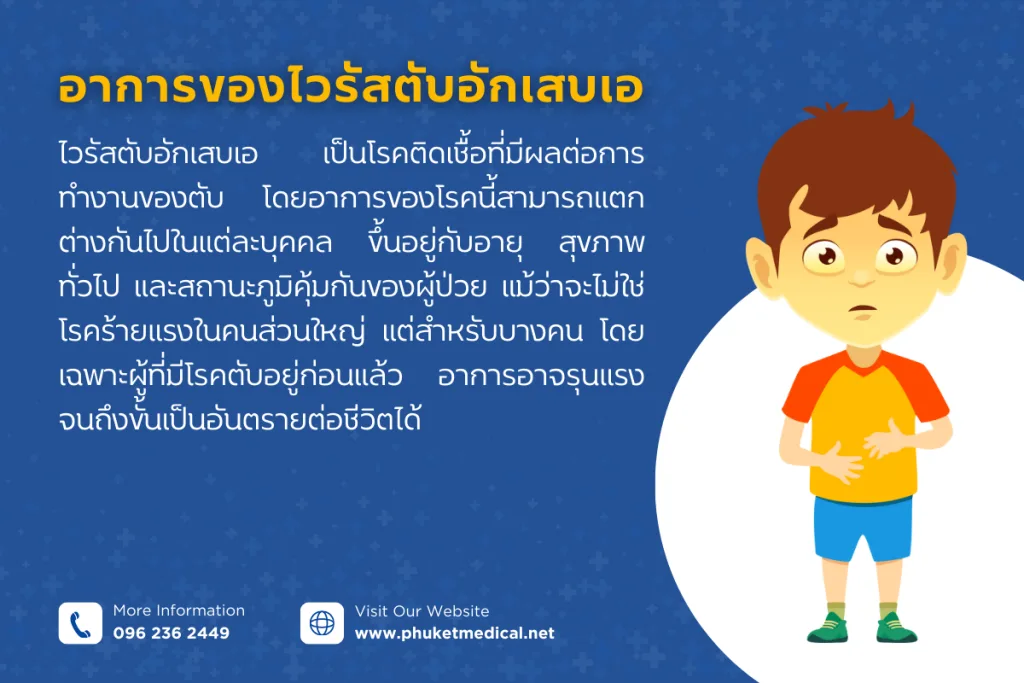
Hepatitis A is an infectious disease that affects the functioning of the liver. Symptoms of the disease can vary from person to person, depending on the age, general health, and immune status of the patient. Although it is not a serious disease for most people, symptoms can be severe and life-threatening for some people, especially those with pre-existing liver disease.
Initial Symptoms of Hepatitis A
Most people with Hepatitis A initially show symptoms similar to those of a common illness or the flu. These symptoms usually occur about 2 to 6 weeks after exposure to the virus. Common symptoms include:
- Low-grade fever: People often start with a low-grade fever, similar to the flu.
- Feeling unwell: People with symptoms similar to being sick, such as fatigue and weakness.
- Loss of appetite: People with a decreased appetite, which can lead to short-term weight loss.
- Gastrointestinal symptoms: Constipation, diarrhea, or nausea or vomiting.
- Upper right abdominal pain: Where the liver is located.
Common symptoms later in life
As the disease progresses to the stage where the liver begins to be affected, additional symptoms may include:
- Jaundice: This is a prominent feature of the disease, where people have yellow skin and the whites of their eyes.
- Dark urine: The patient’s urine is often tea-colored.
- Pale stool: This is caused by the liver’s inability to excrete certain substances in the bile.
- Muscle aches: Body aches, similar to those after strenuous exercise.
- Itchy rash: Some people may have a rash or itching.
Symptoms in children and adults
- Young children under 6 years old: Most have no symptoms or only mild symptoms that are barely noticeable.
- Older children and adults: Symptoms are usually more severe and take longer to recover, especially in adults with low immunity.
Complications from hepatitis A
Although most patients recover on their own within 2-6 months, some people can develop serious complications, such as:
- Acute liver failure: This can occur in patients with chronic liver disease, such as cirrhosis or fatty liver.
- Chronic jaundice: Some patients may have jaundice for more than 10 weeks.
Factors affecting the severity of symptoms
- The patient’s underlying health: People with chronic liver disease are at higher risk of severe symptoms.
- Age: Adults and the elderly are more likely to develop severe symptoms than young children.
- Immunity: People with low immunity, such as people with HIV or people taking immunosuppressive drugs. There is a risk that the disease will spread further.
Diagnosis and testing for hepatitis A
Hepatitis A is a disease that requires accurate and precise diagnosis in order to manage symptoms appropriately and prevent the spread of the virus in the community. Diagnosis requires laboratory testing to check for the presence of specific antibodies to hepatitis A (HAV) in the body.
Diagnosis of hepatitis A
Doctors will perform tests to confirm hepatitis A infection through various methods that focus on assessing the patient’s immunity and health history. The process is as follows:
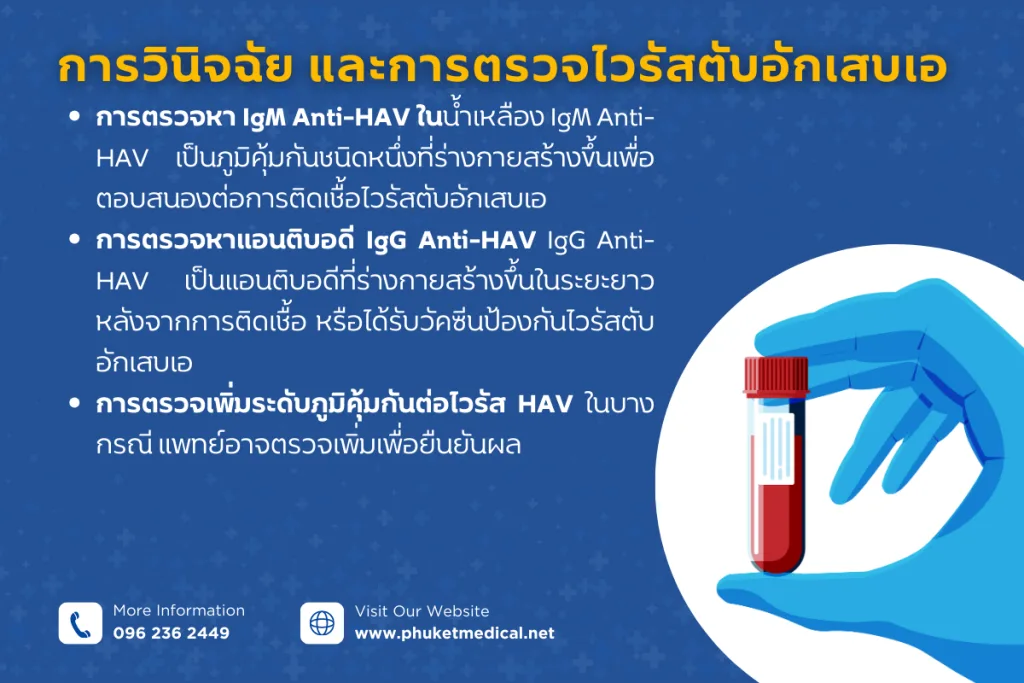
- Testing for IgM Anti-HAV in serum IgM Anti-HAV is a type of immunity that the body produces in response to hepatitis A infection. This method is considered the main method used for diagnosis.
- The testing process involves collecting blood samples from patients during the period when they have symptoms or suspect that they have been infected by testing for IgM antibodies in the blood sample.
- The period when IgM can be detected can be detected from 5-10 days after infection, and IgM will remain in the body for about 6 months after the onset of the disease.
- IgG Anti-HAV Antibody Test IgG Anti-HAV is an antibody that the body produces long-term after infection or vaccination against hepatitis A. If IgG is found in the body, it means that the patient has been infected with hepatitis A before or the patient has been vaccinated against this disease.
- Increasing the level of immunity to HAV virus In some cases, the doctor may perform additional tests to confirm the results. This test method measures the level of immunity to HAV virus, increasing by 4 times or more from collecting blood samples 2 times using the RIA (Radioimmunoassay) or ELISA (Enzyme-Linked Immunosorbent Assay) test.
Meaning of the test results
- A negative result indicates that there is no hepatitis A infection in the body or the patient has never been vaccinated against hepatitis A before.
- A positive result indicates that the body has been infected with hepatitis A virus and can build immunity or the patient may have been vaccinated against this type of virus.
How to treat hepatitis A
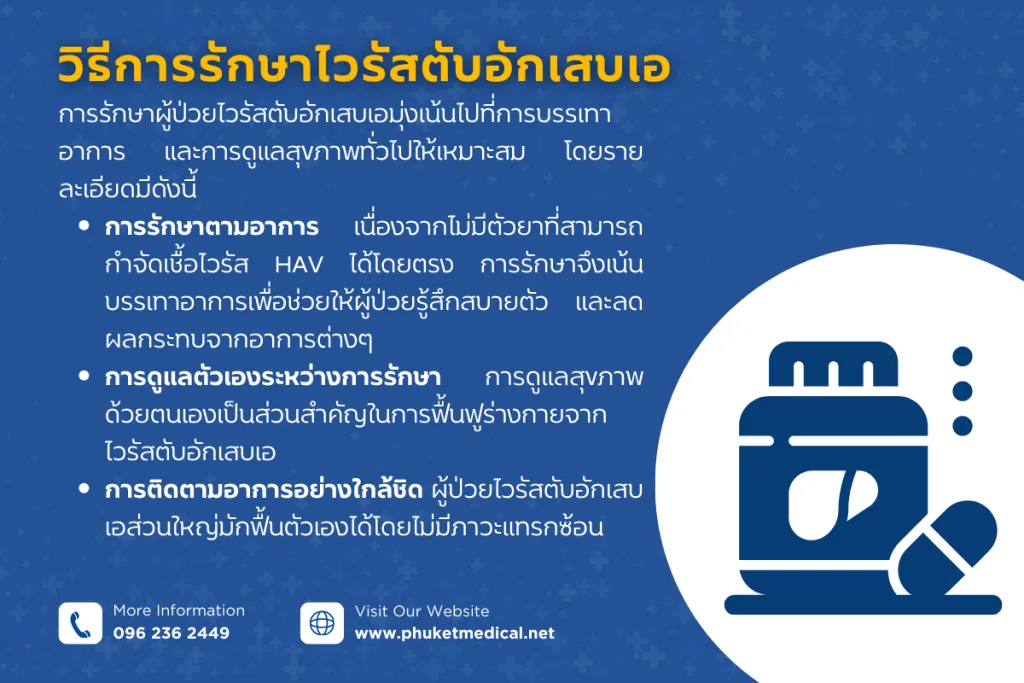
Hepatitis A is a liver disease caused by HAV virus infection. Currently, there is no specific treatment that can directly eliminate the virus. Therefore, the care and treatment of this disease focuses on treating the symptoms and taking care of yourself to help the body recover quickly and reduce the chance of complications.
Treatment of hepatitis A
Treatment of patients with hepatitis A focuses on relieving symptoms and taking care of general health appropriately. The details are as follows:
- Treatment by symptoms
- Since there is no drug that can directly eliminate the HAV virus, treatment focuses on relieving symptoms to help patients feel comfortable and reduce the impact of various symptoms.
- Antiemetic drugs: For patients who experience nausea or frequent vomiting
- Giving fluids: If the patient has diarrhea or vomiting causing fluid loss in the body, IV fluids or drinking mineral water can help prevent dehydration.
- Relieving pain or fatigue: Use drugs that are safe for liver function, such as paracetamol in appropriate amounts.
- Taking care of yourself during treatment Taking care of yourself is an important part of recovering from hepatitis A. Patients should do the following:
- Get enough rest: Your body needs energy to recover from an infection. Getting enough rest allows your immune system to function at its best.
- Avoid alcohol: Alcohol increases the workload on your liver and can worsen your symptoms.
- Avoid high-fat foods: Such as fried foods or foods high in saturated fat, because an inflamed liver has a hard time breaking down fat.
- Eat a healthy diet: Focus on foods high in high-quality protein, such as fish, tofu, and eggs, as well as fresh vegetables and fruits that are high in vitamins and minerals.
- Avoid stress: Stress can affect your immune system, slowing your recovery.
- Close monitoring: Most people with hepatitis A recover without complications. However, your doctor may recommend that you come in for follow-up checkups to assess your recovery progress, especially if your symptoms are severe.
Prevention of Hepatitis A
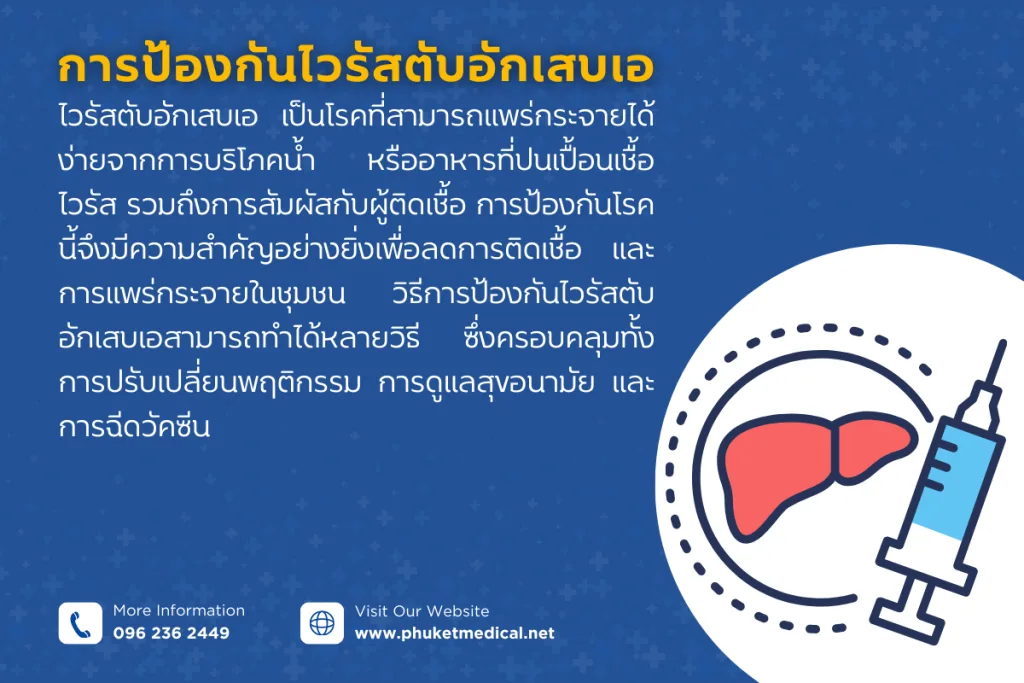
Hepatitis A is a disease that can be easily spread by consuming water or food contaminated with the virus, as well as by contact with infected people. Therefore, prevention of this disease is very important to reduce infection and its spread in the community. There are many ways to prevent Hepatitis A, which include behavioral modification, hygiene, and vaccination.
Prevention through personal hygiene
Good hygiene is the key to reducing the risk of Hepatitis A infection.
- Wash your hands thoroughly with soap and water after using the toilet, before eating, and after touching dirty things. Use clean water to wash your hands, especially in areas where the virus is prevalent.
- Avoid sharing personal items with others. Do not share needles, blood draw needles, ear piercing needles, or tattoo needles with others. Avoid sharing spoons, forks, or straws.
Selecting and preparing safe food
Hepatitis A can be killed by improper cooking processes. Selecting and preparing food is therefore important.
- Drink safe water. Drink water that has been boiled for 20 minutes to kill the virus. Avoid drinking ice or water from unknown sources.
- Cooked food Choose food that has been thoroughly cooked. Especially seafood such as oysters, crabs or raw fish, and avoid eating unwashed fresh vegetables and fruits.
- Restaurants with hygiene standards Choose restaurants where chefs or cooks wash their hands properly and wear gloves while cooking.
Prevention with Hepatitis A vaccine
The Hepatitis A vaccine is another effective way to reduce infection.
- Vaccination
- The Hepatitis A vaccine is made from a dead virus and requires two injections, approximately 6-12 months apart.
- This vaccine is effective only against Hepatitis A. It does not protect against Hepatitis B, C, D or E.
- Groups that should be vaccinated
- Children aged 1 year and older
- People who are not immune to Hepatitis A
- People with chronic liver disease such as cirrhosis or fatty liver
- Drug users
- People who are in close contact with an infected person, such as family members
- Tourists who have to travel to areas with an outbreak
- People in high-risk occupations such as chefs, cooks or people who work in food factories
- When vaccinating close contacts, it is recommended that people in the house who live together get a blood test and get vaccinated against Hepatitis A to reduce the risk of spreading the infection.
Food and water source inspection
- Food sources used for cooking should be inspected for safety, such as randomly testing for viruses in food samples.
- Avoid food from contaminated water sources.
Community prevention
- Monitor the spread of disease in the community, such as reporting infected people to prevent the spread of infection.
- Promoting knowledge and understanding about hepatitis A among the public.

Frequently Asked Questions about Hepatitis A
Hepatitis A is a common disease that is easily transmitted through consuming contaminated food or drinks, as well as close contact with an infected person. Although the disease is not serious and does not cause chronic symptoms, prevention is still important to avoid infection and the spread of the disease.
How is Hepatitis A transmitted?
Hepatitis A can be transmitted in several ways, which involve direct contact with contaminated objects or infected persons. Examples of transmission channels include:
- Eating contaminated food and water; Raw or undercooked food, such as oysters, crabs, fish, or vegetables and fruits that have not been properly washed, may be contaminated with the virus; and drinking water from unclean sources, such as well water or water from contaminated sources.
- Transmission from an infected cook: If an infected person does not wash their hands thoroughly before preparing food or drinks, the virus may be transmitted to the food.
- Close contact with an infected person; Living in the same house with an infected person, such as sharing personal items; and contact with an infected person’s feces, such as when caring for a sick person.
- Contamination from feces in food and drinking water; HAV is often found in the feces of an infected person. If contaminated water or food is released into the water supply, it can be transmitted to the consumer.
Hepatitis A Scary or not?
Although hepatitis A is not a life-threatening disease for most people, it is still important to be aware of it because it is easily transmitted and has the following health effects:
- Hepatitis A is not a serious disease. It does not usually cause chronic hepatitis or liver cancer in the long term. Most patients can recover from the disease on their own and are immune to the hepatitis A virus after recovering.
- Risk of spreading the infection The scary thing about hepatitis A is that it is easily transmitted in the community. If it is not properly controlled, it can spread widely. Things to watch out for are contaminated food and water, as well as contact with infected people.
- Impact on risk groups In people with chronic liver disease, such as cirrhosis or fatty liver, hepatitis A infection can cause acute liver failure. The elderly or those with low immunity may recover slower than normal.
Check and treat hepatitis A at Phuket Medical Clinic, Laguna branch
Check and treat services
- Diagnostics: Blood test for IgM Anti-HAV antibodies to confirm infection
- Treatment: Treat symptoms such as giving medication to relieve nausea, giving fluids in case of dehydration, and self-care advice
What to do
- Get advice from a specialist about health care And prevention of infection
- Get vaccinated against hepatitis A if you are not yet immune
For more information or to make an appointment, please contact Phuket Medical Clinic, Laguna Branch for convenient and safe services.
Read more articles
- Liver Disease: Dangers That Often Don’t Show Symptoms and How to Deal with It
- Sexually Transmitted Diseases (STDs) Things You Should Know About Health and Prevention
Contact Channels
Laguna Branch
- Phuket Medical Clinic, Laguna Branch is located at 58/1, Cherngtalay Subdistrict, Thalang District, Phuket Province 83100
- Open every day, Monday – Sunday, 09.00 – 22.00 hrs.
- Inquire via Line id. @pmcphuket (with @)
- Contact number 096 236 2449
- Clinic map https://maps.app.goo.gl/SXaeLrSU9Lx47YPH6
- Book an appointment online https://pmclaguna.youcanbook.me
Branch in the city
- Phuket Medical Clinic, Phuket City Branch is located at 41/7-41/8, Talat Nuea Subdistrict, Mueang Phuket District, Phuket Province 83000
- Open every day, Monday – Sunday, 09.00 – 22.00 hrs.
- Inquire via Line id. @pmcphuket (with @)
- Contact number 096 228 2449
- Clinic map https://maps.app.goo.gl/yeU9qNArGg3qdwZw9
- Book an appointment online https://phuketmedicalclinic.youcanbook.me
Boat Lagoon Branch
- Phuket Medical Clinic Boat Lagoon Branch is located at 20/96. Moo 2, Thepkrasattri Rd., Koh Kaew Subdistrict, Mueang Phuket District, Phuket Province 83000
- Open every day, Monday – Sunday, 10.00 – 18.00 hrs.
- Inquire via Line ID. @pmcphuket (with @)
- Contact number 096 696 2449
- Clinic map https://maps.app.goo.gl/HbqfUKMEHXuKwan96
- Book an appointment online https://pmctown.youcanbook.me
Hepatitis A is a disease caused by infection with the A virus, which causes acute inflammation of the liver. This disease can occur in people of all ages and is more common in areas with poor sanitation. Hepatitis A often has symptoms ranging from mild, such as low-grade fever, nausea, and vomiting, to severe, such as acute liver failure in people with pre-existing liver disease. Hepatitis A is a preventable disease and is usually not serious in most people. However, appropriate behaviors, such as washing hands thoroughly, eating safe food, and getting vaccinated, can help reduce the risk of infection and effectively prevent the spread of the disease. If you have liver symptoms, you should see a doctor immediately for advice and proper treatment.
Reference
- Centers for Disease Control and Prevention (CDC). Hepatitis A FAQs. Comprehensive details on symptoms, diagnosis, and prevention. [ออนไลน์] เข้าถึงได้จาก https://www.cdc.gov/hepatitis/hav/index.htm
- World Health Organization (WHO). Hepatitis A: Symptoms, Treatment, and Prevention. [ออนไลน์] เข้าถึงได้จาก https://www.who.int/news-room/fact-sheets/detail/hepatitis-a
- Mayo Clinic. Hepatitis A: Overview of Causes, Symptoms, and Treatment. [ออนไลน์] เข้าถึงได้จาก https://www.mayoclinic.org/diseases-conditions/hepatitis-a/symptoms-causes/syc-20367007
- กระทรวงสาธารณสุขแห่งประเทศไทย. เว็บไซต์ กรมควบคุมโรค กระทรวงสาธารณสุข. ข้อมูลเกี่ยวกับไวรัสตับอักเสบเอ และแนวทางการป้องกัน. [ออนไลน์] เข้าถึงได้จาก http://www.ddc.moph.go.th
- สมาคมโรคตับแห่งประเทศไทย. แนวทางการดูแลและป้องกันโรคไวรัสตับอักเสบเอในประเทศไทย. [ออนไลน์] เข้าถึงได้จาก https://www.thailiverfoundation.org