
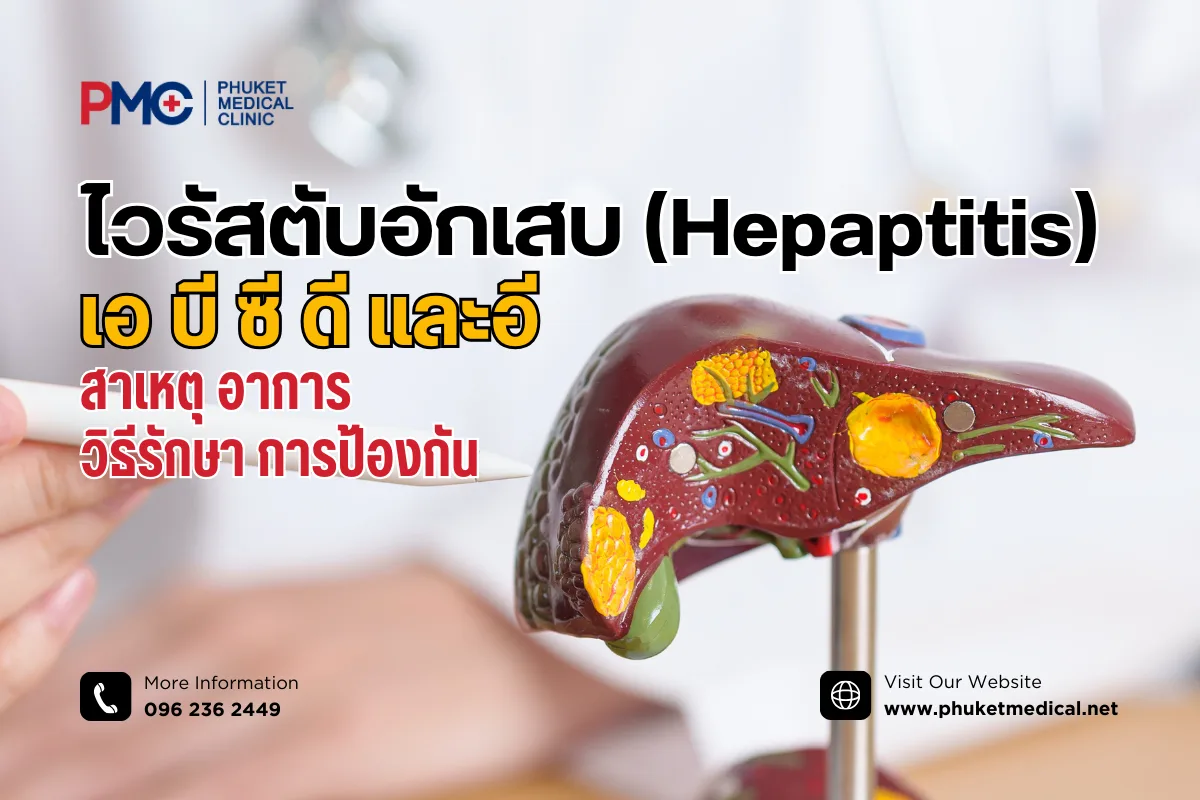
Hepatitis is a disease caused by inflammation of the liver, which is caused by a viral infection. There are many types of viruses that cause the disease. Each type has a different spread and severity. Patients with hepatitis will have abnormal symptoms when the virus starts to destroy the liver, causing the liver to lose its function. If not treated promptly, it can lead to serious complications such as cirrhosis or liver cancer.
Causes of Hepatitis
Hepatitis is a disease caused by a viral infection that causes inflammation of the liver. Different types of viruses have different properties, but they all have a significant impact on liver health. If left untreated, it can lead to chronic hepatitis, cirrhosis, and liver cancer, which can be serious and even fatal.
There are 5 types of hepatitis you should know about.
- HepatitisA is a virus that is easily transmitted through contaminated food and water. It is often found in areas with poor sanitation. Although this virus does not usually develop into a chronic disease, it can cause discomfort and acute symptoms in patients.
- HepatitisB is a serious threat that must be monitored because it is the main cause of death from liver disease. Patients infected with the hepatitisB virus often develop a chronic condition if left untreated.
- HepatitisC is another strain of the hepatitisC virus that is more severe. Most infected people develop chronic hepatitis, which leads to cirrhosis and liver cancer in the long term.
- HepatitisD Although this virus cannot cause disease on its own, when infected with the hepatitisB virus The severity of the disease increases significantly.
- HepatitisE This virus is common in areas with poor water quality. Infection in the general population is usually mild, but in pregnant women it can be life-threatening.
Although all five types can cause health problems, the viruses to watch out for are Hepatitis B and Hepatitis C, as they are the main causes of chronic hepatitis, cirrhosis, and liver cancer, which can lead to death.
Symptoms of Hepatitis
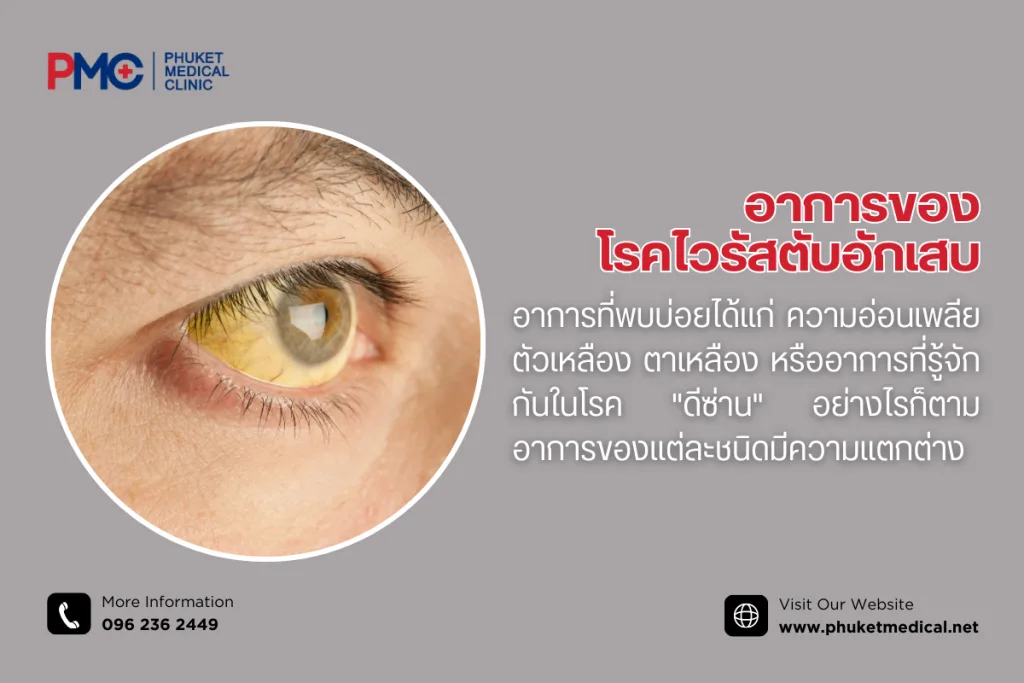
Hepatitis is a viral infection that affects the functioning of the liver. Symptoms and severity of the disease vary depending on the type of virus, the route of infection, and the patient’s health status. Hepatitis can be acute or chronic. Common symptoms include fatigue, yellow skin and eyes, or what is known as “jaundice.” However, the symptoms of each type are different as follows:
Hepatitis A
Hepatitis A is a type that is transmitted by consuming food or water contaminated with the virus. When the virus enters the body, it passes through the stomach to the intestines before spreading to the liver.
Symptoms
- Symptoms start about 1-2 weeks after infection.
- Fatigue
- Loss of appetite
- Nausea, vomiting
- Yellow skin and eyes (jaundice)
- Dark urine, pale stools
Risk groups
- People who live in crowded areas
- People who consume unclean water or food
- Hepatitis A usually does not develop into a chronic disease and can be cured on its own with proper care.
Hepatitis B
Hepatitis B is a virus that spreads through bodily fluids such as blood, lymph, saliva, or from mother to child during pregnancy.
Symptoms
- Low-grade fever
- Fatigue
- Loss of appetite
- Nausea, vomiting
- Muscle aches
- Dark urine, pale stool
- Yellow body, yellow eyes
Impacts
- If left untreated, it can become chronic hepatitis.
- Increases the risk of cirrhosis and liver cancer.
Currently, there is a vaccine that can effectively prevent hepatitis B.
Hepatitis C
Hepatitis C is mainly transmitted through blood, such as receiving unscreened blood, sharing needles, or sharing sharp objects with others.
Symptoms
- Most people do not have obvious symptoms in the early stages.
- Stimulates the accumulation of fibrosis in the liver.
- Develops into long-term cirrhosis.
This virus is one of the main causes of cirrhosis and liver cancer.
Hepatitis D
This virus cannot cause disease by itself, but it is found together with hepatitis B.
Symptoms
- Symptoms may be similar to hepatitis B.
- Recurrent infection and symptoms come and go.
Impact
- Increased severity of hepatitis B infection.
- Risk of developing chronic hepatitis.
Hepatitis E
This virus is transmitted through consuming contaminated food or water, and is often found in animals such as pigs and cows.
Symptoms
- Yellow body, yellow eyes.
- Symptoms similar to hepatitis A.
- Acute inflammation of the liver.
Risk groups
- People who eat undercooked meat.
Preliminary diagnosis
- Blood test for viruses Diagnosis of hepatitis begins with a blood test to test for viruses in the body, including assessing liver function and testing for inflammation or liver enzyme function (Liver Function Test).
- Testing for the type of virus after being diagnosed with hepatitis Your doctor will identify the type of virus, such as hepatitis A, B, C, D, or E, to plan the appropriate treatment.
- Further testing: In some cases, your doctor may recommend a liver biopsy or an X-ray, such as an ultrasound, to assess the extent of liver damage.
Treatment of Hepatitis
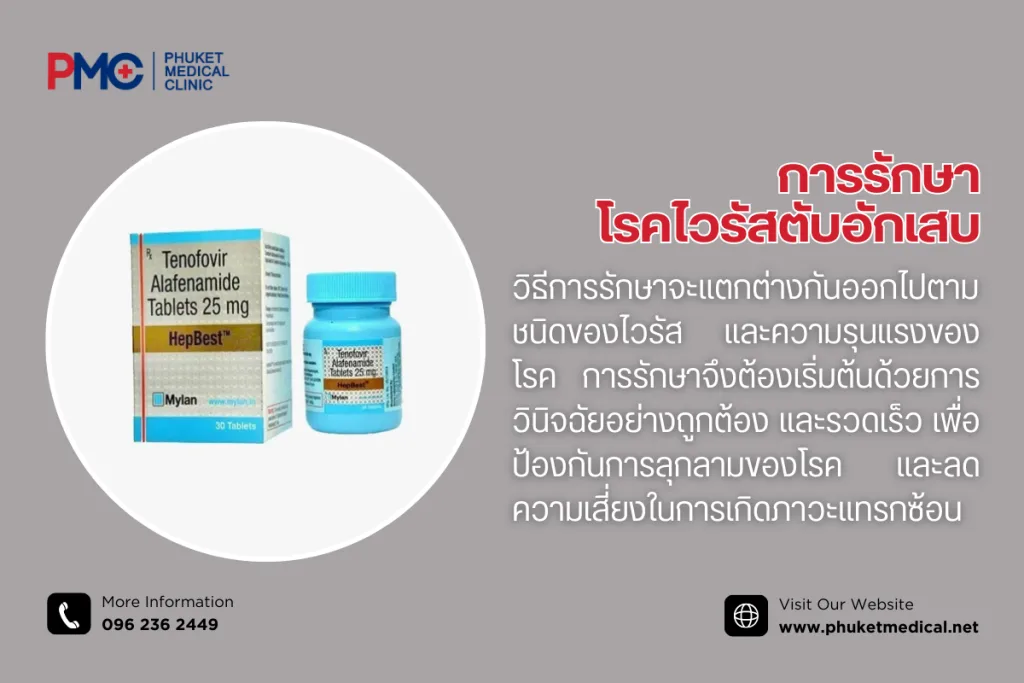
Hepatitis is a disease related to a viral infection that affects the functioning of the liver. The treatment method will vary depending on the type of virus and the severity of the disease. Therefore, treatment must begin with a correct and rapid diagnosis to prevent the spread of the disease and reduce the risk of complications.
Treatment will depend on the type of virus and the severity of the infection. It is divided into the following steps:
Treatment by type of virus
- Hepatitis A: Most treatment is symptomatic because this disease usually goes away on its own within 1-2 months. Doctors will recommend that patients get plenty of rest, eat nutritious foods, and avoid alcohol.
- Hepatitis B: In cases where there is no severe liver damage, doctors may monitor the situation by conducting blood tests periodically. However, if there is liver damage or chronic hepatitis, doctors will prescribe antiviral drugs such as Tenofovir or Entecavir to control the growth of the virus.
- Hepatitis C: Patients infected with this type of virus will receive direct-acting antiviral drugs (DAAs), which are highly effective drugs that can eliminate the virus from the body.
- Hepatitis D (Hepatitis D) Since this virus is latent with hepatitis B, treatment must be combined with management of hepatitis B using antiviral drugs.
- Hepatitis E (Hepatitis E) This disease usually does not cause severe symptoms, except in high-risk groups such as pregnant women. Treatment focuses on symptomatic care and prevention of secondary infections.
Treatment only in cases of severe infection
- Intravenous fluid administration For patients with severe infection, doctors may consider intravenous fluid administration to reduce liver function and restore the body.
- Monitoring for liver failure Some patients with liver failure may need to be treated in the intensive care unit (ICU). In cases of severe liver damage, a liver transplant may be considered.
Treatment of hepatitis depends on the type of virus and the severity of the disease. Correct diagnosis and appropriate treatment can reduce the risk of complications such as cirrhosis or liver cancer. Patients should strictly follow their doctor’s advice and take care of their overall health to prevent the disease from spreading.
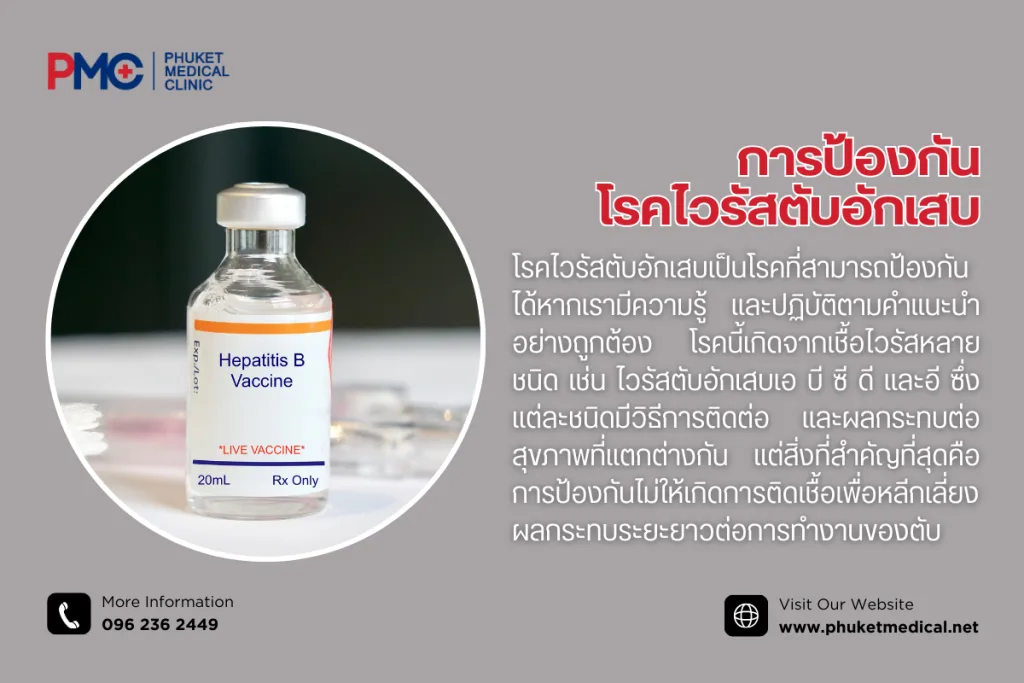
Prevention of Hepatitis
Hepatitis is a disease that can be prevented if we have knowledge and follow the correct advice. This disease is caused by many types of viruses, such as Hepatitis A, B, C, D, and E, each of which has different transmission methods and health effects. However, the most important thing is to prevent infection to avoid long-term effects on liver function.
Prevention in childhood, build immunity from the beginning
One of the most effective ways to prevent is to build immunity from childhood, which can be done by
- Vaccination against Hepatitis. Currently, there are vaccines against Hepatitis A and B, which can effectively reduce the chances of infection and the effects of the disease. Doctors will vaccinate young children from the age of 6 months and up, or adults who have never been vaccinated before.
- Strengthen children’s health. Healthy children will be able to build natural immunity against various germs well. We should promote eating nutritious food, get enough rest, and exercise appropriately.
Prevention in daily life, reduce the risk of infection
Prevention of Hepatitis can be done by changing daily behaviors to avoid contact with viruses, such as
- Maintaining cleanliness
- Wash your hands with soap and clean water every time before eating and after using the toilet
- Eat freshly cooked food and drink clean water
- Avoid eating raw or undercooked food, especially food from animals such as oysters or pork.
- Avoid sharing personal items with others. Do not share razors, nail clippers, toothbrushes or other items that may be contaminated with bodily fluids with others.
- Prevent sexually transmitted infections. Having unprotected sex can increase the risk of contracting hepatitis B and C. Using a condom every time is a way to reduce the risk.
Prevention in risk groups, health check-ups and vaccinations
- Regular health check-ups. Annual health check-ups are important because some types of hepatitis, such as hepatitis B and C, may not show symptoms in the early stages. Early detection will allow for appropriate treatment plans.
- Consult a doctor for vaccination. For those who have not received the hepatitis A and B vaccine, consult a doctor for vaccination immediately, especially in risk groups such as medical personnel, those who have to travel to areas with outbreaks, and those living in crowded communities.
Observing for abnormal symptoms
Observing for abnormal symptoms is important because some types of hepatitis, such as hepatitis B and C, may show symptoms when the disease has already progressed. Symptoms to watch out for include:
- Jaundice, yellow eyes
- Chronic fatigue
- Dark urine Or pale stool
- Loss of appetite, nausea, vomiting
If you have these symptoms, you should see a doctor immediately for diagnosis and treatment before the disease spreads and causes complications such as liver cirrhosis or cancer.
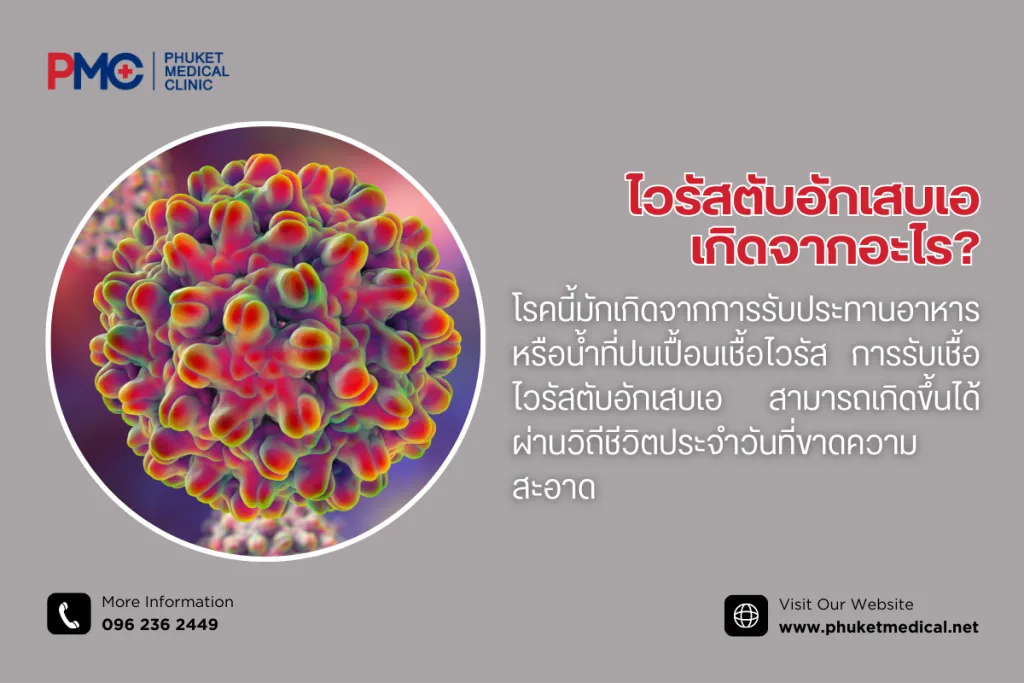
What causes hepatitis A?
Hepatitis A is a disease caused by the hepatitis A virus (HAV) which affects the functioning of the liver. This disease is usually caused by eating food or water contaminated with the virus. Infection with the hepatitis A virus can occur through a daily lifestyle that is not clean, such as:
- Eating food that is not cooked properly
- Eating food or water that has not been properly washed or filtered
- Direct contact with an infected person or sharing utensils such as spoons, forks or drinking glasses
The incubation period of the hepatitis A virus is approximately 2-4 weeks. After the virus enters the body, the patient will begin to show symptoms. Most of them have the following symptoms:
- General symptoms: Mild fever, feeling weak, unwell and loss of appetite
- Skin symptoms: There may be a rash or itching on the skin
- Digestive symptoms: Abdominal pain, diarrhea or sometimes constipation
- Musculoskeletal and joint symptoms: Muscle aches or joint pain
How to test for hepatitis A
Diagnosis of hepatitis A can be done by taking a blood test to find immunity to this type of virus. (HAV-specific Immunoglobulin Antibody), which is an accurate method and widely used in medicine.
Blood test procedure
- The doctor will take a medical history and perform a preliminary physical examination.
- Collect a blood sample to test for antibodies to the hepatitis A virus.
- If an infection is found, the doctor will assess the severity of the disease and plan further treatment.
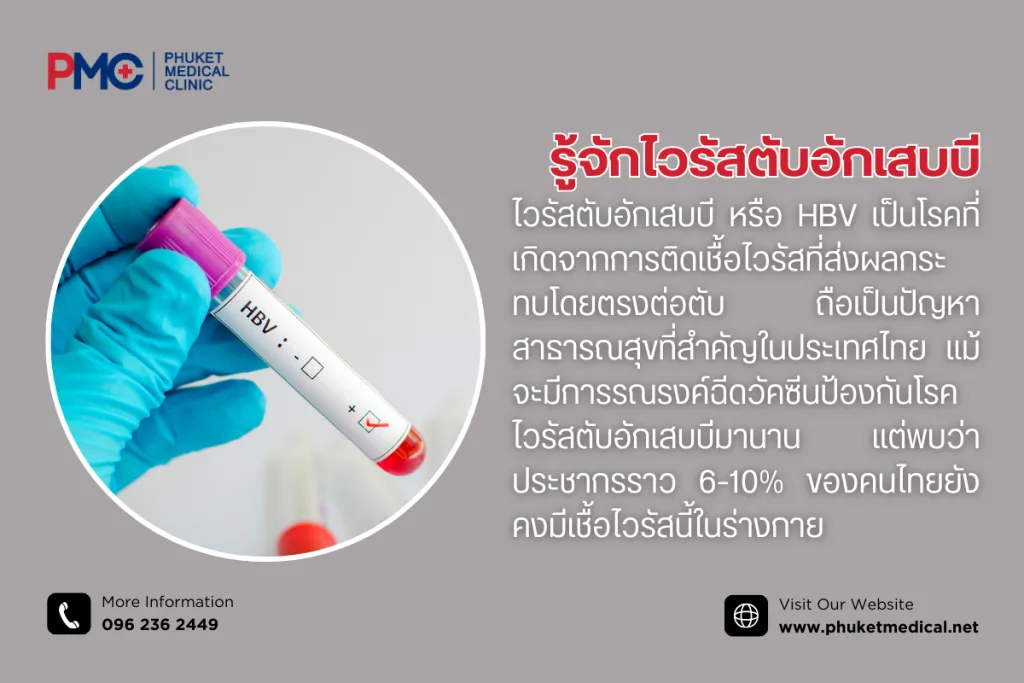
Know Hepatitis B
Hepatitis B or HBV is a viral infection that directly affects the liver. It is a major public health problem in Thailand. Although there has been a long-standing campaign to vaccinate against hepatitis B, it was found that about 6-10% of Thais still have this virus in their bodies.
The effects of hepatitis B infection can lead to severe liver disease, such as:
- Liver failure, a condition in which the liver suddenly loses function.
- Cirrhosis, a condition in which liver tissue is destroyed and liver fibrosis occurs.
- Liver cancer, the development of abnormal liver cells, which is life-threatening.
Types of hepatitis B
Hepatitis B is divided into 2 types based on the characteristics and duration of infection, as follows:
Acute hepatitis B
- This is a condition that occurs after initial infection with the hepatitis B virus, and usually resolves on its own within 6 months.
- Initial symptoms of infection in the first 2-3 months include:
- Fever
- Feeling aches and pains in the body, similar to the flu
- Loss of appetite
- After about 1 week, patients may start to have symptoms of hepatitis, such as jaundice, yellow eyes, and abnormally high liver values.
- Treatment is usually symptomatic. When the body has built up enough immunity, symptoms will improve within 2-3 weeks.
Chronic hepatitis B
- This is an infection that lasts longer than 6 months.
- It occurs when the body’s immune system cannot eliminate the virus.
- This condition can lead to more serious diseases such as cirrhosis and liver cancer if not properly treated.
Symptoms of hepatitis B
Symptoms of hepatitis B are often not obvious in the early stages, making it difficult to detect the disease by observing symptoms. In some cases, patients may not have any symptoms and are not aware that they are infected. However, common symptoms in people infected with hepatitis B include:
- General symptoms
- Joint pain
- Body aches
- Easily tired
- Symptoms related to the digestive system
- Loss of appetite
- Nausea
- Vomiting
- Specific symptoms
- Pain in the liver (upper right abdomen)
- Yellow body, yellow eyes (in cases where the liver is severely damaged)
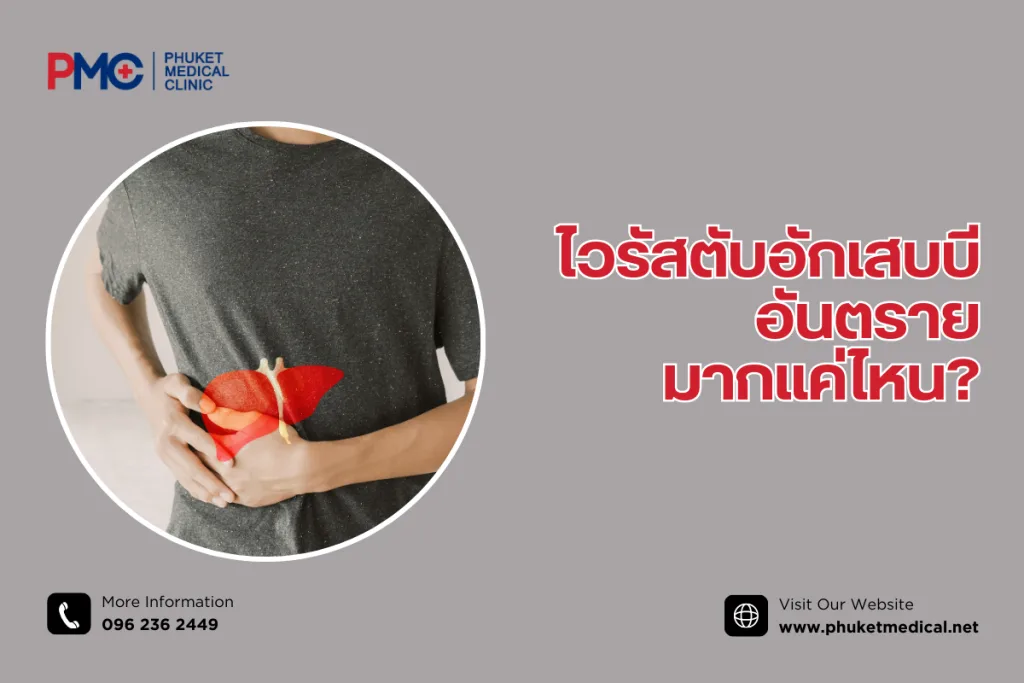
How dangerous is hepatitis B?
Hepatitis B (HBV) is a disease that can severely affect the patient’s health in the long term if not properly cared for or treated. This virus can cause chronic hepatitis and cirrhosis, which can eventually develop into liver cancer.
Statistics show that 90% of liver cancer patients have a history of hepatitis, which shows that this disease is a silent killer that seriously affects the health of Thais.
What causes hepatitis B?
The cause of hepatitis B is inflammation of liver cells caused by HBV infection. When the virus enters the body, it begins to destroy liver cells, causing liver cells to die and causing abnormal liver function.
Sources of hepatitis B infection
- Infection from mother to child. Mothers who are carriers of the virus can transmit the virus to their children during childbirth.
- Contact with secretions of infected people, such as blood, saliva, and lymph.
How is hepatitis B transmitted?
Hepatitis B can be transmitted in many ways, most of which are caused by contact with secretions contaminated with the virus, such as:
- Sharing personal items, toothbrushes, razors, and nail clippers
- Contact with blood or body fluids, such as untested blood, sharing needles, acupuncture, or tattooing
- Unprotected sex, especially with someone who has hepatitis B
Treatment for hepatitis B
Currently, hepatitis B treatment has become more advanced, reducing the severity of the disease and preventing it from spreading. The treatment method depends on the stage of the disease and the patient’s symptoms.
- General care
- Take medication as prescribed by the doctor.
- Have regular blood tests.
- Avoid using unnecessary drugs.
- Personal health care
- Avoid drinking alcohol.
- Have safe sex.
- Exercise and eat healthy.
- Health check-ups
- Have regular blood tests and liver tests to assess liver function.
Can hepatitis B be cured?
In some cases, hepatitis B can be cured, especially in patients with acute disease. However, patients with chronic disease need to receive treatment and continuous monitoring to reduce the risk of complications such as cirrhosis or liver cancer.
Treatment guidelines are divided by stage of the disease.
- In the calm stage, the doctor will check the blood test results every 3-6 months to plan treatment in case of inflammation.
- In the hepatitis stage The doctor will check the amount of virus in the body and prescribe antiviral drugs.
- In the stage of cirrhosis or liver cancer, the doctor will consider using antiviral drugs along with strict health care.
Hepatitis B is a serious disease that can be prevented if we take care of our health and get vaccinated properly. Regular health check-ups and liver tests will help detect the disease in the early stages and reduce the risk of complications that can be life-threatening.
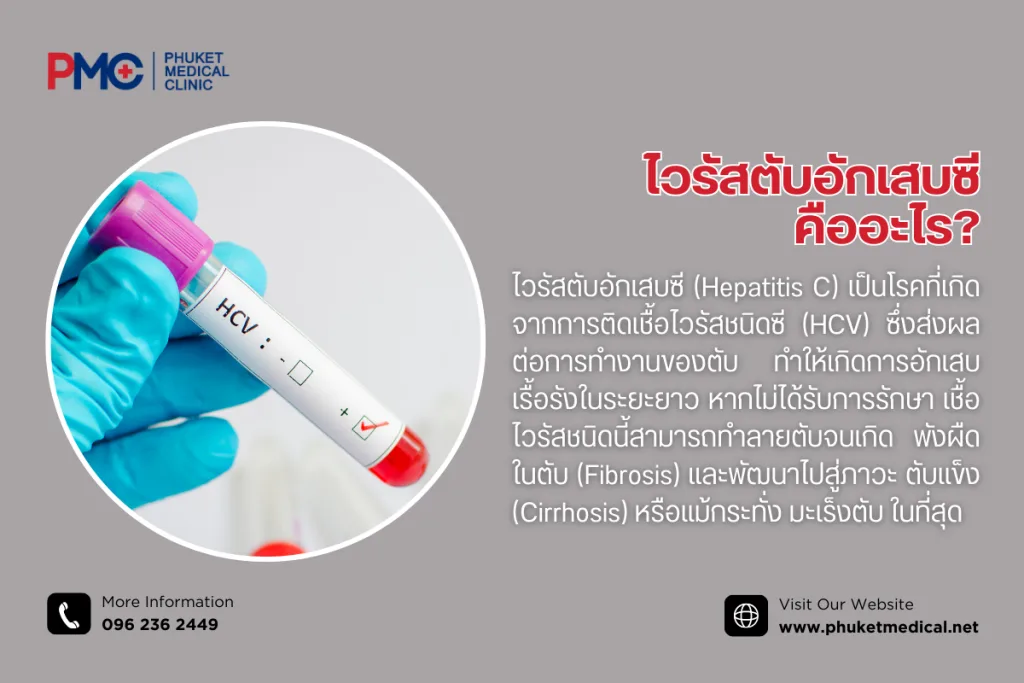
What is Hepatitis C?
Hepatitis C is a disease caused by infection with the C virus (HCV), which affects the liver’s function, causing chronic inflammation in the long term. If left untreated, this virus can destroy the liver, causing liver fibrosis (fibrosis) and eventually developing into cirrhosis (cirrhosis) or even liver cancer.
In Thailand, hepatitis C is considered a common disease in the population. Most patients do not know that they are infected because there are no obvious symptoms in the early stages. Patients usually know that they are infected from a health checkup or abnormal liver function test.
What causes hepatitis C?
Hepatitis C is spread by contact with the blood of an infected person. Common channels of infection include:
- Receiving blood or blood products Receiving blood from a donor infected with the HCV virus (currently, blood screening is much safer, greatly reducing this risk)
- Sharing injection needles, such as among drug users
- Tattooing or piercing the body Using unsterilized needles or equipment
- Direct contact with blood, such as working in a job that requires unprotected contact with blood, such as medical personnel
- Having unprotected sex This risk is lower than hepatitis B.
What is not contagious with hepatitis C?
- Hepatitis C is not transmitted through saliva, sneezing, coughing, skin contact, or breastfeeding.
Symptoms of Hepatitis C
Most people infected with hepatitis C do not have obvious symptoms in the early stages. The virus causes chronic inflammation of the liver, gradually destroying liver cells over time. If a person does start to show symptoms, they may include:
- Fatigue
- Nausea, loss of appetite
- Muscle and joint pain
- Yellowing of the skin and eyes (jaundice)
- Dark urine
- Pain in the right hypochondrium (the area where the liver is located)
Diagnosis of Hepatitis C
There are several ways to test for Hepatitis C. Doctors will choose the most appropriate method for each patient.
- Hepatitis C immunity test (Anti-HCV) is a test to see if the body has been exposed to the Hepatitis C virus.
- The amount of virus in the body (HCV RNA) is used to check if there is a current HCV infection.
- Liver function test, such as liver enzyme test (AST, ALT) to see if the liver is inflamed.
- Liver biopsy is a test used in cases where the severity of inflammation or fibrosis in the liver is needed.
Hepatitis C treatment methods
Currently, the treatment of Hepatitis C has progressed significantly, especially the use of targeted antiviral drugs (Direct-Acting Antivirals or DAAs) that are highly effective and can eliminate the virus in a short period of time.
- Specialized treatment The doctor will consider prescribing antiviral drugs based on the type of virus and the patient’s physical condition.
- Health care during treatment
- Avoid alcoholic beverages
- Eat healthy foods
- Avoid taking medications that may cause side effects on liver function
Hepatitis C Prevention
Although there is currently no vaccine for hepatitis C, you can reduce your risk by following these recommendations:
- Avoid sharing needles with others.
- Use personal items such as toothbrushes and razors.
- Use sterilized equipment for tattooing or body piercing.
- Have safe sex.
- Regular health check-ups and blood tests.
Hepatitis D
Hepatitis D or Hepatitis D Virus (HDV) is a virus that is very rare in Thailand. However, it is common in some parts of the world, such as countries in Europe, Africa, and South America. This type of virus has unique characteristics that are different from other types of hepatitis viruses because it is an incomplete virus or can be called a virus that is disabled in itself.
Characteristics of Hepatitis D
Hepatitis D virus cannot completely cause disease on its own. Instead, it relies on components of the hepatitis B virus (HBV) to divide and multiply. Therefore, hepatitis D infection usually occurs in people who are already infected with hepatitis B virus. However, if hepatitis D virus is infected with hepatitis B virus, it will result in more severe liver inflammation and increase the risk of cirrhosis and liver cancer in the future.
Hepatitis E
Hepatitis E Virus (HEV) is a new virus that has been recently identified and is much less common in Thailand than other hepatitis viruses. However, it is still a major problem in some countries, especially developing countries where people consume unclean food or water.
Characteristics of Hepatitis E
This virus can cause acute hepatitis, where patients often have symptoms of jaundice (yellowing of the skin and eyes), and these symptoms may last for 2-3 months.
Frequently Asked Questions About Hepatitis
Which type of hepatitis is the most dangerous?
There are many types of hepatitis, but the most dangerous and chronic types are Hepatitis B, Hepatitis C, and Hepatitis D. Hepatitis D, in particular, is very rare in Thailand, but if infected with Hepatitis B, it can lead to severe hepatitis.
In Thailand, the main dangers of hepatitis come from Hepatitis B and Hepatitis C. If not treated promptly, patients are at risk of developing chronic hepatitis, cirrhosis, and eventually liver cancer, which can be life-threatening.
What should I do if I have hepatitis?
If diagnosed with hepatitis, regardless of the type, the following should be done:
- Get treatment promptly. Hepatitis treatment must be under the care of a doctor. You should not buy medicine to take yourself, as it can be harmful to the body.
- Be careful not to spread the infection to others. Patients should prevent the infection from spreading to those close to them, such as avoiding sharing sharp objects such as razors, nail clippers or toothbrushes, and avoiding having sex without using condoms.
- Get regular blood tests. Patients should get blood tests as recommended by their doctor to assess their liver function and monitor the amount of virus in their body.
- Inform those around them. Informing those close to them about their hepatitis infection will help them protect themselves, such as getting vaccinated against hepatitis in those who have not been infected before.
Health care for patients with hepatitis
To prevent complications and promote good health, patients should:
- Have safe sex. Always use condoms to reduce the risk of spreading the infection and prevent other infections.
- Avoid alcohol. Drinking alcohol or alcoholic beverages increases the workload of the liver and may accelerate the development of cirrhosis.
- Choose healthy foods. Avoid foods high in fat, burnt foods or smoked meats. Eat cooked and clean foods.
- Get enough rest. Rest allows the body time to recover and strengthens the immune system.
- Exercise appropriately. Regular light exercise, such as walking, jogging or yoga, will help strengthen the body.
Hepatitis screening at Phuket Medical Clinic
Phuket Medical Clinic provides a variety of hepatitis virus screening services, such as hepatitis A (HAV), B (HBV), C (HCV) and other hepatitis viruses with modern technology and a team of expert doctors for accurate and safe diagnosis.
Hepatitis virus screening services
- Hepatitis A (HAV) test HAV antibody test (Anti-HAV IgM and IgG) to detect hepatitis A infection, which is often spread through food and water.
- Hepatitis B (HBV) test HBsAg, Anti-HBs and HBV DNA test for in-depth diagnosis to screen for hepatitis B virus spread through blood and secretions.
- Hepatitis C (HCV) test Anti-HCV and HCV RNA test to detect hepatitis C infection, which is the cause of cirrhosis and liver cancer.
- Other hepatitis virus tests Hepatitis D (HDV) and E (HEV) test as appropriate and risky.
- Consultation and follow-up services Consultation services on test results, along with treatment and prevention guidelines
Advantages of hepatitis testing at Phuket Medical Clinic
- Modern equipment and technology Using internationally certified diagnostic equipment
- A team of doctors and expert personnel Specialists in the gastrointestinal system and liver Ready to provide detailed advice
- Safe and private services Focus on the privacy of service recipients and secure data management
- A fast and accurate process Reduces waiting time for test results Ready to provide advice immediately when the results are known
- A comprehensive service that is appropriate for each individual Provide advice on tests that are appropriate for the symptoms and health history of the service recipient
If you are at risk of hepatitis, such as contact with the blood or saliva of an infected person, engaging in risky behaviors, or feeling unusual symptoms, do not hesitate to contact Phuket Medical Clinic for standard diagnostic services and advice from specialist doctors.
Read more articles
- Sexually Transmitted Diseases: Things Everyone Should Know to Stay Safe
- Liver Disease: Dangers That Often Don’t Show Symptoms and How to Deal With Them
Contact Channels
Laguna Branch
- Phuket Medical Clinic, Laguna Branch is located at 58/1, Cherngtalay Subdistrict, Thalang District, Phuket Province 83100
- Open every day, Monday – Sunday, 09.00 – 22.00 hrs.
- Inquire via Line id. @pmcphuket (with @)
- Contact number 096 236 2449
- Clinic map https://maps.app.goo.gl/SXaeLrSU9Lx47YPH6
- Book an appointment online https://pmclaguna.youcanbook.me
Branch in the city
- Phuket Medical Clinic, Phuket City Branch is located at 41/7-41/8, Talat Nuea Subdistrict, Mueang Phuket District, Phuket Province 83000
- Open every day, Monday – Sunday, 09.00 – 22.00 hrs.
- Inquire via Line id. @pmcphuket (with @)
- Contact number 096 228 2449
- Clinic map https://maps.app.goo.gl/yeU9qNArGg3qdwZw9
- Book an appointment online https://phuketmedicalclinic.youcanbook.me
Boat Lagoon Branch
- Phuket Medical Clinic Boat Lagoon Branch is located at 20/96. Moo 2, Thepkrasattri Rd., Koh Kaew Subdistrict, Mueang Phuket District, Phuket Province 83000
- Open every day, Monday – Sunday, 10.00 – 18.00 hrs.
- Inquire via Line ID. @pmcphuket (with @)
- Contact number 096 696 2449
- Clinic map https://maps.app.goo.gl/HbqfUKMEHXuKwan96
- Book an appointment online https://pmctown.youcanbook.me
If you find that you are infected with hepatitis, you should not ignore this disease because some hepatitis viruses can lead to liver cancer, which is a serious and life-threatening disease. Receiving serious and continuous treatment under the care of a doctor will reduce the risk of complications and increase the chances of having good health in the long term.
Hepatitis is a disease that can be prevented and treated if appropriate care is received from the beginning. Maintaining good health, avoiding risky behaviors, and having regular health check-ups will help reduce the risk of developing hepatitis and serious complications in the future.
Reference
- Centers for Disease Control and Prevention (CDC). Hepatitis A, B, C, D, and E – What You Need to Know. [Online] Available at: https://www.cdc.gov/hepatitis/index.htm
- National Institute of Diabetes and Digestive and Kidney Diseases (NIDDK). Viral Hepatitis: Understanding the Types and Treatments. [Online] Available at: https://www.niddk.nih.gov
- American Liver Foundation. What is Hepatitis? Types and Causes. [Online] Available at: https://www.liverfoundation.org
- กรมควบคุมโรค กระทรวงสาธารณสุข. (แนวทางการป้องกันและรักษาโรคไวรัสตับอักเสบในประเทศไทย). [ออนไลน์] เข้าถึงได้จาก: https://www.ddc.moph.go.th
- โรงพยาบาลศิริราช ปิยมหาราชการุณย์. (ข้อมูลโรคไวรัสตับอักเสบ: สาเหตุ อาการ และวิธีการป้องกัน). [ออนไลน์] เข้าถึงได้จาก: https://www.siphhospital.com