
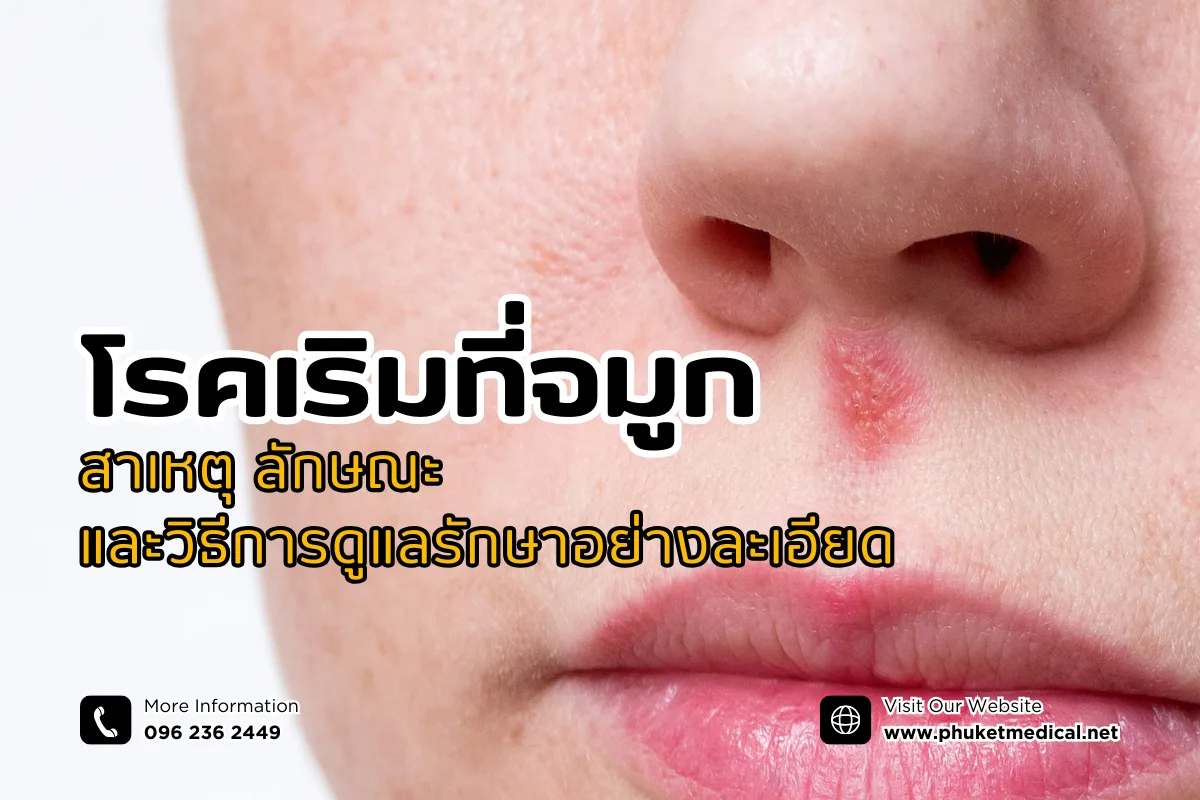
Herpes may be a name that many people associate with sexually transmitted infections, but in reality, herpes can be transmitted through direct contact with the lesions or secretions of an infected person, especially herpes on the nose, which many people may not be familiar with.
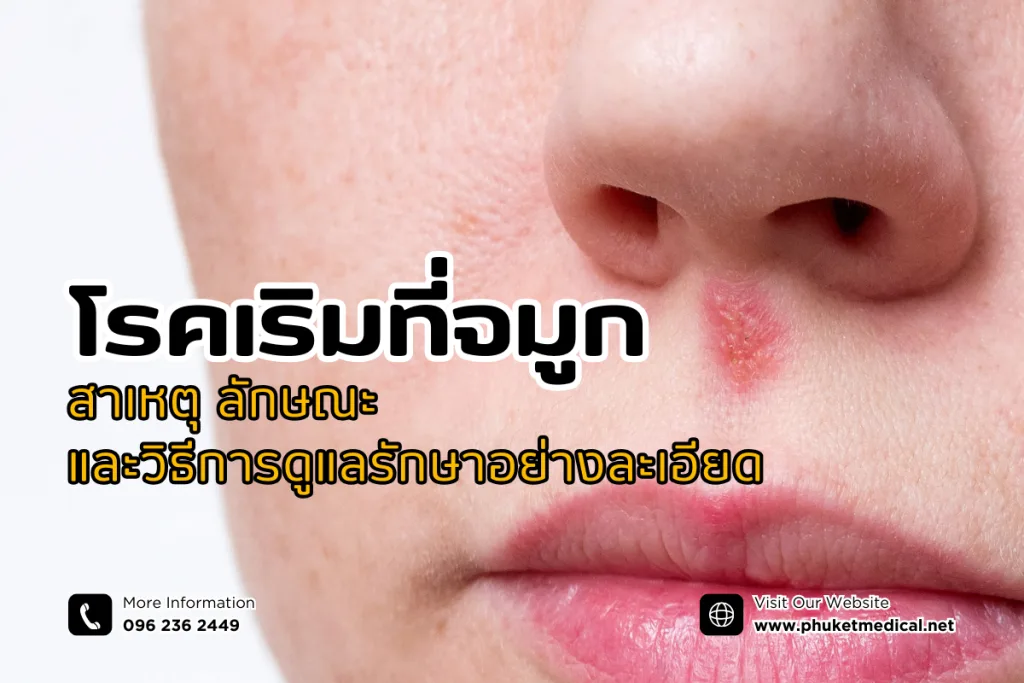
Causes of Herpes on the Nose
Herpes on the nose (Herpes) is caused by infection with the Herpes Simplex Virus (HSV). There are 2 main types of HSV that are involved in infection:
- HSV-1 is the type that is most often found in the mouth and nose.
- HSV-2 is usually associated with infection in the genitals, but in some cases, it can cause infection in other areas as well.
Routes of infection
- Direct contact with the lesions or lymph of an infected person
- Sharing objects such as spoons, forks, drinking glasses, or towels
- Drinking water or eating from the same container as an infected person
- Contact with the infection through a wound or break in the skin
- Transmission from mother to child during childbirth
In addition, people with weakened immune systems, such as those with chronic diseases, those taking immunosuppressive drugs, or those who are under a lot of stress, are more likely to get herpes on the nose than the general population.
Characteristics of herpes on the nose
Herpes on the nose can be observed from the characteristics And the following symptoms:
- Small blisters are clear blisters or have clear liquid inside. They usually occur in the nose or inside the nasal cavity.
- Blisters Over time, these blisters will burst and form shallow sores that may be accompanied by burning or itching.
- Blister distribution In some cases, blisters may occur in groups or spread to nearby areas, such as around the nose or lips.
- Complications If the infection reoccurs in the same area, the symptoms are usually less than the first time, but there will still be itching, burning, and blisters in the nearby area.
- Associated symptoms Sometimes patients may have a fever, feel tired, or have a headache due to the immune response trying to fight the virus.
Symptoms of herpes in the nose
After being infected with the herpes virus, patients usually have an incubation period of about 3-7 days, during which the virus will not yet show obvious symptoms. However, when entering the stage where the disease begins to show symptoms, the following symptoms may occur:
- Blisters are small blisters that may appear in groups or as single blisters in the nose or inside the nasal cavity. And when the blisters burst, they will become shallow wounds.
- Burning or sore symptoms Patients may feel a burning, itching, or soreness in the area where the lesion is.
- Other symptoms include low-grade fever, feeling weak, headache, body aches, and swollen lymph nodes.
- Scabbing The sores from the blisters will dry up and scab over within 2-6 weeks before disappearing.
Symptoms of recurrence
In cases where herpes on the nose recurs, symptoms tend to be less severe and less frequent, such as the size of the blisters being smaller than before, no fever or headache, and slight itching or burning in the same area.
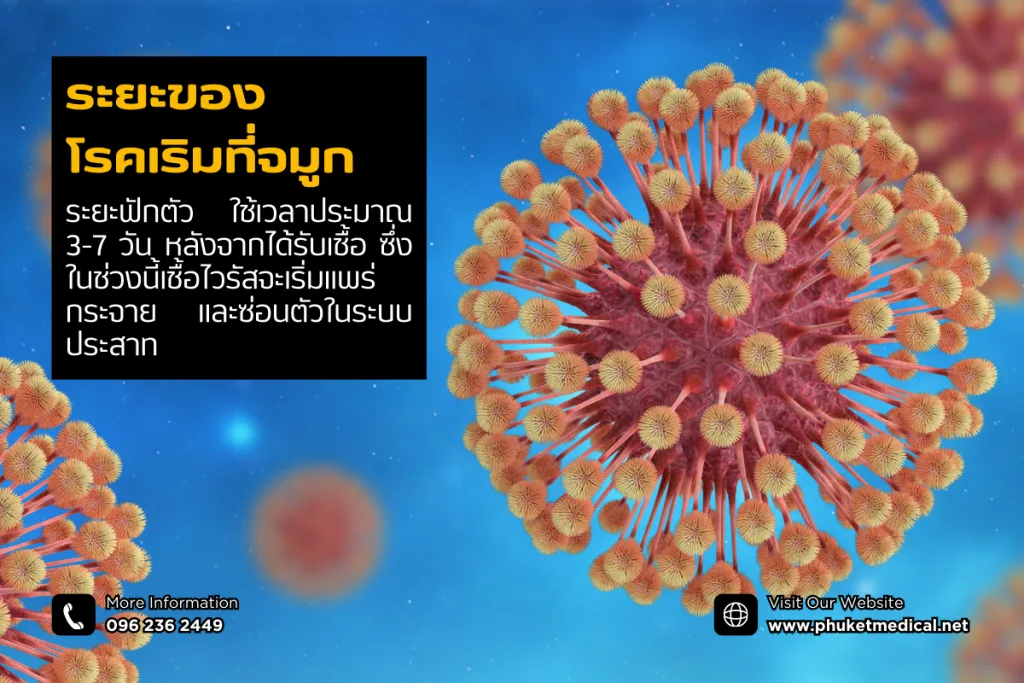
Stages of herpes on the nose
Herpes on the nose can be divided into different stages as follows:
- Incubation period: It takes about 3-7 days after infection. During this time, the virus will start to spread and hide in the nervous system.
- Symptoms: Blisters will appear with a burning sensation or pain. This stage lasts about 2-6 weeks.
- Scabbing and recovery stage: Blisters will break and become shallow sores. The sores will dry up and scab over before disappearing.
- Recurrence stage: Herpes on the nose can recur when the body’s immune system is weakened. The recurrence stage usually has fewer symptoms and takes a shorter time to heal.
Is herpes on the nose dangerous?
Herpes on the nose is generally not considered serious for healthy people. However, the risk and severity of the disease may increase in the following cases:
- Weakened immunity: People with compromised immune systems, such as people with HIV, cancer, or people taking immunosuppressive drugs, are at risk of serious complications.
- Frequent reinfections: If herpes on the nose recurs frequently, you should consult a doctor for antiviral medications to control the symptoms.
- Spread of infection The virus can spread to vital organs, such as the eyes, which can lead to serious conditions such as meningitis or keratitis.
- Risks for pregnant women If a pregnant woman is infected with herpes, the virus can be passed to her baby during birth.
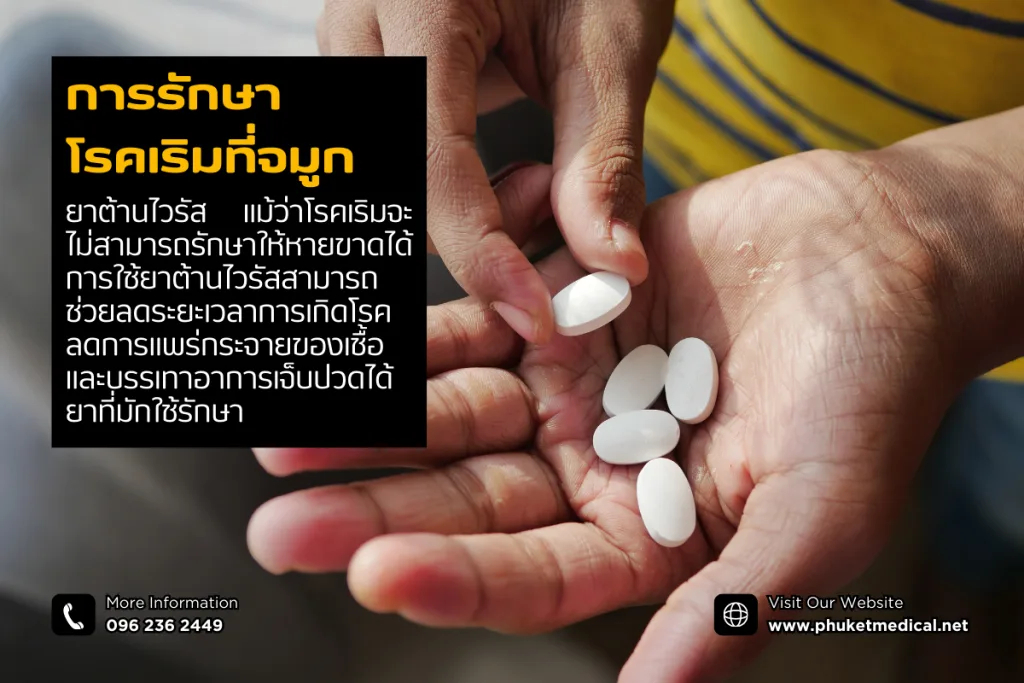
Treatment of herpes on the nose
- Antiviral Drugs Although herpes cannot be cured, taking antiviral drugs can help shorten the duration of the outbreak, reduce the spread of the virus, and relieve pain. Commonly used medications include:
- Acyclovir: An antiviral drug that shortens the duration of the outbreak. It should be taken within 48 hours of the onset of symptoms.
- Valacyclovir and Famciclovir: Drugs that effectively suppress the virus and reduce the risk of recurrence.
- Topical Antiviral Creams: Creams containing acyclovir or other antiviral agents can relieve pain and help the blisters dry up faster.
- Precautions for Use: Some antiviral drugs can cause side effects, such as nausea, dizziness, or an effect on kidney function. Therefore, patients should consult their doctor before starting to use them.
Self-care Guidelines for Patients with Herpes on the Nose
- Get enough rest and drink plenty of fluids. Rest and drinking plenty of fluids help boost the body’s immune system, making it more effective at fighting the virus and helping the sores heal faster.
- Avoid picking or scratching the blisters. Blisters caused by herpes should be avoided because they can cause inflammation. Secondary infection, such as abscess or the spread of infection to other parts of the body
- Clean the wound properly. Use sterile saline (Normal Saline) to gently wipe the wound to help reduce the accumulation of germs and help the wound dry faster. Keeping the wound clean will reduce the risk of bacterial infection.
- Relieve fever and pain. If you have fever or pain, you can take paracetamol to reduce fever and relieve headache or body aches.
- Avoid factors that make the wound worse. Avoid touching the wound with unclean hands, being in an environment that may cause the wound to become infected, or sharing personal items with others, such as handkerchiefs, drinking glasses, or makeup tools.
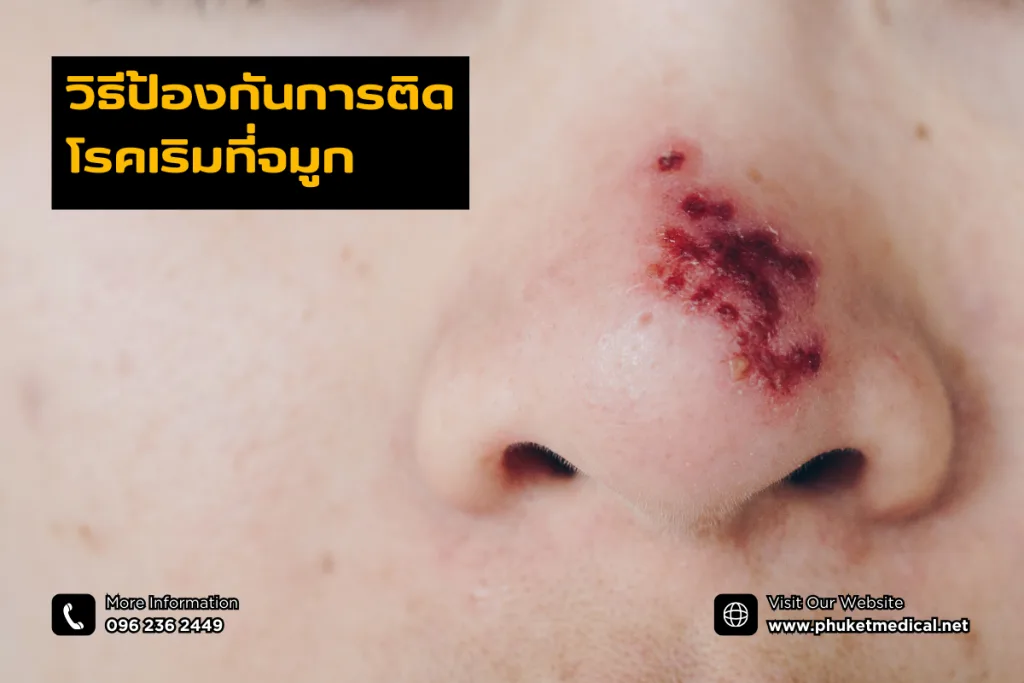
How to prevent herpes in the nose
Prevention of herpes in the nose can be done by avoiding contact with germs or contaminants, as follows:
- Avoid direct contact with the lesions, blisters or herpes sores of the patient, such as touching the broken blisters or touching the lymph that comes out of the blisters, which can allow the germs to enter the body through small wounds on the skin.
- Avoid sharing things with patients. Do not drink water or eat from the same containers, and avoid sharing handkerchiefs, towels or personal items with people who have herpes, even if they do not show symptoms.
- Be careful during the period when the patient has blisters. The period when the sores have not scabbed over is the period when the virus can easily spread. Patients should be careful not to let the sores touch others and clean the sores frequently using the appropriate method.
How to prevent the recurrence of herpes in the nose
For those who have been infected with the herpes virus in the nose, taking care of yourself to prevent recurrence can be done by:
- Strengthening the body’s immune system, eating nutritious foods such as vegetables, fresh fruits, grains and protein, drinking enough water, getting enough rest and exercising regularly to strengthen the immune system.
- Avoid triggers that may trigger a flare-up
- Stress: Accumulated stress can weaken the immune system.
- Excessive sunlight: Exposure to intense sunlight can trigger a herpes flare-up. Use sunscreen or wear a hat when outdoors.
- Illness: If you have other illnesses, seek treatment as soon as possible because the illness can weaken your immune system.
- Immunosuppressants: If you need to take these medications, consult your doctor to consider ways to reduce your risk.
- Prevent cuts or abrasions: Small cuts on your nose or face are a way for the virus to easily enter your body. Take care not to scratch them and avoid picking at them.
Check and treat herpes on your nose at Phuket Medical Clinic, Laguna Branch
Phuket Medical Clinic, Laguna Branch is a hospital that provides comprehensive services for checking and treating herpes on your mouth with international standards. Its highlights include:
- Accurate diagnosis: Examine the lesions and analyze the cause by a specialist doctor.
- Modern treatment: Use antiviral drugs and provide personalized advice to reduce symptoms and prevent recurrence.
- Fast service: No long waiting times, with a private and safe atmosphere.
- Advice for care: Provide self-care consultations. and prevention of infection
Phuket Medical Clinic, Laguna is ready to provide you with complete healthcare services and care at every step!
Read more articles
- Herpes: Causes, Symptoms, Treatment and Prevention
- Oral Herpes: Causes, Symptoms, Treatment and Prevention
Contact Channels
Laguna Branch
- Phuket Medical Clinic, Laguna Branch is located at 58/1, Cherngtalay Subdistrict, Thalang District, Phuket Province 83100
- Open every day, Monday – Sunday, 09.00 – 22.00 hrs.
- Inquire via Line id. @pmcphuket (with @)
- Contact number 096 236 2449
- Clinic map https://maps.app.goo.gl/SXaeLrSU9Lx47YPH6
- Book an appointment online https://pmclaguna.youcanbook.me
Branch in the city
- Phuket Medical Clinic, Phuket City Branch is located at 41/7-41/8, Talat Nuea Subdistrict, Mueang Phuket District, Phuket Province 83000
- Open every day, Monday – Sunday, 09.00 – 22.00 hrs.
- Inquire via Line id. @pmcphuket (with @)
- Contact number 096 228 2449
- Clinic map https://maps.app.goo.gl/yeU9qNArGg3qdwZw9
- Book an appointment online https://phuketmedicalclinic.youcanbook.me
Boat Lagoon Branch
- Phuket Medical Clinic Boat Lagoon Branch is located at 20/96. Moo 2, Thepkrasattri Rd., Koh Kaew Subdistrict, Mueang Phuket District, Phuket Province 83000
- Open every day, Monday – Sunday, 10.00 – 18.00 hrs.
- Inquire via Line ID. @pmcphuket (with @)
- Contact number 096 696 2449
- Clinic map https://maps.app.goo.gl/HbqfUKMEHXuKwan96
- Book an appointment online https://pmctown.youcanbook.me
Herpes on the nose can be prevented and self-treated by avoiding contact with the infection and strengthening the body’s immune system. Patients should keep the wound clean and prevent spreading the infection to others. If the symptoms recur frequently or occur more than 6 times a year, a doctor should be consulted for advice and appropriate additional treatment.
Reference
- Centers for Disease Control and Prevention (CDC). Genital Herpes – CDC Fact Sheet (Detailed). ข้อมูลเกี่ยวกับโรคเริม สาเหตุ การรักษา และการป้องกัน. [ออนไลน์] เข้าถึงได้จาก: https://www.cdc.gov/std/herpes/stdfact-herpes.htm
- World Health Organization (WHO). Herpes Simplex Virus. แนวทางการป้องกันและการจัดการโรคเริมจากองค์การอนามัยโลก. [ออนไลน์] เข้าถึงได้จาก: https://www.who.int/news-room/fact-sheets/detail/herpes-simplex-virus
- Mayo Clinic. Herpes Simplex: Symptoms and Treatment. บทความเกี่ยวกับโรคเริมและแนวทางการรักษา. [ออนไลน์] เข้าถึงได้จาก: https://www.mayoclinic.org/diseases-conditions/herpes-simplex/symptoms-causes/syc-20356161
- กระทรวงสาธารณสุขแห่งประเทศไทย. แนวทางการป้องกันและรักษาโรคเริม. ข้อมูลโรคเริมและคำแนะนำสำหรับประชาชน.[ออนไลน์] เข้าถึงได้จาก: http://www.moph.go.th
- Healthline. Herpes Simplex Virus (HSV): What You Should Know. อธิบายรายละเอียดเกี่ยวกับโรคเริม การป้องกัน และการดูแล.[ออนไลน์] เข้าถึงได้จาก: https://www.healthline.com/health/herpes