

HPV infection or Human Papillomavirus is another dangerous virus that should be watched out for. It is a major cause of cervical cancer and many other sexually transmitted diseases. The problem with HPV is that it is difficult to observe with the naked eye. People who are infected often do not show symptoms in the early stages. As a result, many people do not know that they have been infected until the infection develops into a severe stage, which can make treatment more difficult or dangerous, even to the point of death.

What is HPV?
HPV (Human Papilloma Virus) is a disease caused by HPV infection. This virus can cause cancer in the reproductive system, especially in women. It is one of the sexually transmitted diseases. There are more than 150 subtypes of HPV, each with different severity and effects. The most dangerous types are types 16 and 18, which are directly related to cervical cancer. HPV can also cause other diseases such as genital warts and upper respiratory tract diseases.
HPV is a disease that can be transmitted in many ways, including:
- Unprotected sex, whether oral, vaginal or anal, the virus can easily enter the body through the mucous membranes.
- Direct contact with the virus, such as touching the genitals or infected areas without protection.
- Sharing things with an infected person, although it is rare, sharing personal items such as towels or shaving tools with an infected person can be a way for the virus to spread.
Difference between HPV and HIV
Many people may be confused and misunderstand HPV and HIV because the names of the two diseases are similar. But in reality, the two diseases are completely different. Although they are both sexually transmitted diseases, they are caused by completely different viruses.
Similarities between HPV and HIV
- Both HPV and HIV are sexually transmitted diseases that can be transmitted through unprotected sex or contact with bodily fluids.
- No symptoms in the early stages People infected with HPV and HIV often have no symptoms in the early stages of infection, so diagnosis is usually made when the disease is already severe.
- Long-term health effects If left untreated, HPV can lead to cancer, while HIV weakens the body’s immune system, making it more susceptible to other infections.
Differences between HPV and HIV
- Causes of the disease
- HPV is caused by the Human Papilloma Virus, which causes diseases in the mucous membranes, such as warts or cancers in the reproductive system.
- HIV is caused by the Human Immunodeficiency Virus, which destroys the body’s immune system.
- Transmission
- HPV is transmitted through skin-to-skin contact, sexual intercourse, or contact with infected mucous membranes.
- HIV is transmitted through bodily fluids, such as blood, semen, vaginal fluid, and from mother to child.
- Effects on the body
- HPV often affects the reproductive system, causing cancer or warts in the genital area.
- HIV destroys the immune system This makes the body unable to fight germs and foreign substances.
- Treatment
- HPV has no cure, but it can be prevented by vaccination and symptomatic treatment, such as treating warts or cancer.
- HIV has no cure, but taking antiretroviral drugs (ARVs) can help stop the spread of the infection and restore the immune system.
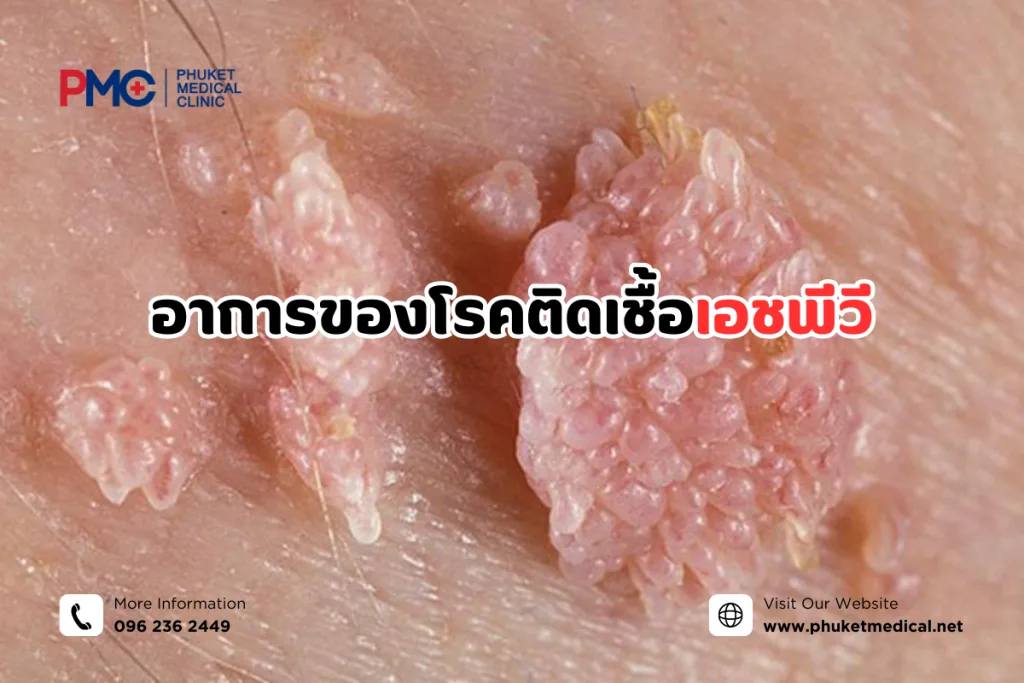
Symptoms of HPV infection
HPV infection often has no symptoms in the early stages, causing many infected people to not know that they have the virus in their body and can unknowingly spread it to others. Symptoms usually appear many years after infection. The main symptoms of HPV infection that can be found are as follows:
Condyloma Accuminata
Condyloma is a type of small skin tag or lump with an uneven surface that grows in groups or scattered around the genitals or around the anus. It can be found in both women and men. The characteristics of genital warts are as follows:
- The appearance of warts resembles cauliflower. The size or size depends on the spread of the infection.
- Location found
- Vaginal area
- Cervix
- Anus
- Genitals
- Associated symptoms
- Itching or irritation in the affected area
- Some people may feel pain or discomfort in the area.
Abnormal vaginal discharge
In women infected with HPV, symptoms related to the reproductive system may occur, such as:
- Abnormal vaginal discharge
- Amount of vaginal discharge is more than normal
- Vaginal discharge has an unusual color and odor, such as a foul odor or dark yellow
- Abnormal bleeding
- Blood in vaginal discharge
- Spotting vaginal bleeding during menstruation or after sex
- If there is an infection in the anus
- There may be a sore or a lump protruding
- Soreness or irritation in the anus
Other types of warts related to HPV
In addition to genital warts, HPV can also cause other types of warts on the body, such as
- Common warts are small, rough bumps that are commonly found on the hands, fingers, or elbows
- Flat warts are small, flat patches that can occur anywhere on the body
- Plantar warts occur on the soles of the feet or heels and are often painful when standing or walking
Severity of HPV infection
The scariest thing about HPV is that it doesn’t show symptoms for a long time. This leaves people unaware that they are at risk of serious diseases, such as:
- Cervical cancer High-risk HPV types, such as types 16 and 18, are the main cause of cervical cancer in women.
- Other cancers include anal, oral and throat cancers, or penile cancer.
- HPV infections often do not cause symptoms until they have developed into cancerous cells, making early diagnosis important.
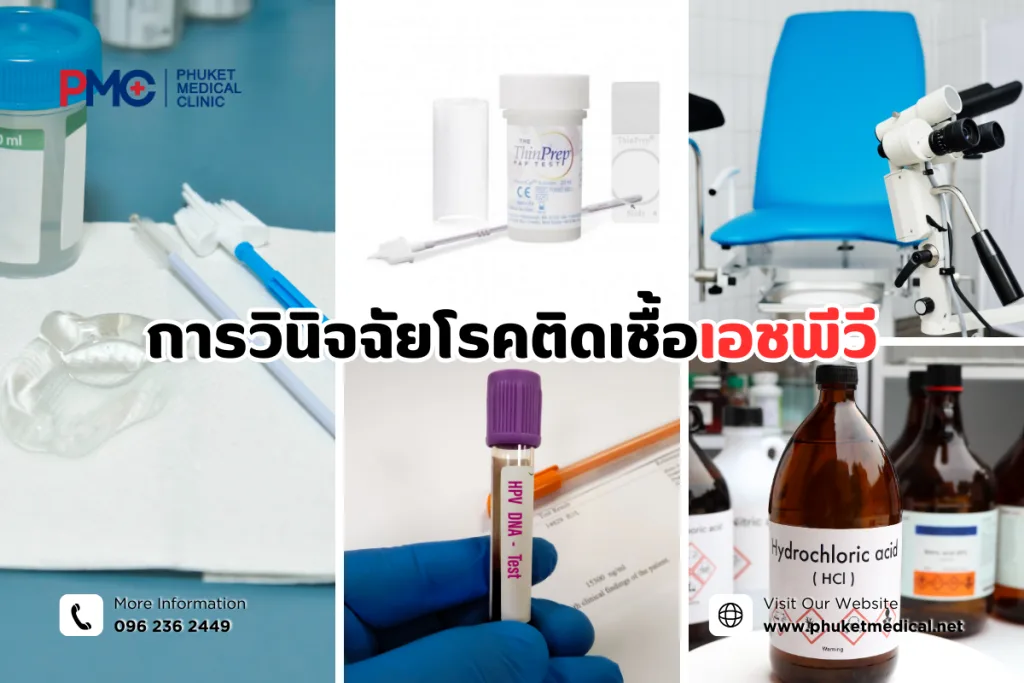
Diagnosis of HPV infection
HPV is a virus that cannot be seen with the naked eye.
Diagnosis to find HPV and assess the risk of developing diseases such as cervical cancer or related diseases therefore requires specific laboratory techniques. There are many methods of testing, each of which has its own suitability and advantages, as follows:
Pap Test
The Pap test is a standard method widely used to detect abnormalities in cervical cells, which may be caused by HPV infection. Doctors will use a specific tool to collect a sample of cervical cells and send them to the laboratory for testing to find abnormal cells. This method is suitable for screening women who have had sexual intercourse, especially women aged 21 and over.
ThinPrep Pap Test The ThinPrep
test is a method developed from the Pap smear test. It is more accurate and can detect abnormalities better. The doctor will collect a sample of cervical cells with a specific device and prepare them in a suitable solution before sending them to the laboratory for testing. This method reduces the chances of the cell sample being contaminated or damaged, making the test results more reliable.
HPV DNA Test
This method is a test to directly find the genetic material (DNA) of HPV. The doctor will collect a sample of cells from the cervix or genitals to send for HPV DNA testing. This method is very accurate and can identify whether it is a strain that has a high risk of causing cancer or not. The HPV DNA test is often recommended in conjunction with the Pap smear for women aged 30 and over or those who have risk factors for HPV infection.
Colposcopy
is a test to find abnormal tissue in the cervix using a small, high-powered colposcope. The doctor will insert the camera into the vagina to look for changed or abnormal tissue characteristics. This method is suitable for those who have abnormalities detected from the Pap smear or HPV DNA test and want a more in-depth examination to confirm the results.
Acetic Acid Solution Test
This test uses an acetic acid solution to react with abnormal cervical cells. When the abnormal cervical cells come into contact with acetic acid, the area will turn white, making it easy for the doctor to see the abnormalities. This method is often used in conjunction with the colposcopy test to examine the tissue in detail.
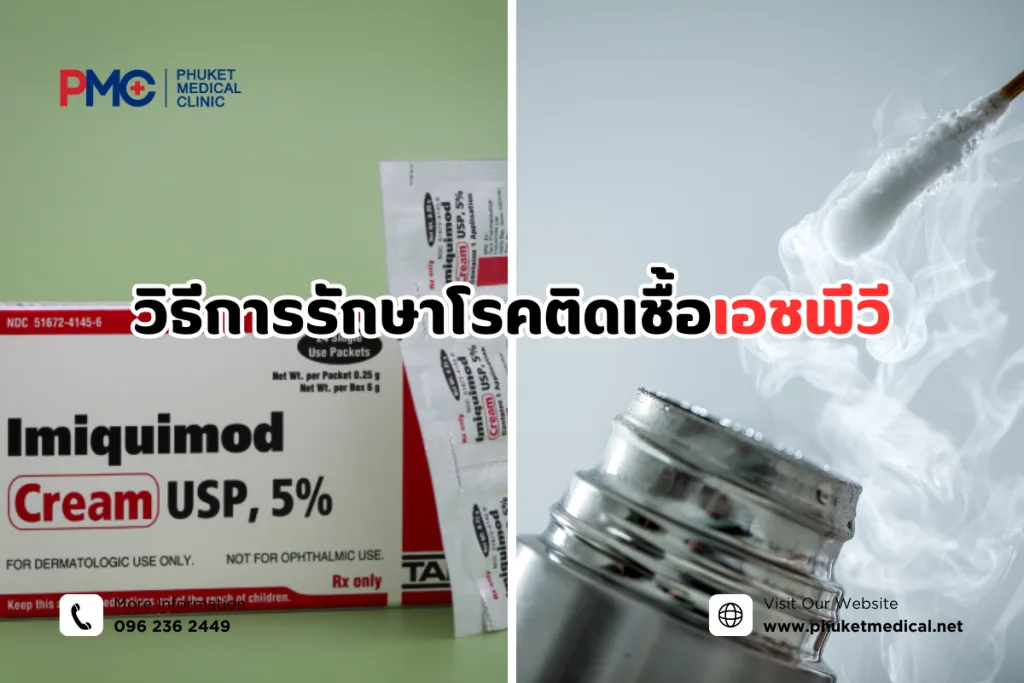
How to treat HPV infection
HPV is a common virus in the sexually transmitted diseases group. Although there is currently no cure for HPV, maintaining good health can help the body eliminate HPV on its own in some cases. This process may take about 2 years, depending on each person’s immunity. However, for those with weak bodies, HPV may develop into abnormal cell changes and eventually lead to cancer. This process usually takes up to 10-15 years.
- Diagnosis and confirmation of infection Diagnosis for HPV is important to help doctors plan appropriate treatment, especially for women at high risk of cervical cancer. Women who have had sex should undergo regular cervical cancer screenings.
- Cervical cancer screening Married or sexually active women should undergo regular cervical cancer screenings, such as Pap smears or HPV DNA tests, especially women over 30 years of age or those with risk factors for HPV infection.
- Follow-up and health care
- Women under 30 years of age, if they are not at risk of developing the disease, may not need to undergo continuous HPV testing.
- Women over the age of 30 should have an annual checkup to assess their risk and monitor for abnormal cells that may develop into cervical cancer.
- Men: Although HPV is associated with cervical cancer in women, men are also at risk of developing related diseases such as penile cancer, anal cancer, or genital warts, especially among homosexual men. Screening and monitoring for these diseases are also important.
- Treatment of HPV symptoms: If a patient has symptoms such as genital warts or lesions on the genitals, the doctor may consider using local treatments such as topical medications such as imiquimod, cryotherapy, or surgery to remove abnormal tissue.
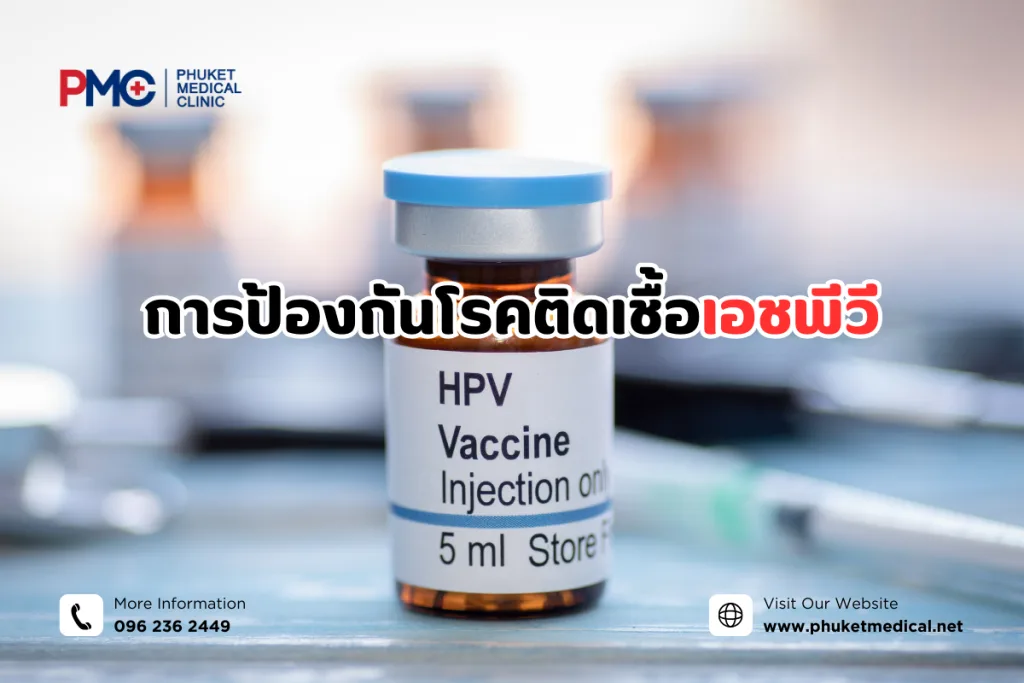
HPV Prevention
HPV prevention is something that everyone should be aware of because HPV is one of the most common sexually transmitted diseases and is a major cause of cervical cancer in women, as well as other diseases related to the reproductive system. Prevention can effectively reduce the risk of infection and possible complications, as follows:
Maintain good health. Good health is an important factor that helps the body fight and prevent HPV infection better. Eating a healthy diet, exercising regularly, and getting enough rest will help strengthen the body’s immune system to be strong enough to fight the virus.
Have safe sex
- Use a condom. Using a condom during sex can reduce the risk of HPV infection to some extent, although it cannot prevent 100% because HPV can be spread through direct skin-to-skin contact.
- Cleanliness of the genitals. Men should always keep the foreskin clean because this area can easily be a source of virus accumulation. Women who are infected should avoid having sex until they are fully recovered.
Avoid risk factors that increase the chance of infection.
- Smoking. Smoking affects the immune system and increases the risk of cancers related to HPV infection.
- Long-term use of birth control pills. Using birth control pills for a long time may increase the risk of cervical cancer.
- Frequent Pregnancy: Women who have been pregnant more than three times are at increased risk of developing HPV-related cancers.
HPV Vaccination: The HPV vaccine is the most effective way to reduce the risk of infection and related complications, such as cervical cancer, anal cancer, and genital warts.
The best time to get vaccinated: The HPV vaccine should be given at age 9, especially between the ages of 9 and 14, when the body can build up its immunity best. The World Health Organization (WHO) recommends starting the vaccine at this age to prevent infection before becoming sexually active.
Vaccination Details: The HPV vaccine requires a total of 3 injections to provide comprehensive and long-lasting immunity.
- The first injection is given as the first injection.
- The second injection is given 1-2 months after the first injection.
- The third injection is given approximately 6 months after the second injection.
Benefits of the vaccine: The HPV vaccine is effective in protecting against infection from the types that cause cervical cancer (types 16 and 18) and the types that cause genital warts (types 6 and 11).

Frequently Asked Questions About HPV Infection
Causes of HPV Infection
HPV infection is one of the major causes of cervical cancer. According to the data, approximately 70% of cervical cancer cases are caused by the HPV virus. This disease is one of the most common sexually transmitted diseases in the world. The main cause is usually from having sex with someone who has HPV or from skin-to-skin contact with scratches or wounds. The virus enters the body and can remain dormant in the body for a long time.
- Sexual Infection Unprotected sex is an important channel for HPV infection in both men and women.
- Skin-to-skin contact, contact with scratches or wounds on the skin that have HPV can cause infection.
- Transmission from mother to child Pregnant women who are infected with HPV can transmit the virus to their baby during birth through the vagina, although this is rare.
For people infected with HPV, the virus can remain in the body for up to 12 months. In cases where the body has a strong immune system, the virus will disappear on its own within 2 years. However, if the body is weak, HPV can develop into cell changes that can lead to cancer in the future.
Transmission of HPV
HPV can be spread in many ways.
- Sexual intercourse is the main way of infection, whether through the vagina, anus or mouth.
- Direct skin contact, if there is a wound or scratch.
- Infection in newborns In some cases, newborns may be infected with HPV during birth if the mother has HPV in her body.
According to the data, 95% of HPV infections can be eliminated by the body’s immunity. However, those who still have the virus in their body are at risk of developing cervical cancer in the future.
What to do if infected with HPV?
If you find any abnormalities, such as bumps or lumps in the genital area, you should see a doctor immediately. Testing to confirm HPV infection can help plan the appropriate treatment. Although there is currently no medicine that can directly kill HPV, the doctor will treat the symptoms and plan health care so that the patient can live a safe life.
Taking care of yourself when infected with HPV
- Follow the doctor’s advice. Go for screening appointments every 6-12 months to monitor symptoms.
- Stay healthy, eat healthy food, exercise regularly and get enough rest.
- Avoid risk factors, stop smoking and use condoms every time you have sex.
Complications of HPV
HPV infection can lead to serious diseases and complications, such as:
- In women, it can cause cervical cancer, vaginal cancer, anal cancer, and external genital cancer.
- In men, HPV can cause penile and anal cancer.
HPV can also cause genital warts, which are cauliflower-like growths on the genitals, which can be treated by cauliflowering or cutting off the growths.
Reducing the risk of HPV infection
- Do not have frequent sexual partners, reducing the chance of infection from an infected partner.
- Use condoms. Although it is not 100% effective, it can significantly reduce the risk.
- Have regular health check-ups. Regular cervical cancer screening can reduce the risk and detect abnormalities early.
Following prevention guidelines and taking care of yourself properly will help reduce the risk and maintain a good quality of life.
Why do we need to get tested for HPV at Phuket Medical Clinic?
Phuket Medical Clinic provides screening services for the Human Papillomavirus (HPV) virus, which is a major cause of cervical cancer and other related health problems. The clinic has a team of doctors and modern technology to ensure that the test is safe, accurate and convenient.
HPV testing services
- A Pap smear is a test that examines cervical cells for abnormalities that may be caused by HPV infection. It is a standard method for screening for cervical cancer in women aged 21 and over.
- A specific HPV test (HPV DNA Test) uses a technique to detect DNA from high-risk HPV to help assess the risk of cervical cancer.
- A Pap smear combined with an HPV test (Co-testing) is a joint testing method that increases the accuracy of risk assessment.
- Testing services for men Testing for HPV in the genitals and anus for men at risk.
- Counseling and follow-up Follow-up services with advice from a team of doctors on prevention and health care.
Advantages of HPV testing at Phuket Medical Clinic
- Modern testing technology, using tools and testing techniques that have been certified by international standards
- A team of specialist doctors, doctors specializing in sexually transmitted diseases and gynecological diseases, ready to provide detailed consultation
- Private service, emphasizing the privacy of service recipients and keeping information safe
- Convenient, fast, full-service from diagnosis, consultation to follow-up
- Advice that is appropriate for each individual, providing advice on how to prevent and take care of your health, along with guidelines for reducing the risk of disease
HPV screening is important for preventing cervical cancer and possible complications. If you are at risk or suspect that you have HPV infection, do not hesitate to contact Phuket Medical Clinic to receive standard diagnostic services and advice from a team of specialist doctors.
Read more articles
- Sexually Transmitted Diseases: Information Everyone Should Know for Safety
- Know about genital warts: What you need to know about sexual health
Contact Channels
Laguna Branch
- Phuket Medical Clinic, Laguna Branch is located at 58/1, Cherngtalay Subdistrict, Thalang District, Phuket Province 83100
- Open every day, Monday – Sunday, 09.00 – 22.00 hrs.
- Inquire via Line id. @pmcphuket (with @)
- Contact number 096 236 2449
- Clinic map https://maps.app.goo.gl/SXaeLrSU9Lx47YPH6
- Book an appointment online https://pmclaguna.youcanbook.me
Branch in the city
- Phuket Medical Clinic, Phuket City Branch is located at 41/7-41/8, Talat Nuea Subdistrict, Mueang Phuket District, Phuket Province 83000
- Open every day, Monday – Sunday, 09.00 – 22.00 hrs.
- Inquire via Line id. @pmcphuket (with @)
- Contact number 096 228 2449
- Clinic map https://maps.app.goo.gl/yeU9qNArGg3qdwZw9
- Book an appointment online https://phuketmedicalclinic.youcanbook.me
Boat Lagoon Branch
- Phuket Medical Clinic Boat Lagoon Branch is located at 20/96. Moo 2, Thepkrasattri Rd., Koh Kaew Subdistrict, Mueang Phuket District, Phuket Province 83000
- Open every day, Monday – Sunday, 10.00 – 18.00 hrs.
- Inquire via Line ID. @pmcphuket (with @)
- Contact number 096 696 2449
- Clinic map https://maps.app.goo.gl/HbqfUKMEHXuKwan96
- Book an appointment online https://pmctown.youcanbook.me
HPV is a silent killer that can develop into serious diseases such as cervical cancer and other related cancers. Prevention and surveillance through regular health check-ups are important. Getting vaccinated against HPV and maintaining good health can effectively reduce the risk of infection and severe diseases caused by HPV infection.
Reference
- Centers for Disease Control and Prevention (CDC). Human Papillomavirus (HPV): Fact Sheets. [Online] Available at: https://www.cdc.gov/hpv
- World Health Organization (WHO). Human Papillomavirus and Cervical Cancer. [Online] Available at: https://www.who.int/news-room/fact-sheets/detail/human-papillomavirus-(hpv)-and-cervical-cancer
- American Sexual Health Association (ASHA). HPV Overview: Symptoms, Treatment, and Prevention. [Online] Available at: https://www.ashasexualhealth.or
- สถาบันมะเร็งแห่งชาติ. (ข้อมูลโรคมะเร็งปากมดลูกและการป้องกันการติดเชื้อเอชพีวี). [ออนไลน์] เข้าถึงได้จาก: https://www.nci.go.th
โรงพยาบาลศิริราช. (เอชพีวี: สาเหตุ อาการ และวิธีป้องกัน). [ออนไลน์] เข้าถึงได้จาก: https://www.siphhospital.com