
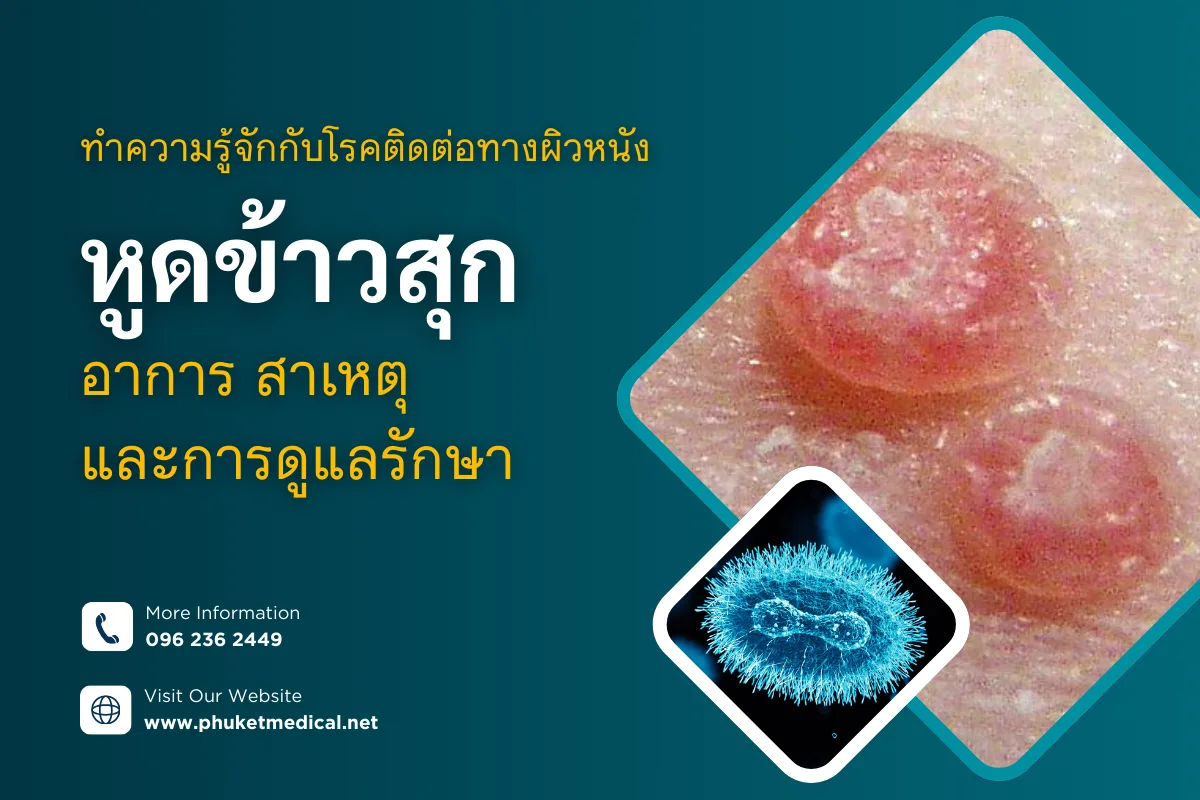
There are many types of contagious skin diseases, one of which is “Molluscum contagiosum”, which may not seem serious, but if left untreated, it can spread and continuously affect skin health. For those who start to notice pimple-like bumps or small, unique spots and suspect that it may be chickenpox, this article will help explain this disease in detail for better understanding and proper care.
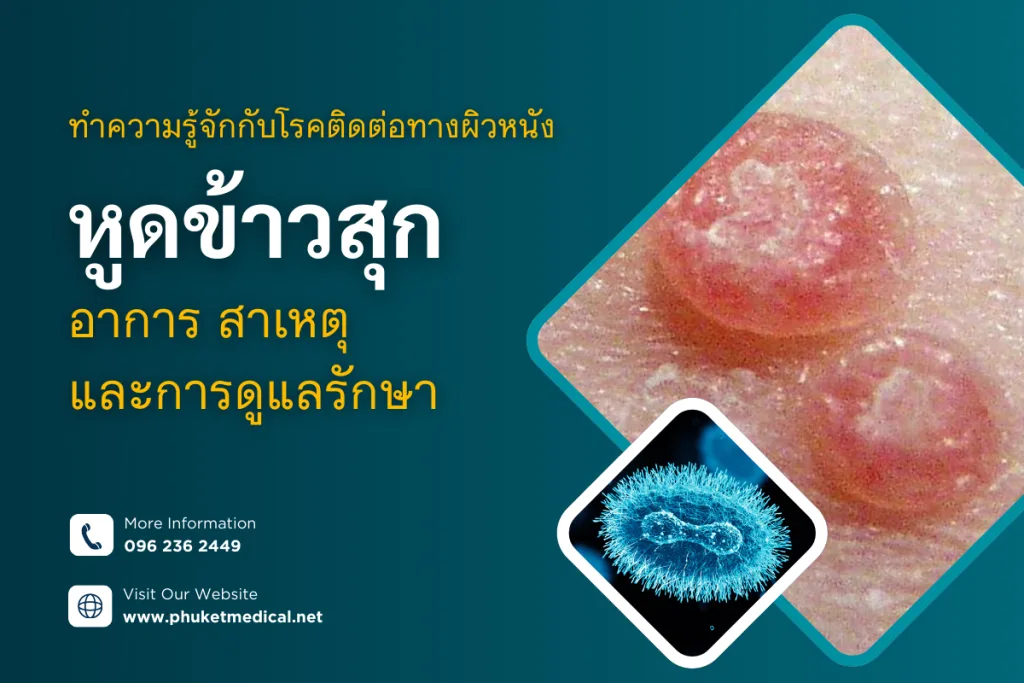
What is Molluscum Contagiosum?
Molluscum Contagiosum is a skin disease caused by infection with the Molluscum Contagiosum Virus (MCV), a virus in the Poxvirus group. This disease can be transmitted to people of all ages, especially young children and people with weak immune systems. Molluscum contagiosum appears as a white or flesh-colored bump, approximately 2-5 millimeters in size. Sometimes there is a hole in the center of the bump. There is no pain or inflammation, except in cases of secondary infection. It can occur on any part of the body, but it is more common in areas with moisture, such as the face, arms, legs, torso, and genitals.
Causes of Molluscum Contagiosum
Molluscum contagiosum is caused by infection with the Molluscum Contagiosum Virus (MCV), a member of the Poxviridae virus group. This virus infects only the outer layer of the skin and does not spread into the bloodstream. Causes and factors that facilitate infection include:
- Direct contact: The virus can be spread through contact with the lesions of an infected person, or by touching the lesions and then touching other parts of the body, causing the virus to spread to oneself.
- Sharing objects, sharing towels, clothing, or personal items with an infected person.
- Having sex: For adults The infection can be spread through contact during sexual intercourse, especially in people who do not use condoms.
- Humid environments Being in humid places such as swimming pools, public showers or fitness centers increases the chances of infection.
- Weakened immune system People with low immune systems, such as young children, the elderly, people with chronic diseases or people who take immunosuppressive drugs.
Is Molluscum Contagiosum dangerous?
Although chickenpox is easily contagious and can spread quickly, in general, this disease is not serious to health. Because this virus only affects the outer layer of the skin, it does not spread into the bloodstream. Therefore, it does not cause fatigue, aches or fever. However, the following risk factors should be watched out for:
- Spread of infection If you scratch or pick at the bumps, it may spread to other parts of the body.
- Secondary bacterial infection Picking at the bumps may cause wounds and increase the risk of bacterial infection.
- Skin effects After healing, there may be scars or skin color abnormalities in the area where the bumps used to be.
Characteristics of Molluscum Contagiosum
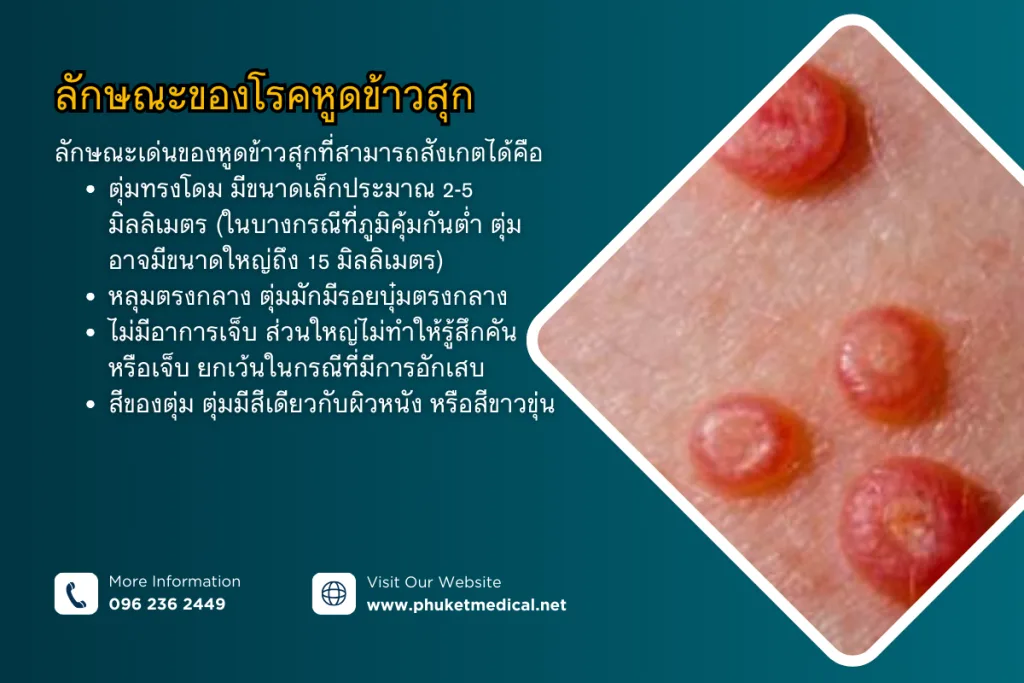
The most noticeable characteristics of chickenpox that can be observed are:
- Dome-shaped bumps, approximately 2-5 millimeters in size (in some cases where the immune system is low, the bumps can be as large as 15 millimeters)
- Pits in the center, the bumps usually have a dimple in the center
- Painless, mostly not itchy or painful, except in cases of inflammation
- Color of the bump, the bumps are the same color as the skin or milky white
Common locations
- In children, they are found on the face, arms, legs, folds, and torso
- In adults, they are often found on the genitals due to sexual transmission
Symptoms of Molluscum Contagiosum
Symptoms of chickenpox can be divided into the following order:
- Initial stage: Small red spots on the skin
- Initial symptoms often appear as small red spots that look like a rash or small, painless spots
- These spots are caused by a viral infection that stimulates the formation of bumps on the skin
- Development stage of the bump
- The red spots will gradually develop into small red bumps or bumps that are the same color as the skin
- The bumps are domed (dome-shaped) and may see a central dimple, which is a distinctive feature of chickenpox.
- The size of the bump is about 2-5 millimeters, but in people with low immunity, the bump may be larger than normal.
- The period when the bump has a thick white substance inside
- Over time, the bump will have a thick white substance inside, similar to acne without inflammation.
- If the bump is squeezed, the white substance similar to cooked rice will flow out, which is the origin of the name “chickenpox”.
- The bump can occur as a single bump or in a cluster of several bumps together.
- Location of the bump
- In children, the bumps are found scattered all over the body, such as the face, torso, arms, legs, and joints. They often occur in areas where there is friction or moist skin, such as the groin.
- In adults, the bumps often occur in areas that are sexually contacted, such as the genitals, groin, or abdomen.
Incubation period of Molluscum Contagiosum
- After infection, chickenpox has an incubation period of 2-7 weeks or up to 6 months.
- In some cases, infected people may start to have bumps after being exposed to the infection for up to half a year. This makes it important to recognize the symptoms in the early stages.
Complications of Molluscum Contagiosum
Although chickenpox is generally not life-threatening, neglect or improper care can lead to complications, especially in the following cases:
- Secondary bacterial infection If you pick, scratch or scrape the lesion by yourself, it can cause the wound to become infected with bacteria, resulting in inflammation, pus or swelling. This secondary infection can complicate the treatment process and may require antibiotics.
- Spread of infection If the lesion touches other areas of skin or does not cover the lesion, it can spread to other parts of the body, such as the face, arms, legs or genitals.
- Effects on the skin After the chickenpox heals, scarring or skin color changes in the area where the lump used to be may occur.
- Eye complications If the chickenpox occurs on the eyelid, it can cause conjunctivitis, which can affect vision in the long term if left untreated.
- Effects on people with low immunity In people with weakened immunity, such as HIV patients, chickenpox may be more severe and the lumps may be larger or more numerous than normal.
Diagnosis of Molluscum Contagiosum
Diagnosis of chickenpox can be made by a specialist doctor through the following processes:
- History taking The doctor will ask about your medical history, contact history with an infected person, or behaviors that may increase your risk of infection.
- Physical examination The doctor will examine the appearance of the bumps on your skin to differentiate between molluscum contagiosum and other skin diseases, such as genital warts, common warts, or folliculitis.
- Laboratory tests If the bumps are not obvious, the doctor may scrape a sample of skin from the lesion to examine it under a microscope. If the lesion occurs on the genitals, the doctor may perform additional tests to look for other sexually transmitted diseases, such as herpes.
Treatment for Molluscum contagiosum
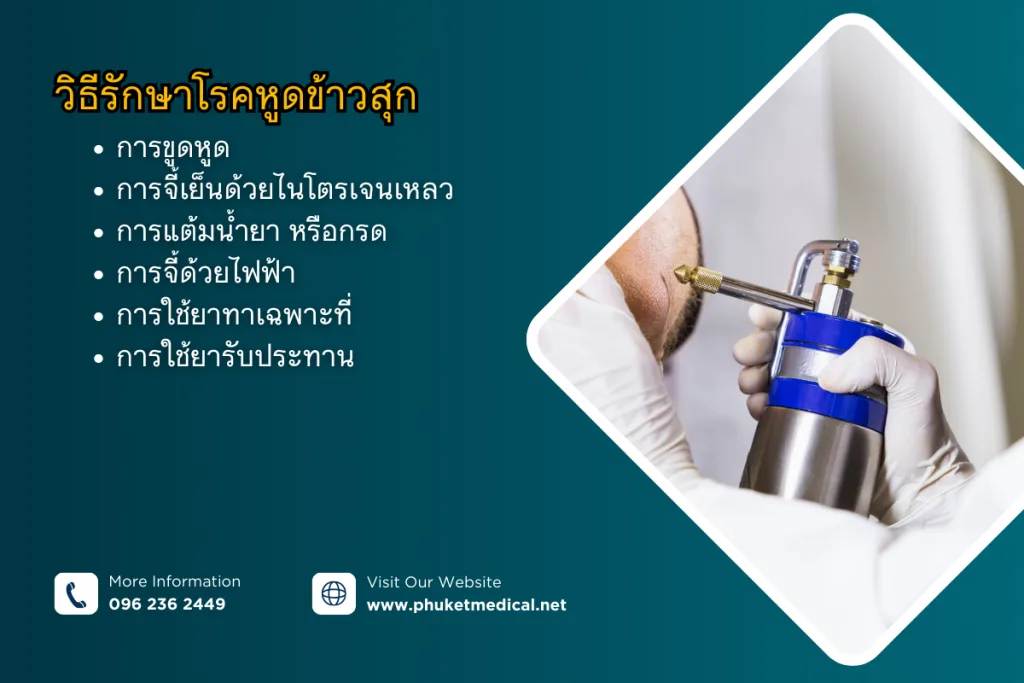
Although molluscum contagiosum can heal on its own within 6-9 months, to prevent the spread and reduce discomfort, seeking medical treatment is a better option. The most popular treatments are as follows:
- Curettage: The doctor uses a special tool to scrape off the bumps. This method is suitable for children and adults with few lesions.
- Cryotherapy: Liquid nitrogen is used to freeze the bumps to destroy infected cells. This method is suitable for bumps on the face, arms, legs, or genitals.
- Applying chemicals such as salicylic acid or trichloroacetic acid (TCA) to the bumps. This method is suitable for bumps that are not large and are not inflamed.
- Electrocautery: High-frequency electric current is used to destroy the warts. This method is suitable for adults with lesions on the genitals.
- Topical medications: Use medications that contain antimicrobial or cell-destroying agents, such as Podophyllotoxin or Imiquimod.
- Oral medications: In some cases where there are many bumps or the patient has a low immune system, the doctor may prescribe antiviral medications. Or immunostimulant drugs
Precautions
- Do not scrape or pick at the blisters yourself, as this may spread the infection and cause secondary infections.
- If a blister appears near your eye, see a doctor immediately.
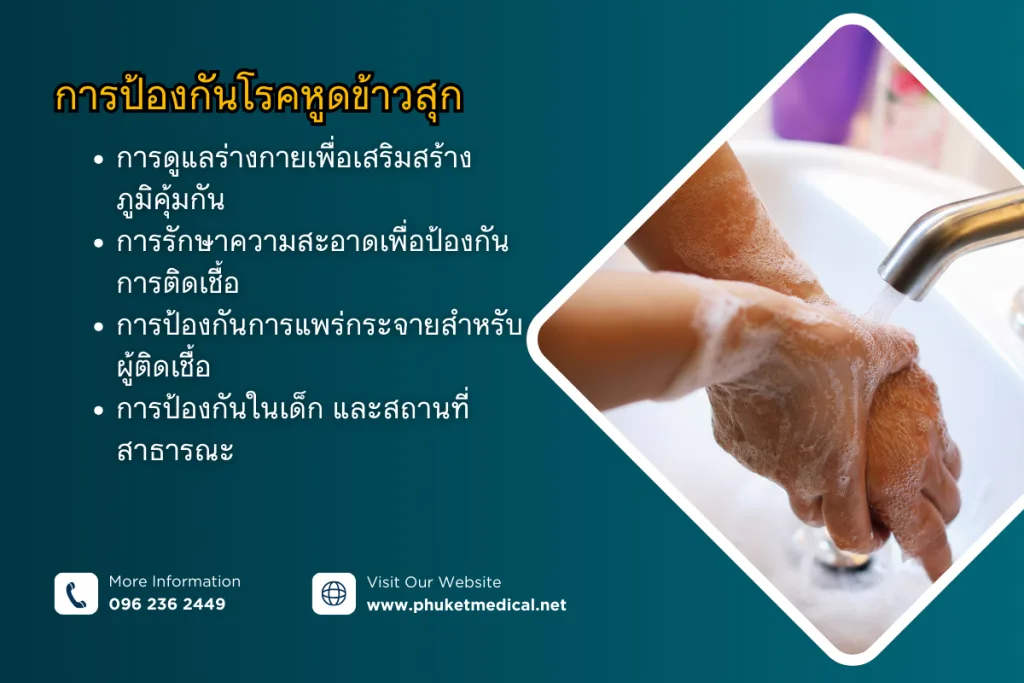
Prevention of molluscum contagiosum
Taking care of your body to strengthen your immune system
Having a strong immune system is the first line of defense against molluscum contagiosum and other infectious diseases. Therefore, you should
- Eat healthy foods, choose foods that are high in vitamins and minerals, such as vegetables, fruits, grains, and natural protein sources. Avoid foods that are high in sugar or trans fat, which can reduce the efficiency of the immune system.
- Exercise regularly. Exercise increases blood circulation and strengthens the immune system. You should exercise at least 3-5 times a week, 30 minutes each time.
- Get enough rest. Getting enough sleep (about 7-8 hours per night) allows the body to recover and fight germs better.
- Manage stress. Accumulated stress can weaken the immune system. You should find ways to relax, such as meditation or doing activities you enjoy.
Maintain cleanliness to prevent infection
Molluscum contagiosum is often spread through direct contact or through contaminated objects. Therefore, maintaining cleanliness is important.
- Wash your hands regularly. Use soap and clean water to wash your hands every time after touching common objects or before eating. If you are not comfortable washing your hands, use an alcohol gel with a concentration of at least 70%.
- Avoid touching the bumps or lesions directly. If you find that you have bumps that look like molluscum contagiosum, Avoid picking, scratching, or touching to prevent the spread of infection.
- Keep personal items separate. Do not share towels, clothes, or personal equipment with others, especially those with chickenpox. If you use shared items, such as exercise equipment, clean them before and after use.
Prevention of the spread for infected people
People with chickenpox should follow the recommendations to prevent the spread of the infection to others.
- Cover the lesion or wound with a plaster or bandage to prevent direct contact and reduce the chance of spreading the infection to other parts of the body.
- Wear clothing to cover the lesion. Choose clothing that helps cover the area with chickenpox, such as long-sleeved shirts or long pants.
- Avoid having sex. If chickenpox is found on the genitals, inner thighs, or hips, avoid having sex until it is healed.
- Wash your hands every time after touching the lesion. Use soap and clean water to wash your hands immediately after touching the chickenpox to prevent the spread of infection.
Prevention in children and public places
Children are a group at risk of chickenpox infection due to activities that may involve sharing items, such as:
- Avoid sharing swimming pools with others. If chickenpox is found, avoid using swimming pools or places with high humidity.
- Teach children to maintain cleanliness. Explain the importance of hand washing and avoid sharing common items such as towels or pillows with friends.
- Clean toys and common items. If children have chickenpox, toys that have been shared with others should be cleaned regularly.
Examination and treatment of chickenpox at Phuket Medical Clinic, Laguna Branch
Phuket Medical Clinic, Laguna Branch provides comprehensive examination and treatment of chickenpox with a team of expert doctors and modern equipment. The highlights are:
- Accurate diagnosis, medical history, physical examination, and examination using special instruments to confirm the lesion.
- Appropriate treatment uses wart scraping, electrocautery, or liquid nitrogen, and acid application, along with prescription of topical or oral medications if necessary.
- Fast and private service, no long waiting, with personalized advice to prevent recurrence.
- Aftercare, provide advice on wound care and reduce the risk of infection spreading.
Phuket Medical Clinic Laguna Branch is ready to serve you with world-class standards for good health and confidence at every step!
Read more articles
- Sexually Transmitted Diseases (STDs): Things You Should Know for Health and Prevention
- Herpes: Causes, Symptoms, Treatment and Prevention
Contact Channels
Laguna Branch
- Phuket Medical Clinic, Laguna Branch is located at 58/1, Cherngtalay Subdistrict, Thalang District, Phuket Province 83100
- Open every day, Monday – Sunday, 09.00 – 22.00 hrs.
- Inquire via Line id. @pmcphuket (with @)
- Contact number 096 236 2449
- Clinic map https://maps.app.goo.gl/SXaeLrSU9Lx47YPH6
- Book an appointment online https://pmclaguna.youcanbook.me
Branch in the city
- Phuket Medical Clinic, Phuket City Branch is located at 41/7-41/8, Talat Nuea Subdistrict, Mueang Phuket District, Phuket Province 83000
- Open every day, Monday – Sunday, 09.00 – 22.00 hrs.
- Inquire via Line id. @pmcphuket (with @)
- Contact number 096 228 2449
- Clinic map https://maps.app.goo.gl/yeU9qNArGg3qdwZw9
- Book an appointment online https://phuketmedicalclinic.youcanbook.me
Boat Lagoon Branch
- Phuket Medical Clinic Boat Lagoon Branch is located at 20/96. Moo 2, Thepkrasattri Rd., Koh Kaew Subdistrict, Mueang Phuket District, Phuket Province 83000
- Open every day, Monday – Sunday, 10.00 – 18.00 hrs.
- Inquire via Line ID. @pmcphuket (with @)
- Contact number 096 696 2449
- Clinic map https://maps.app.goo.gl/HbqfUKMEHXuKwan96
- Book an appointment online https://pmctown.youcanbook.me
Molluscum contagiosum is not a serious disease or has long-term health effects. However, care and prevention are important because the infection can spread to other parts of the body or to others if the infection is touched or scratched carelessly. In some cases, there may be complications such as bacterial infection or conjunctivitis if the bumps occur near the eyes. Therefore, being aware of the importance of prevention, correct diagnosis, and appropriate treatment will effectively reduce the risk of spreading and impacting daily life.
Reference
- Centers for Disease Control and Prevention (CDC). Molluscum Contagiosum – Causes, Symptoms, and Treatment. Comprehensive guide on Molluscum Contagiosum diagnosis and management. [ออนไลน์] เข้าถึงได้จาก https://www.cdc.gov/poxvirus/molluscum-contagiosum/
- American Academy of Dermatology (AAD). Molluscum Contagiosum: Causes and Treatments. Comprehensive information on skin infections caused by MCV. [ออนไลน์] เข้าถึงได้จาก https://www.aad.org/public/diseases/a-z/molluscum-contagiosum
- DermNet NZ. Molluscum Contagiosum Overview and Clinical Presentation. In-depth explanation on symptoms and care options. [ออนไลน์] เข้าถึงได้จาก https://dermnetnz.org/topics/molluscum-contagiosum
- กรมควบคุมโรค, กระทรวงสาธารณสุข. หูดข้าวสุก: ข้อมูลพื้นฐานเกี่ยวกับโรคติดต่อทางผิวหนัง. ให้ความรู้เกี่ยวกับสาเหตุ อาการ และวิธีดูแลรักษาโรคหูดข้าวสุกในมุมมองของหน่วยงานภาครัฐ. [ออนไลน์] เข้าถึงได้จาก http://www.ddc.moph.go.th/
- สถาบันโรคผิวหนังแห่งประเทศไทย. คู่มือการป้องกันและรักษาโรคหูดข้าวสุก. ครอบคลุมถึงการดูแลสุขภาพและแนวทางป้องกันในชีวิตประจำวัน. [ออนไลน์] เข้าถึงได้จาก https://www.thaidermatology.org