
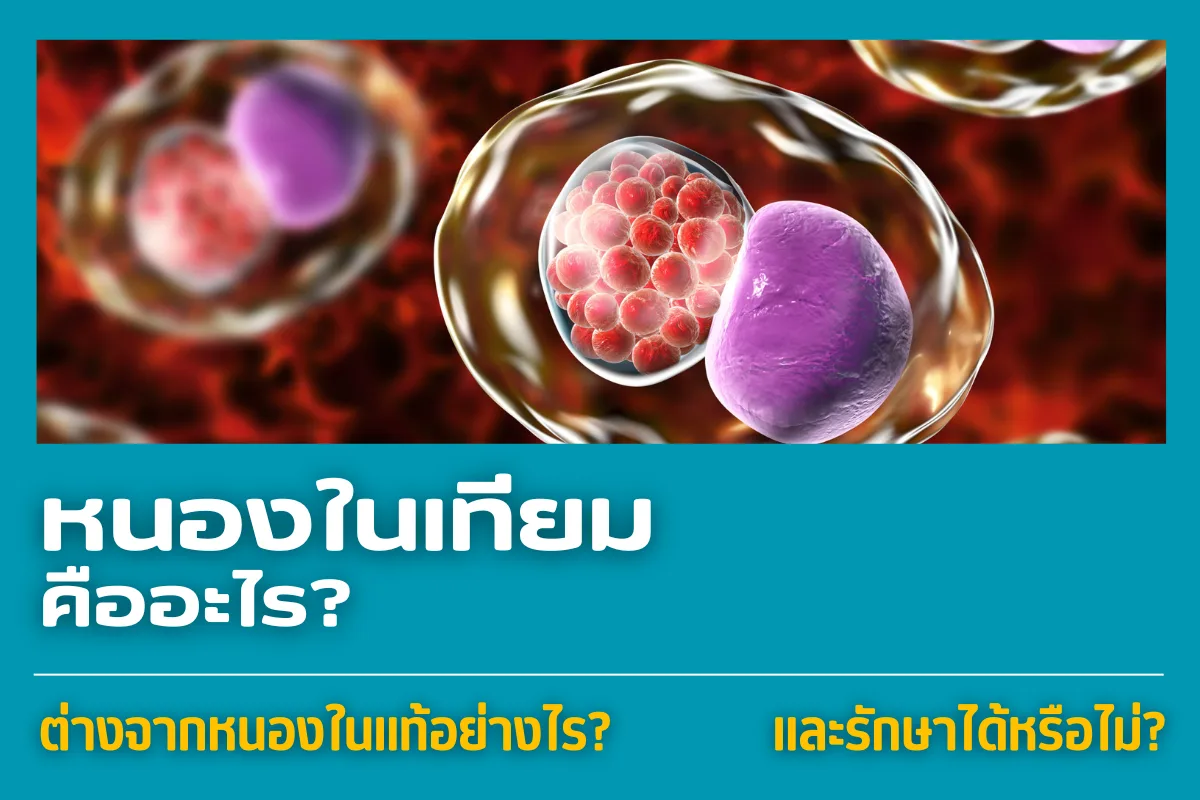
Today, sexually transmitted diseases (STDs) remain a major health problem that everyone should be aware of. One of the most common diseases that can have serious health effects if not treated properly is non-gonococcal urethritis. Although many people may be familiar with the name gonorrhea, non-gonococcal urethritis, which has similar symptoms, is often ignored, leading to the spread and long-term complications.
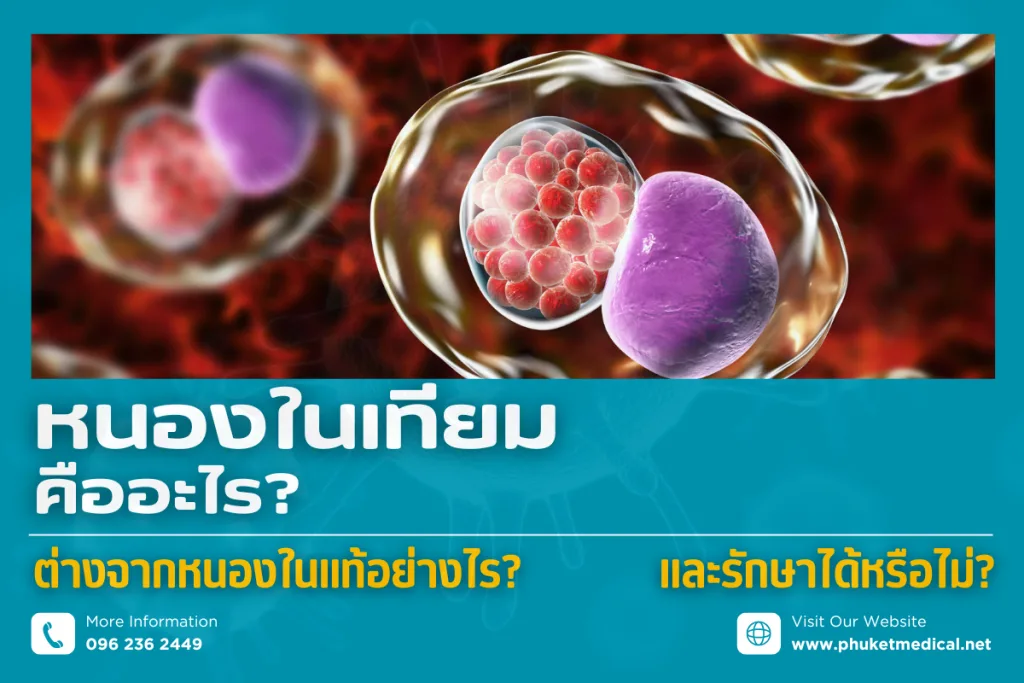
What is Non-Gonococcal Urethritis?
Non-gonococcal urethritis (NSU) is a sexually transmitted disease (STD) caused by a variety of bacteria. The most common type is Chlamydia trachomatis, which can cause inflammation of the urethra in men and the vagina or cervix in women. It is most common in people with high-risk behaviors, such as teenagers who start having unprotected sex, people who have multiple partners, or people who do not use condoms during sex.
Although the symptoms of non-gonococcal urethritis are similar to those of gonorrhea, the causes and incubation periods are different. Therefore, understanding the characteristics of both diseases, as well as prevention and treatment methods, can help reduce the risk of infection and the spread of the disease.
Causes of Non-Gonococcal Urethritis
Non-gonococcal urethritis is caused by a variety of bacteria, with the bacterium Chlamydia trachomatis being the main cause (about 40%). Other bacteria can also cause the disease, such as:
- Ureaplasma urealyticum
- Trichomonas vaginalis
Infection is usually caused by contact with the mucous membranes of the genitals, vagina, mouth, or anus during sexual intercourse. Which may or may not have ejaculation can spread the infection.
How is non-gonococcal urethritis transmitted?
- Direct contact Vaginal, oral, or anal sex with an infected person
- Sharing objects, such as sharing towels, swimming pools, bathrooms, or drinking glasses with an infected person
- Anal or oral infection People who have unprotected sex in these areas are at high risk.
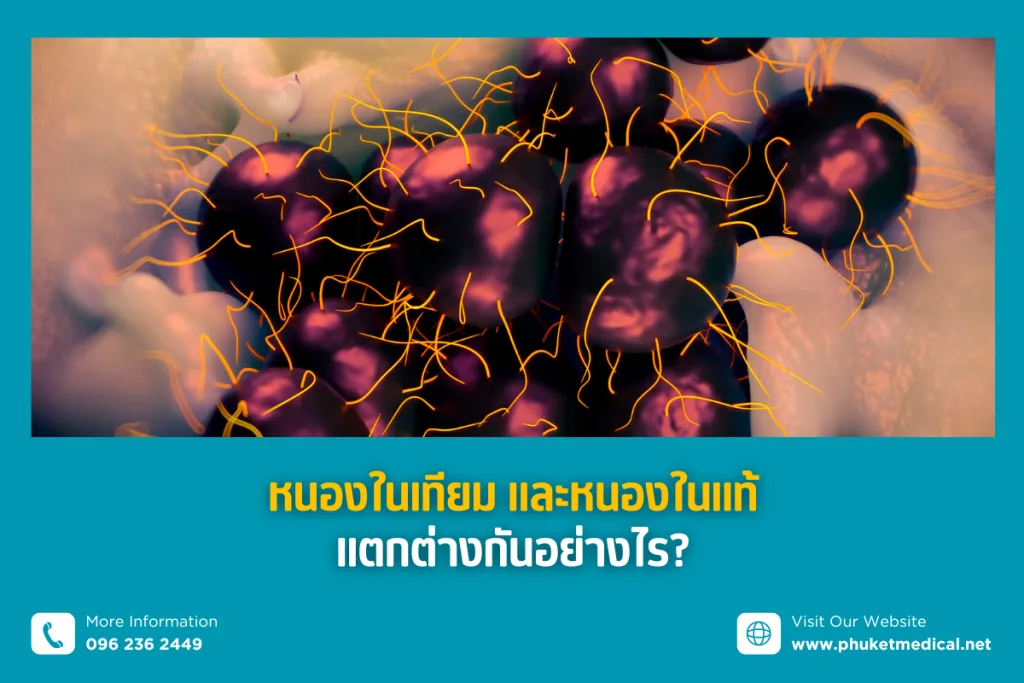
What is the difference between non-gonococcal urethritis and true gonorrhea?
Non-gonococcal urethritis and true gonorrhea have similar symptoms, such as inflammation of the urethra or genitals and abnormal discharge. However, the pathogens and specific characteristics of the two diseases are different as follows:
Non-gonococcal urethritis
- The pathogen is caused by the bacteria Neisseria gonorrhoeae, which is virulent and spreads quickly.
- The incubation period is approximately 1-10 days, with most symptoms appearing within the first 5 days.
- Symptoms
- Pusy discharge from the urethra or vagina
- Burning or painful urination
- In some cases, there may be inflammation of the mucous membranes of the cervix, fallopian tubes, rectum, or conjunctiva.
- Impact If left untreated, the infection can spread to other organs, such as the fallopian tubes in women or the vas deferens in men, which can lead to infertility.
Non-gonococcal urethritis (Non-Gonococcal Urethritis: NSU)
- The pathogen is caused by the bacterium Chlamydia trachomatis and in some cases, other bacteria such as Ureaplasma urealyticum or Mycoplasma genitalium.
- The incubation period is more than 10 days.
- Symptoms
- There is clear or cloudy pus flowing from the urethra.
- Painful urination or irritation of the genitals.
- There may be swelling and redness at the tip of the urethra.
- Impact If left untreated, the infection can spread to other reproductive organs, such as the cervix or uterus in women.

What are the differences between non-gonococcal urethritis symptoms in men and women?
Symptoms in men
Men who are infected with non-gonococcal urethritis usually show clear symptoms within 1 to 3 days after being infected. Common symptoms include:
- A cloudy white discharge or pus from the tip of the penis
- A burning sensation when urinating or a painful sensation when urinating
- Inflammation of the foreskin
- A painful or swollen testicle
- Irritation and itching around the urethra
If left untreated, the infection can spread to the testicles, which can lead to long-term infertility.
Symptoms in women
Women often do not show as obvious symptoms as men, or have milder symptoms. Common symptoms include:
- Abnormal vaginal discharge that is mucus mixed with pus and has a foul odor
- A burning sensation when urinating
- A pain in the pelvis or lower abdominal pain
- Abnormal bleeding between periods or bleeding during intercourse
- A pain or itching around the genitals
If left untreated The infection can spread to the uterus, fallopian tubes, and ovaries, leading to Pelvic Inflammatory Disease (PID), a major cause of infertility or infertility.
Symptoms in other areas
In rare cases, the infection has spread to other areas, the following symptoms may occur:
- Rectal infection, blood or pus discharge from the rectum, pain or soreness in the area
- Oral infection, sore throat, cough, or mild fever
Diagnosis of nongonococcal urethritis
When a patient suspects that they may have nongonococcal urethritis, a doctor will make a detailed diagnosis based on their symptoms, history of risky behaviors, and a thorough physical examination. The diagnostic process involves the following:
- Collection of a sample of secretions or pus. The doctor will collect a sample of secretions from the suspected area of infection, such as:
- Urine
- Secretions from the urethra in men
- Secretions from the cervix in women
- Staining and microscopy The collected sample will be stained and examined under a microscope to check for bacteria or inflammation in the tissue.
- Culture The sample of secretions will be cultured in a laboratory to confirm the type of bacteria. This process takes about 7-10 days.
- Additional examination with Chlamydial Test For cases where it is suspected that the infection is caused by Chlamydia trachomatis, the doctor may use additional specific tests, such as PCR testing, to confirm the results.
Test results and diagnosis
If it is found that it is non-gonococcal urethritis, the doctor will diagnose based on the following criteria:
- A urethral Gram stain is detected and ≥ 5 white blood cells (PMN) are found per oil field.
- A mucopurulent discharge (pus mixed with mucus) is detected in the cervix in women.
- The Chlamydial test result is positive.
When a clear diagnosis is received, the doctor will immediately begin treatment.
How to treat non-gonococcal urethritis
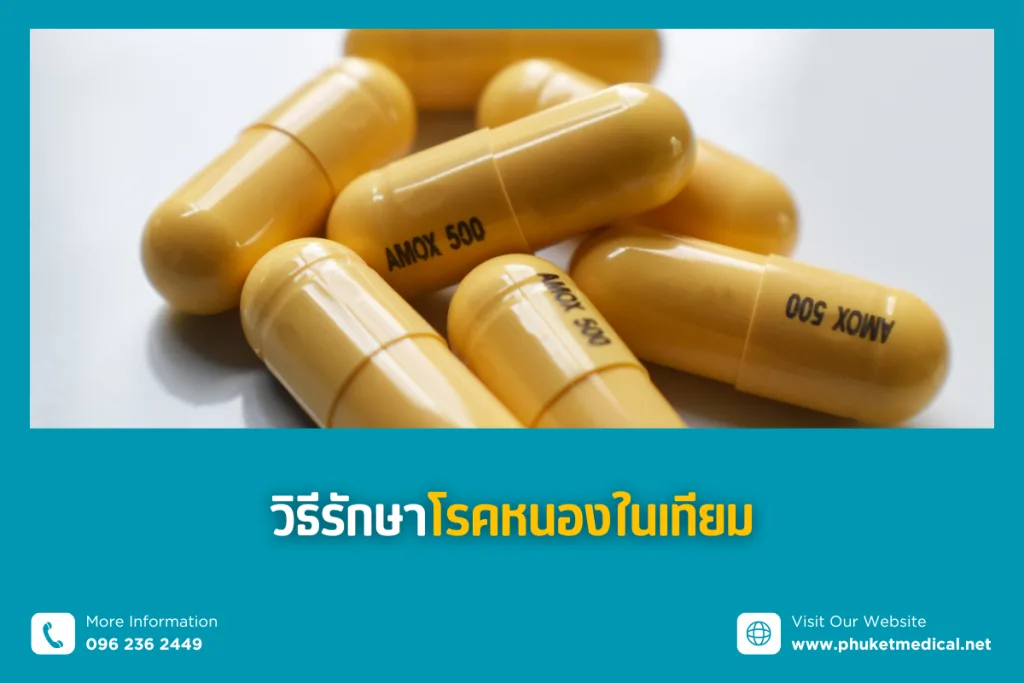
Non-gonococcal urethritis can be cured by taking antibiotics. The doctor will choose the right medication for the type of infection and the area of infection. The main groups of drugs used are as follows:
- Penicillins, such as Amoxicillin, are used to treat common bacterial infections.
- Tetracyclines, such as Doxycycline, are used in doses of 100 milligrams twice a day for 7 days, or Tetracycline, are used in doses of 250 milligrams four times a day for 21 days.
- Macrolides, such as Azithromycin, are used in doses of 1 gram taken once, 1 hour before meals, or Erythromycin, are used in doses of 500 milligrams four times a day for 21 days.
Treatment according to age group and infected organs
- Genital, rectal and throat infections Roxithromycin: 150 mg twice daily, 15 minutes before meals, for 14 days
- Children’s infections
- For children weighing less than 45 kg: Erythromycin
- For children weighing more than 45 kg or younger than 8 years: Azithromycin
- Children 8 years and older: Doxycycline
Treatment results and follow-up
- The patient’s symptoms usually improve within 1-2 weeks after starting the medication.
- The medication should be taken as prescribed by the doctor, even if the symptoms have improved.
- After treatment, you should go back for a check-up in 3 months to confirm that the infection has been completely eliminated.
- Those at risk or those who have had sex with each other within the past 6 months should be tested and treated together.
How to prevent non-gonococcal urethritis: What you should know for good health
Non-gonococcal urethritis is a sexually transmitted disease that can be prevented by practicing proper behavior and personal hygiene. Preventing the disease not only reduces the chances of infection, but also reduces the risk of complications that may arise from this disease.
Avoid risky behaviors. Having unprotected sex and risky behaviors such as having frequent sex partners or having multiple partners at the same time are factors that increase the chances of infection. The following should be done:
Avoid going out at night and promiscuous sexual behavior.
Use condoms every time you have sex, whether vaginal, oral or anal.
Do not share sex toys with others. If necessary, clean properly before and after use.
Have only one partner. Having only one stable partner reduces the risk of sexually transmitted infections.
Take your partner to get tested for STDs together to ensure that both partners are free of infection.
Use condoms even if you only have one partner.
Take care of your hygiene before and after sex. Taking care of your genitals reduces the risk of infection. The following should be done:
Drink water before sex and urinate immediately after sex.
Wash your genitals with clean water after sex.
Avoid vaginal douching, especially for women, because douching reduces the number of good bacteria in the vagina and increases the chances of infection.
Regular health check-ups and disease screenings. People at risk of infection, such as those with multiple partners or pregnant women, should be screened for non-gonococcal urethritis regularly.
For women
If you have a new partner or multiple partners, you should be screened at least once a year.
For those at high risk, you may need to be screened more than once a year or as advised by your doctor.
For men
You should have an annual sexual health check-up, especially for those with high-risk behaviors.
Refrain from having sex if you suspect that you have an infection. If you have symptoms that indicate that you may have a non-gonococcal urethritis infection, such as abnormal vaginal discharge, painful urination, or other symptoms, you should immediately refrain from having sex to prevent the spread of infection and see a doctor immediately for examination and treatment.

When You Find Out You Have Non-Gonococcal Urethritis: What to Do and How to Care for Yourself
Non-gonococcal urethritis (NGU) is a sexually transmitted disease that can be cured if treated properly. Dealing with non-gonococcal urethritis early can reduce the risk of spreading the infection and its long-term health effects. This article explains how to deal with it once you find out you have it, and how to care for yourself during treatment.
The first steps when you find out you have non-gonococcal urethritis
- Stop having sex immediately. When you suspect that you may have non-gonococcal urethritis, you should abstain from sex immediately to prevent spreading the infection to your partner.
- Seek immediate medical attention. Get tested and see your doctor immediately. If you are diagnosed with non-gonococcal urethritis, your doctor will perform a physical examination, collect a sample of your secretions for testing, and advise you on the appropriate treatment.
- Inform your partner to seek treatment. If you know you have the infection, you should inform any sexual partners you have had sex with in the past 6 months so that they can also get tested and treated together.
- Abstain from sex until you are cured. To prevent spreading or reinfecting the infection, you should abstain from sex until your symptoms have cleared up and your doctor has confirmed that the treatment has been successful.
How to care for yourself during non-gonococcal urethritis treatment
During the treatment of non-gonococcal urethritis, patients should strictly follow the doctor’s advice and take care of themselves to help reduce symptoms and prevent the spread of infection.
- Avoid all types of alcoholic beverages. Alcohol can affect the effectiveness of the antibiotics prescribed by the doctor and may also slow down the body’s recovery.
- Avoid masturbation or having sex. Masturbation and all forms of sexual intercourse should be avoided until the patient is cured to prevent the spread of infection to their partner.
- Keep the genitals clean. Clean the genital area with clean water and mild soap at least 1-2 times a day and pat dry immediately after washing.
- Do not share personal items with others, such as towels, underwear, or items that have come into contact with secretions, to prevent the spread of infection to others.
- Do not squeeze or squeeze the pus yourself. Squeezing or squeezing the pus yourself may cause inflammation or re-infection. This should be left to a specialist doctor.
- Attend your doctor’s appointments. You should see your doctor for every appointment to assess the treatment results and consult if you have any abnormalities or questions about self-care.
- Do not buy medicine to take yourself. Buying antibiotics to take yourself may lead to incorrect use of the medicine and drug resistance. You should receive medicine from a doctor and strictly follow the instructions.

Frequently Asked Questions About Non-Gonorrhea
Is Non-Gonorrhea Dangerous?
Non-Gonorrhea can be dangerous if not treated promptly, as it can cause serious complications in both men and women.
- Complications in men
- Inflammation of the glands in the urethra
- Orchitis, which can cause severe swelling and pain
- Inflammation spreads to the reproductive system, affecting the ability to have children
- Other symptoms include a rash, joint pain, and conjunctivitis (pink eye).
- Complications in women
- Urinary tract infection
- Inflammation of the cervix
- Pelvic inflammatory disease, which can lead to infertility or ectopic pregnancy.
- For pregnant women, it can affect the baby, such as eye or lung infections, premature birth, low birth weight, or miscarriage.
- Relationship to other diseases
- People with non-gonorrhea have a 2-4 times higher risk of contracting other sexually transmitted diseases, such as HIV and syphilis, than the general population.
How to choose a good clinic for non-gonorrhea treatment?
Choosing a clinic or hospital to treat non-gonococcal urethritis should take into account the reliability and expertise of the medical team. Here are some recommendations for choosing a clinic:
- Choose a clinic with a doctor who is a specialist in sexually transmitted diseases.
- Have complete diagnostic services and modern technology.
- Provide services in a private atmosphere and maintain patient confidentiality.
Can non-gonococcal urethritis be cured on its own?
There is medical information stating that 20-30% of people with non-gonococcal urethritis can recover on their own within 1-3 weeks without treatment. However, in most cases (about 60%), it will recover on its own within about 8 weeks. However, letting the disease recover on its own may increase the risk of complications and spreading the infection to others. Therefore, it is best to see a specialist for examination and treatment.
Can non-gonococcal urethritis be cured?
Non-gonococcal urethritis can be cured if treated correctly with antibiotics. The doctor will prescribe the right medication for each patient and advise strictly following the doctor’s advice, such as:
- Take the medication as prescribed by the doctor until it is finished.
- Avoid risky behaviors that may cause re-infection.
How long does it take to cure non-gonococcal urethritis?
Treatment for non-gonococcal urethritis takes approximately 14 days if diagnosed and treated correctly early on. However, in some cases where the disease has progressed or there are complications, treatment may take longer, depending on the severity of the disease and the patient’s behavior.
Non-gonococcal urethritis screening and treatment at Phuket Medical Clinic, Laguna Branch
Phuket Medical Clinic, Laguna Branch provides high-standard non-gonococcal urethritis screening and treatment, with the following advantages:
- A team of expert doctors provides consultation and treatment by doctors who specialize in sexually transmitted diseases.
- Comprehensive diagnosis using modern technology such as secretion testing, staining, and culture for accuracy.
- Privacy and safety: Testing and treatment services are provided in a private atmosphere, while strictly protecting patient information.
- Effective treatment: Use of appropriate antibiotics according to the severity of the disease, and follow-up after treatment.
Phuket Medical Clinic, Laguna Branch พร้อมให้บริการครบวงจรเพื่อสุขภาพทางเพศที่ดีและความมั่นใจของคุณ!
Read more articles
- Sexually Transmitted Diseases (STDs) Things You Should Know About Health and Prevention
- Gonorrhea: Knowledge About Causes, Symptoms, Treatment, and Prevention
Contact Channels
Laguna Branch
- Phuket Medical Clinic, Laguna Branch is located at 58/1, Cherngtalay Subdistrict, Thalang District, Phuket Province 83100
- Open every day, Monday – Sunday, 09.00 – 22.00 hrs.
- Inquire via Line id. @pmcphuket (with @)
- Contact number 096 236 2449
- Clinic map https://maps.app.goo.gl/SXaeLrSU9Lx47YPH6
- Book an appointment online https://pmclaguna.youcanbook.me
Branch in the city
- Phuket Medical Clinic, Phuket City Branch is located at 41/7-41/8, Talat Nuea Subdistrict, Mueang Phuket District, Phuket Province 83000
- Open every day, Monday – Sunday, 09.00 – 22.00 hrs.
- Inquire via Line id. @pmcphuket (with @)
- Contact number 096 228 2449
- Clinic map https://maps.app.goo.gl/yeU9qNArGg3qdwZw9
- Book an appointment online https://phuketmedicalclinic.youcanbook.me
Boat Lagoon Branch
- Phuket Medical Clinic Boat Lagoon Branch is located at 20/96. Moo 2, Thepkrasattri Rd., Koh Kaew Subdistrict, Mueang Phuket District, Phuket Province 83000
- Open every day, Monday – Sunday, 10.00 – 18.00 hrs.
- Inquire via Line ID. @pmcphuket (with @)
- Contact number 096 696 2449
- Clinic map https://maps.app.goo.gl/HbqfUKMEHXuKwan96
- Book an appointment online https://pmctown.youcanbook.me
Non-gonococcal urethritis is a sexually transmitted disease that can be prevented and completely cured. Proper behavior, such as using condoms, regular health check-ups, and strictly following your doctor’s advice, will help reduce the risk and possible impacts of this disease. If you suspect that you may have non-gonococcal urethritis, you should see a doctor immediately for proper diagnosis and treatment.
Educating yourself about non-gonococcal urethritis and taking care of yourself can help keep you and those around you safe from the disease and help you live confident, healthy lives.
Reference
- Centers for Disease Control and Prevention (CDC) Comprehensive overview on HIV testing, prevention, and management. [Online] Available at: https://www.cdc.gov/hiv/basics/testing.html
- World Health Organization (WHO) Guidelines on HIV testing and treatment approaches. [Online] Available at: https://www.who.int/publications/i/item/9789241508926
- UNAIDS Global guidelines on HIV prevention and management, including self-testing protocols. [Online] Available at: https://www.unaids.org/en/resources
- กระทรวงสาธารณสุขแห่งประเทศไทย (Ministry of Public Health, Thailand) ข้อมูลเกี่ยวกับการตรวจหาเชื้อเอชไอวีและบริการด้านสุขภาพที่เกี่ยวข้อง. [ออนไลน์] เข้าถึงได้จาก: http://www.moph.go.th
- สถาบันบำราศนราดูร (Bamrasnaradura Infectious Diseases Institute) ศูนย์บริการด้านโรคติดต่อทางเพศสัมพันธ์และเอชไอวีในประเทศไทย. [ออนไลน์] เข้าถึงได้จาก: https://www.bamras.org