
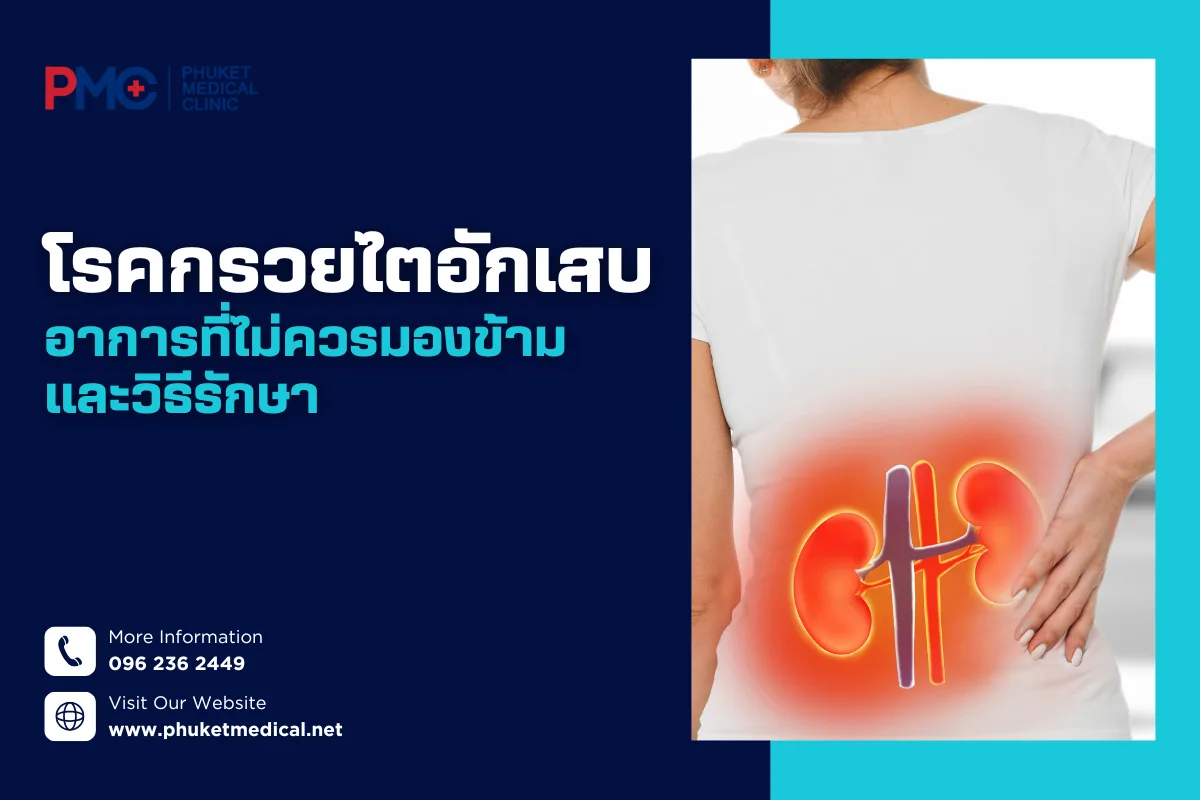
Pyelonephritis is a condition caused by a bacterial infection in the urinary tract that spreads to the renal pelvis and kidney tissue. If not treated promptly, it can lead to serious complications such as kidney failure or sepsis. Understanding the symptoms, causes, and treatment of pyelonephritis will help you take proper care of yourself or those around you.

What is Pyelonephritis?
Pyelonephritis is an inflammation of the renal pelvis and kidney tissue. It is most often caused by a bacterial infection, such as Escherichia coli (E. coli), that spreads from the bladder. This inflammation can be acute or chronic, depending on the duration and severity of the infection.
Causes of Pyelonephritis
- Urinary tract infections are caused by bacteria that enter the urinary tract and spread to the kidneys.
- Obstruction of the urinary tract, such as kidney stones, enlarged prostate in men, or stenosis of the urinary tract.
- Other risk factors include the use of a urinary catheter, pregnancy, which slows down the kidneys, or diabetes, which affects the immune system.
Symptoms of Pyelonephritis
In the acute phase
- High fever, chills
- Back or side pain
- Nausea, vomiting
- Painful urination or frequent urination
- Cloudy or foul-smelling urine
In the chronic phase
- Chronic fatigue
- Frequent urination at night
- Edema
Complications of Pyelonephritis
- Kidney damage, chronic inflammation can lead to chronic renal failure
- Bloodstream infection, bacteria can spread to other organs
- Kidney abscess, untreated infection can lead to abscess in the kidney tissue
Diagnosis of Pyelonephritis
- History and physical examination, the doctor will ask about symptoms and check for pain in the flank
- Urine test, check for bacteria, white blood cells or red blood cells in the urine
- Bacterial culture, to identify the type of bacteria and choose the appropriate antibiotic
- X-rays, such as ultrasound or CT scan, to check for kidney obstruction

Treatment of Pyelonephritis
- Antibiotics: Use drugs based on the type of bacteria, such as Quinolones or Cephalosporins. In severe cases, antibiotics may be required intravenously.
- Treatment of obstruction: If there are kidney stones or an enlarged prostate, procedures such as lithotripsy or surgery may be required.
- Supportive treatment: Drink plenty of fluids to help flush bacteria from the urinary tract, and rest to reduce the severity of symptoms.
- Hospitalization: For patients with severe symptoms, such as high fever or dehydration.
Prevention of Pyelonephritis
- Maintain good personal hygiene: Wash your hands thoroughly and keep your genitals clean.
- Drinking enough fluids helps flush bacteria from the urinary tract.
- Avoid holding urine. Holding urine for a long time can increase the risk of infection.
- Avoid using unnecessary catheters to reduce the chance of infection.
- Treat related conditions, such as kidney stones or diabetes.
Pyelonephritis screening at Phuket Medical Clinic, Laguna Branch
Phuket Medical Clinic, Laguna Branch provides diagnostic and treatment services for Pyelonephritis. (Pyelonephritis) With a team of specialist doctors and modern medical technology To ensure that patients receive appropriate treatment, reduce the risk of complications And recover quickly
Examination and diagnosis steps
- History taking and physical examination – Assess symptoms, risk factors, and location of pain
- Urinalysis & Urine Culture – To detect bacteria and white blood cells in the urine
- Blood test – To check kidney function And look for inflammation
- Ultrasound or kidney X-ray – To check for abnormalities such as kidney stones or urinary tract obstruction
Treatment guidelines
- Antibiotics – To eliminate the bacteria that cause
- Fever reducers and pain relievers – To reduce fever, chills and back pain
- Drink plenty of water – To help flush bacteria out of the body
- In severe cases, hospitalization may be required, such as intravenous antibiotics
Why check and treat pyelonephritis at Phuket Medical Clinic, Laguna branch?
- A team of specialist doctors with experience in treating urinary tract infections
- Accurate and rapid diagnosis allows for immediate appropriate treatment
- Modern medical equipment With a full range of laboratory testing services
- Holistic health care Advice on preventing recurrence
If you have symptoms that suggest pyelonephritis, you should get tested as soon as possible to prevent complications. Contact Phuket Medical Clinic Laguna Branch for consultation and services today!
Read more articles
- Solving doubts: How important is a urinary tract examination?
- Understanding hyperlipidemia: causes, symptoms, and treatment
Contact Channels
Laguna Branch
- Phuket Medical Clinic, Laguna Branch is located at 58/1, Cherngtalay Subdistrict, Thalang District, Phuket Province 83100
- Open every day, Monday – Sunday, 09.00 – 22.00 hrs.
- Inquire via Line id. @pmcphuket (with @)
- Contact number 096 236 2449
- Clinic map https://maps.app.goo.gl/SXaeLrSU9Lx47YPH6
- Book an appointment online https://pmclaguna.youcanbook.me
Branch in the city
- Phuket Medical Clinic, Phuket City Branch is located at 41/7-41/8, Talat Nuea Subdistrict, Mueang Phuket District, Phuket Province 83000
- Open every day, Monday – Sunday, 09.00 – 22.00 hrs.
- Inquire via Line id. @pmcphuket (with @)
- Contact number 096 228 2449
- Clinic map https://maps.app.goo.gl/yeU9qNArGg3qdwZw9
- Book an appointment online https://phuketmedicalclinic.youcanbook.me
Boat Lagoon Branch
- Phuket Medical Clinic Boat Lagoon Branch is located at 20/96. Moo 2, Thepkrasattri Rd., Koh Kaew Subdistrict, Mueang Phuket District, Phuket Province 83000
- Open every day, Monday – Sunday, 10.00 – 18.00 hrs.
- Inquire via Line ID. @pmcphuket (with @)
- Contact number 096 696 2449
- Clinic map https://maps.app.goo.gl/HbqfUKMEHXuKwan96
- Book an appointment online https://pmctown.youcanbook.me
Pyelonephritis is a disease that should be treated urgently to prevent serious complications. Observing symptoms and seeking treatment when abnormal symptoms occur, such as high fever, back pain, or abnormal urination, is important. In addition, prevention by taking care of hygiene and drinking plenty of water will effectively reduce the risk of disease. Good health starts with caring for and taking care of yourself every day!
Reference
- Centers for Disease Control and Prevention (CDC). (2023). Urinary Tract Infections (UTIs) and Kidney Infections (Pyelonephritis). [ออนไลน์] เข้าถึงได้จาก: https://www.cdc.gov
- National Institute of Diabetes and Digestive and Kidney Diseases (NIDDK). (2023). Pyelonephritis: Causes, Symptoms, and Treatment. [ออนไลน์] เข้าถึงได้จาก: https://www.niddk.nih.gov
- World Health Organization (WHO). (2023). Guidelines for the Prevention and Treatment of Urinary Tract Infections (UTIs) and Kidney Infections. [ออนไลน์] เข้าถึงได้จาก: https://www.who.int
- โรงพยาบาลศิริราช. (2023). ภาวะกรวยไตอักเสบ: การวินิจฉัยและแนวทางการรักษา. [ออนไลน์] เข้าถึงได้จาก: https://www.sirirajhospital.com
- สมาคมโรคไตแห่งประเทศไทย. (2023). การดูแลและป้องกันโรคไตเรื้อรังและการติดเชื้อในทางเดินปัสสาวะ. [ออนไลน์] เข้าถึงได้จาก: https://www.nephrothai.org