
Wounds can occur from accidents, surgeries, or chronic conditions such as diabetes—these are often unavoidable. However, what can be controlled is proper wound care, which helps prevent infections and accelerates healing safely. This is especially important in Phuket, a province with a high number of local residents, tourists, and elderly individuals. Quality wound care services are essential and should not be overlooked.
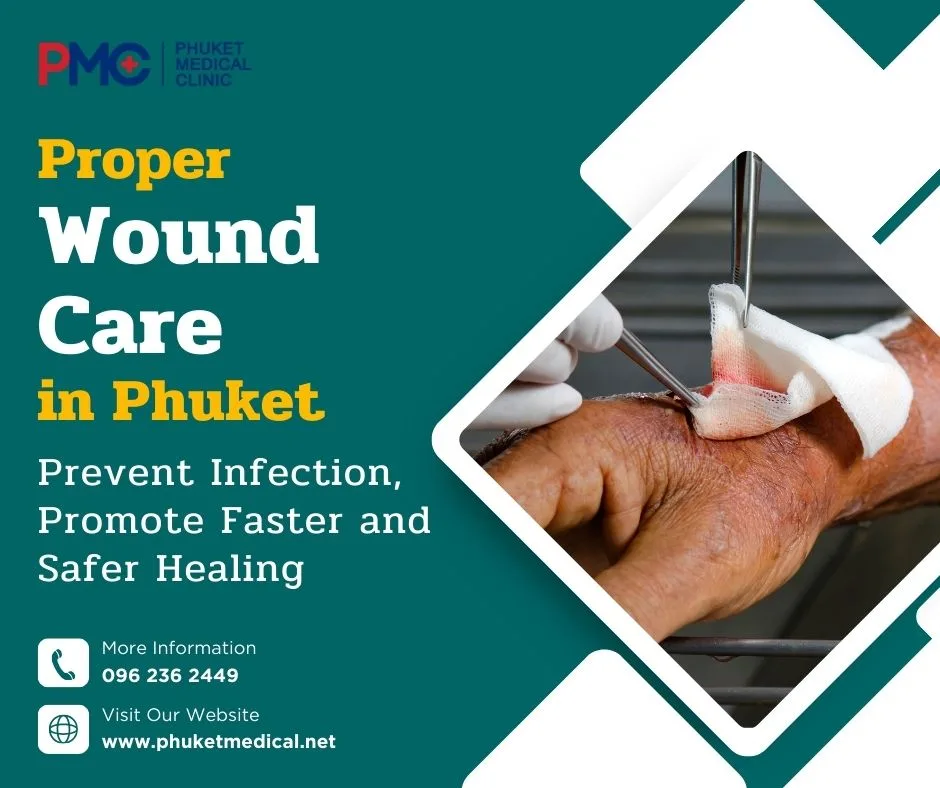
What is Wound Care?
Wound care refers to the process of treating, restoring, and preventing infections in wounds caused by accidents, surgeries, chronic illnesses, or even minor abrasions. The goal is to help wounds heal as quickly and safely as possible while avoiding complications such as infection, spreading, or long-term chronic wounds.
Effective wound care involves three key components
- Proper wound cleaning and irrigation For example, using sterile saline solution instead of harsh substances like alcohol or hydrogen peroxide.
- Selecting appropriate wound dressings Such as sterile gauze, special absorbent plasters, or transparent wound films.
- Monitoring and assessing wound progress To determine whether the wound is drying well, whether there is pus or odor, and whether medications are needed.
Effective wound care requires both medical knowledge and an understanding of the patient’s specific conditions—such as diabetes, blood circulation issues, or low immunity—which can cause delayed healing and demand specialized care.
Each Type of Wound Requires Different Care
Wound care isn’t a one-size-fits-all solution. The nature of wounds varies greatly—each type comes with different levels of severity, risk, and recovery approaches. Improper wound care can lead to worsening conditions, infections, or delayed healing.
Acute Wound
An acute wound is one that occurs suddenly and has the potential to heal within a short period if properly treated.
Examples
- Abrasions from falling
- Knife cuts
- Minor burns
- Cuts from sharp objects
Care Guidelines
- Clean the wound using sterile saline solution. Avoid harsh agents like hydrogen peroxide or alcohol.
- Cover the wound with sterile gauze or plaster to prevent contamination.
- Change the dressing daily or whenever it becomes wet or dirty.
- Monitor for signs such as pain, swelling, redness, or pus. See a doctor if these occur.
Important Note: Even small wounds can become infected if neglected, especially in areas prone to sweat or dirt.
Surgical Wound
Surgical wounds result from medical procedures, including major surgeries, abscess drainage, or cosmetic surgery.
Examples
- Abdominal surgical incisions
- Sutures from lump removal
- Facial lift or rhinoplasty wounds
- Burst abscesses or fistula incisions
Care Guidelines
- Keep the surrounding area clean and avoid getting the wound wet.
- Ensure sutures remain intact and the wound does not reopen.
- Avoid strenuous movement or stretching the wound area.
- If there’s unusual itching or discharge, consult a nurse or doctor promptly.
Important Note: Pulling or stretching the wound may require re-stitching or could cause permanent scarring. Use a wound support pad if you need to move frequently.
Chronic Wound
Chronic wounds are those that do not heal within 4–6 weeks or are delayed by factors like poor circulation, low immunity, or chronic conditions.
Examples
- Diabetic foot ulcers
- Pressure sores
- Recurrent infected wounds
- Wounds with unhealed edges
Care Guidelines
- Must be evaluated by a healthcare professional or registered nurse.
- May require specialized cleaning methods, such as sterile irrigation or debridement.
- Use special dressings like absorbent foams, antimicrobial gels, or moisture-controlled sheets.
- May require topical or systemic antibiotics if infection is severe.
Important Note: Chronic wounds require continuous monitoring and should not be self-treated without professional guidance. In some cases, like progressing diabetic wounds, improper care may lead to amputation of toes or limbs.
Summary: Wound Care by Type
| Wound Type | Healing Time | Primary Caregiver | Key Care Approach |
| Acute Wound | 1–2 weeks | Patient / General Nurse | Maintain hygiene, dress regularly |
| Surgical Wound | 1–3 weeks (varies) | Nurse / Physician | Avoid strain, prevent wound dehiscence |
| Chronic Wound | > 4 weeks | Professional Nurse / Specialist | Wound evaluation, special materials, manage comorbidities |
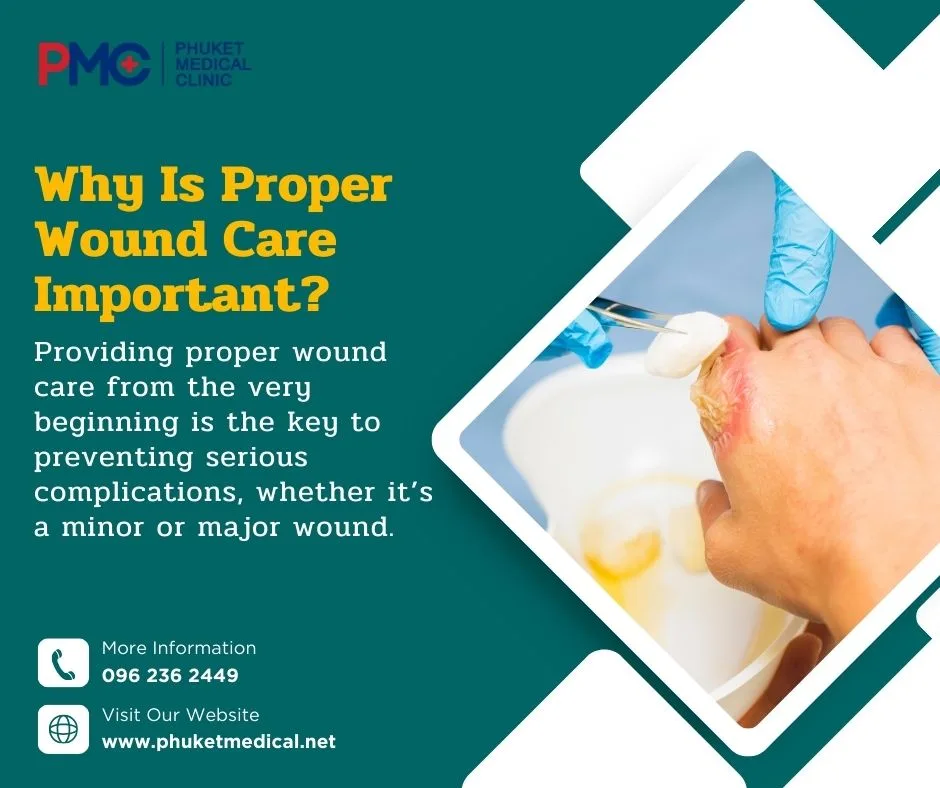
Why Is Proper Wound Care Important?
Providing proper wound care from the very beginning is the key to preventing serious complications, whether it’s a minor or major wound.
Reduces the Risk of Infection
Any type of open wound is a vulnerable entry point for germs such as bacteria or viruses to enter the body directly. If a wound is not properly cleaned, covered, or frequently comes into contact with contaminants, it may lead to local infections such as swelling, redness, pus, and increasing pain.
In some cases, the infection can escalate into
- Necrosis (tissue death)
- Subcutaneous abscesses (deep pus-filled pockets under the skin)
- Sepsis, a life-threatening emergency involving a bloodstream infection
Prevents Scarring or Hyperpigmentation
When wounds are inflamed or heal slowly, the body often responds by producing excessive scar tissue or abnormal pigmentation. These can become long-term cosmetic concerns, especially in visible areas like the face, arms, or legs.
Good wound care helps
- Reduce unnecessary inflammation
- Prevent infections that may trigger pigmentation changes
- Minimize the chances of raised scars or dark marks after healing
Promotes Faster Healing
A properly managed wound creates an ideal healing environment by maintaining:
- Optimal moisture levels
- A germ-free surface
- Protection from friction and mechanical stress
This allows the body’s natural healing processes to function efficiently. For example:
- New blood vessels can grow rapidly
- Skin cells regenerate effectively
- Tissue forms strongly without the need for excessive scarring
As a result, wounds can close faster, cause less pain, and allow individuals to return to normal life more quickly.
Reduces the Need for Antibiotics
If a wound is kept clean, dry, and minimally inflamed, treatment often does not require antibiotics. This has many benefits, including:
- Lower risk of antibiotic resistance
- Fewer medication side effects like nausea, diarrhea, or allergic reactions
- Reduced treatment costs
- Prevention of unnecessary or excessive drug use
In an era where antibiotic resistance is becoming a serious public health issue, proper wound care from the start is one of the most effective strategies for reducing unnecessary antibiotic use.
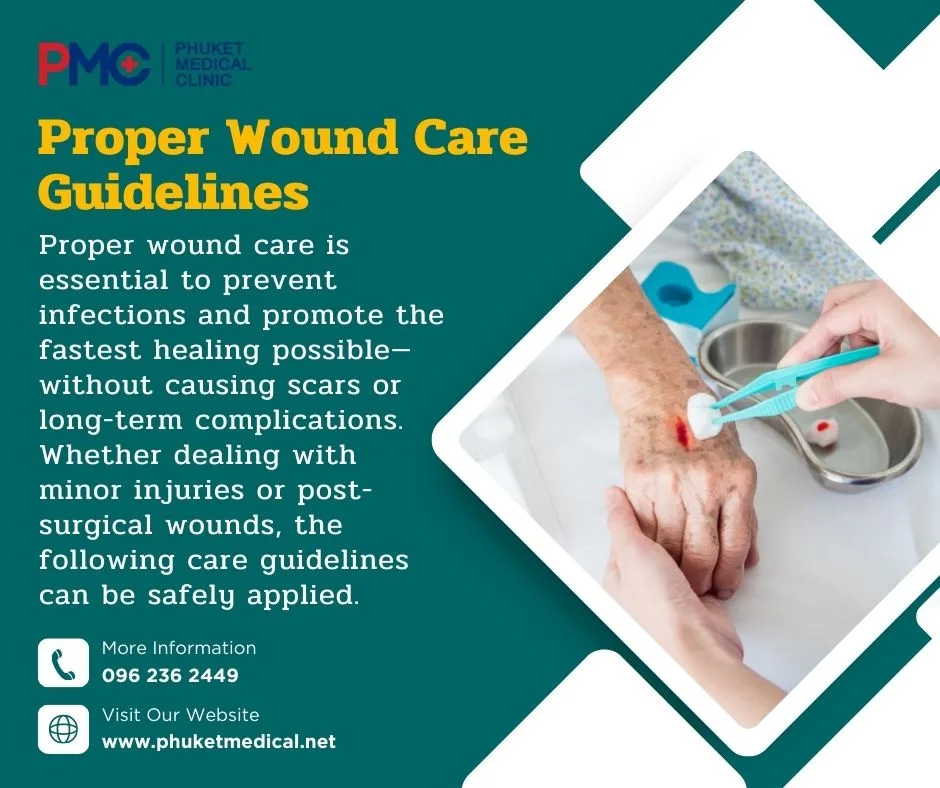
Proper Wound Care Guidelines
Proper wound care is essential to prevent infections and promote the fastest healing possible—without causing scars or long-term complications. Whether dealing with minor injuries or post-surgical wounds, the following care guidelines can be safely applied.
Clean the Wound with Sterile Saline Solution
Gentle cleansing using sterile saline solution (Normal Saline Solution or NSS) is the most recommended method because it:
- Helps remove dried blood, debris, and residual bacteria from the wound surface
- Does not damage regenerating tissue
- Does not cause additional irritation
Avoid using strong antiseptics such as alcohol, hydrogen peroxide, or alkaline solutions, as they may destroy newly formed cells essential for wound healing.
Wipe the Wound from the Inside Out
The correct method for wiping a wound is to clean from the center (the open wound area) outward toward the edges. This method is important because it:
- Prevents germs from the surrounding skin from entering the wound
- Reduces the chance of bacteria being reintroduced to fragile tissue
If using gauze soaked in saline, a new piece should be used for each wipe to avoid cross-contamination.
Use Sterile Gauze or Specialized Dressings
Wound dressings should consist of sterile gauze or plasters specifically designed for open wounds. Avoid using cotton wool, as:
- Cotton fibers may stick to the wound, causing irritation or infection
- Cotton absorbs fluids poorly compared to high-quality gauze
Recommendation: Choose dressings that maintain optimal moisture, allow oxygen permeability, and do not adhere to the wound bed.
Change Dressings Daily or When Damp
Regularly changing the wound dressing is crucial because:
- Moisture from blood, lymph, or sweat can promote bacterial growth
- A damp or dirty wound environment may lead to unpleasant odor and secondary infections
- A clean, dry wound bed supports better and faster tissue regeneration
Tip: If the dressing becomes wet or loose, replace it immediately—even if it hasn’t been 24 hours.
Avoid Touching the Wound with Bare Hands
Human hands are reservoirs of invisible microbes. Touching the wound directly without handwashing or gloves can introduce bacteria.
Proper prevention methods include
- Washing hands thoroughly with soap or disinfectant before dressing the wound
- Wearing medical gloves whenever touching the wound or surrounding tissue
- Washing hands again after the procedure to prevent the spread of infection
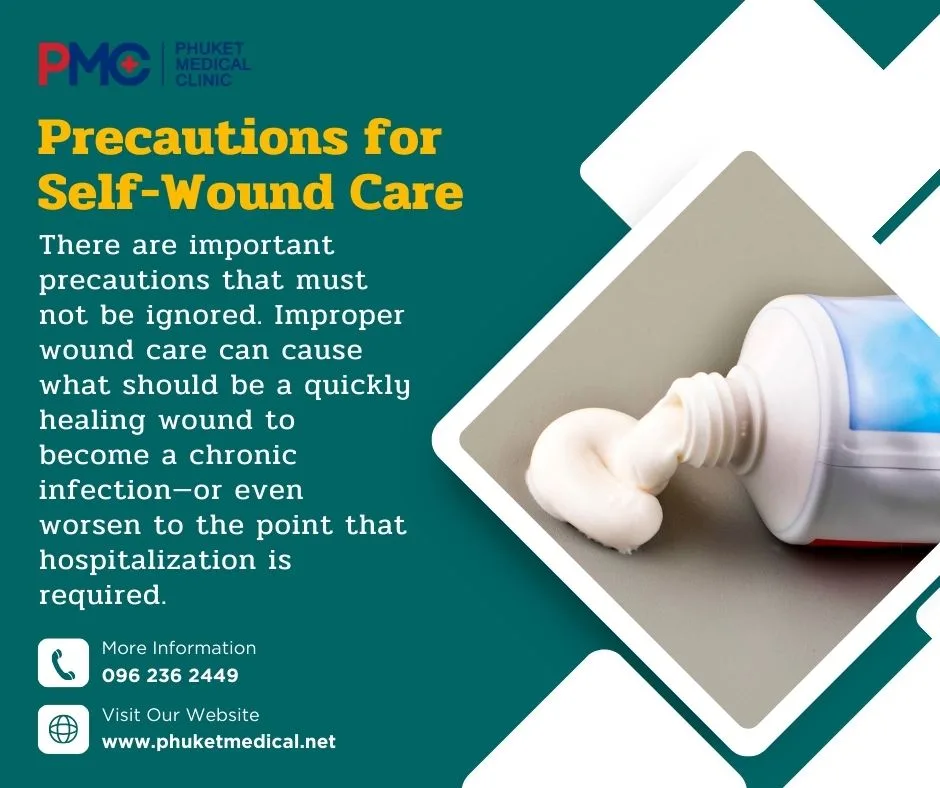
Precautions for Self-Wound Care
There are important precautions that must not be ignored. Improper wound care can cause what should be a quickly healing wound to become a chronic infection—or even worsen to the point that hospitalization is required. Below are common self-care mistakes to avoid at all costs
Do Not Apply Toothpaste, Lime Juice, or Unsterilized Herbal Remedies to Open Wounds
Home remedies or herbal substances that have not been sterilized—such as toothpaste, lime juice, turmeric, or fresh aloe vera—are often mistakenly believed to help heal wounds. In truth
- Toothpaste contains chemicals and fragrances that can cause burning or irritation.
- Lime juice is acidic and can damage delicate healing tissue.
- Raw herbs may harbor bacteria and microbes. If not thoroughly clean, they pose a risk of further infection.
Recommendation: Use only medically approved wound care products, such as sterile saline solution, topical antiseptics, and sterile dressings.
Do Not Rub or Scrub the Wound, as It Can Damage New Tissue
Healing wounds contain newly formed skin cells that are very fragile. If you rub, scrub, or wipe too harshly, it may
- Dislodge the new skin cells
- Cause the wound to bleed again
- Delay the healing process
- Increase the risk of infection or scarring
Recommendation: Gently clean the wound using sterile saline solution, and pat dry softly with a soft piece of sterile gauze.
Avoid Letting the Wound Get Soaked in Water (e.g., Bathing or Swimming)
Water from tubs, sinks, or swimming pools is not sterile and may contain bacteria—even if disinfectants are used in pools, they do not kill 100% of pathogens.
Soaking the wound can
- Soften or reopen it
- Allow microbes to penetrate tissue
- Cause the dressing to loosen or disintegrate
Recommendation: If bathing is necessary, cover the wound with waterproof plastic or a specialized waterproof patch, and avoid soaking until the wound has completely closed.
Watch for Warning Signs of Infection
Symptoms to watch for
- Swelling, redness, or warmth around the wound
- Pus or yellow/green discharge
- Foul odor
- Unusual or increasing pain
- Fever
If any of these signs appear, seek medical attention immediately to evaluate the infection level and determine whether antibiotics or advanced wound care is needed.
Why You Should Choose Wound Care Services at Phuket Medical Clinic
Proper wound care doesn’t just reduce the risk of infection—it also significantly affects the body’s recovery, patient confidence, and overall quality of life. That’s why choosing a trusted and professional wound care provider is essential. Phuket Medical Clinic stands out as one of the most trusted options in Phuket for the following clear reasons:
- Professional Care by Certified Nurses and Specialist Doctors At Phuket Medical Clinic, wound care is performed by trained professional nurses specializing in wound care, with continuous support and evaluation by experienced doctors. This ensures that each wound is treated appropriately according to its type and severity.
- Sterile Equipment at Hospital Standards The clinic uses 100% sterile medical-grade materials and tools—such as saline solution, gauze, professional dressings, and wound management instruments—to minimize the risk of secondary infections during treatment.
- Covers All Types of Wounds Whether it’s:
- Traumatic wounds (abrasions, deep cuts)
- Post-surgical wounds (surgical incisions, abscesses)
- Chronic wounds (diabetic ulcers, pressure sores)
- Phuket Medical Clinic can provide customized wound care plans and continuous monitoring tailored to each patient’s needs.
- Convenient, Fast, and No Long Wait Times The clinic offers both appointment booking and walk-in services for urgent cases. It is also open during evenings and on weekends, making it ideal for both locals and tourists who require fast wound care services.
- Patient-Focused Communication and Compassionate Support The clinic’s staff emphasizes clear, simple explanations so patients can continue proper wound care at home. The team follows up with friendliness—not in haste—ensuring every patient feels heard and supported.
- Prime Central Location with Easy Access Located in central Phuket with available parking, the clinic is accessible for both city residents and tourists from popular areas like Patong, Kata, and Karon.
- Reasonable Pricing with Official Documentation All services are transparently priced, and the clinic can issue official receipts and medical certificates upon request—ideal for tourists who may need documentation for travel insurance claims.
Read More Articles
- Why Is Phuket a Trusted Medical Tourism Hub for Travelers?
- Introducing a health clinic in Phuket that provides comprehensive healthcare for both locals and tourists.
Contact Information
Laguna Branch
Phuket Medical Clinic – Laguna Branch is located at
- 58/1, Choeng Thale Subdistrict, Thalang District, Phuket 83100
- Open daily: Monday – Sunday, 09:00 AM–10:00 PM
- Contact via Line ID: @pmcphuket (Include @)
- Phone number: 096 236 2449
- Clinic Location: https://maps.app.goo.gl/SXaeLrSU9Lx47YPH6
- Online appointment booking: https://pmclaguna.youcanbook.me
Phuket Town Branch
Phuket Medical Clinic – Phuket Town Branch is located at
- 41/7-41/8, Talat Nuea Subdistrict, Mueang Phuket District, Phuket 83000
- Open daily: Monday – Sunday, 09:00 AM–9:00 PM
- Contact via Line ID: @pmcphuket (Include @)
- Phone number: 096 228 2449
- Clinic Location: https://maps.app.goo.gl/yeU9qNArGg3qdwZw9
- Online appointment booking: https://pmctown.youcanbook.me
Circle Clock Tower Branch
Phuket Medical Clinic – Circle Clock Tower Branch is located at
- 206/8 Phuket Rd, Taladyai, Mueang Phuket District, Phuket 83000
- Open daily: Monday – Sunday, 12:00 AM – 08:00 PM
- Contact via Line ID: @pmcphuket (Include @)
- Phone number: 096 696 2449
- Clinic Location: https://maps.app.goo.gl/svPvTabmmD1DHe9v9
- Online appointment booking: https://phuketmedicalclinic.youcanbook.me
Safe wound care in Phuket with infection-free treatment, fast healing, and proper cleaning guidance for better health.
Proper wound care is the foundation of safe, sustainable recovery. Especially in a province like Phuket—with its large mix of locals and international visitors—receiving quality care from a specialized medical team ensures your wound heals faster, free from infection, and helps you return to daily life with confidence.
A small wound can turn into a serious issue if not treated properly. Don’t wait—start caring for your wound the right way, today.
References
- World Health Organization (WHO). Wound and Wound Management: Overview of types of wounds, infection prevention, and healing process. https://www.who.int/publications/i/item/9789240010543
- Centers for Disease Control and Prevention (CDC). Wound Care Guidance: Proper wound cleaning, dressing, and infection control. https://www.cdc.gov/healthywater/emergency/woundcare-guidance.html
- Thai Red Cross Society. Basic First Aid for Open Wounds. https://www.redcross.or.th/firstaid/wound-care
- Department of Disease Control, Ministry of Public Health (Thailand). Guidelines for chronic wound care and infection prevention. https://ddc.moph.go.th
- Verywell Health. How to Care for a Surgical Incision: Comprehensive instructions post-surgery. https://www.verywellhealth.com/how-to-care-for-a-surgical-incision-3156925