
Chlamydia, also known as non-gonococcal urethritis (NGU), is one of the most common sexually transmitted infections (STIs) worldwide, especially among teenagers, working-age adults, and individuals with multiple sexual partners. This infection can be transmitted even when there are no symptoms, especially in its early stages, making it easy to overlook and often left untreated. However, chlamydia is 100% curable if diagnosed early and treated with the appropriate antibiotics, helping to prevent serious complications.
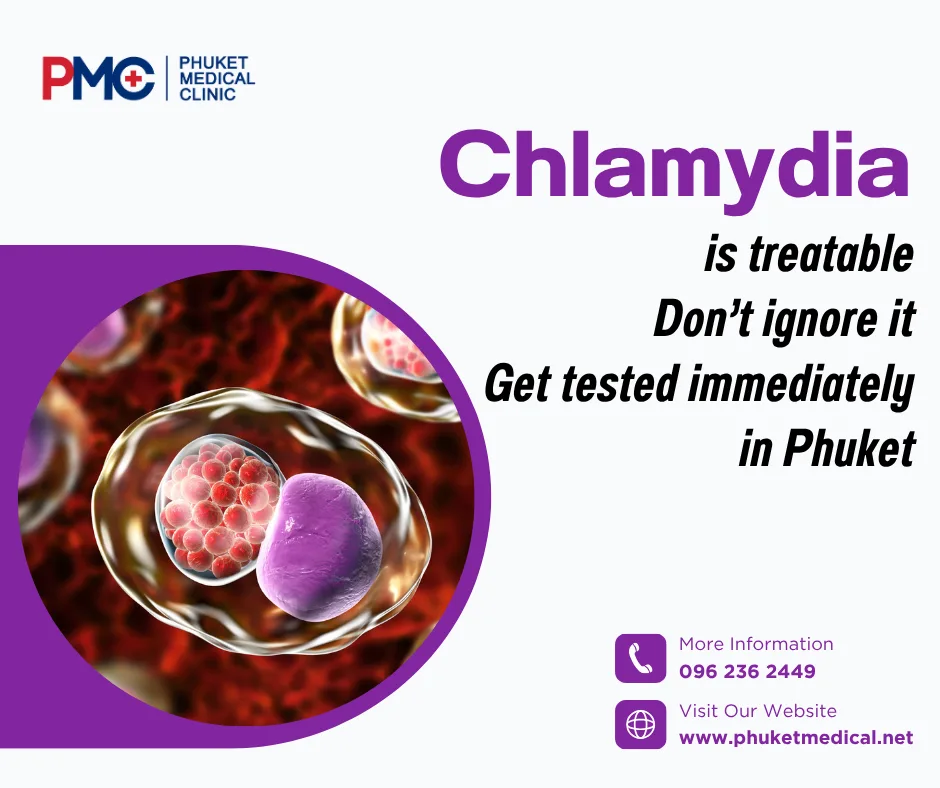
What Is Chlamydia?
Chlamydia (also called non-gonococcal urethritis) is an STI caused by the Chlamydia trachomatis bacterium. It is one of the most frequently reported STIs globally.
Causes of Chlamydia
The Chlamydia trachomatis bacteria enter the body through sensitive mucous membranes, such as
- Vaginal lining
- Rectum
- Oral cavity
- Urethra
- Conjunctiva of the eyes (in some cases)
The infection spreads easily through contact with infected bodily fluids, such as semen, vaginal discharge, or direct mucosal contact during sexual activity.
Why Is It Called Non-Gonococcal Urethritis?
Many people confuse gonorrhea and chlamydia because their symptoms can be similar — such as painful urination, discharge, or itching around the genitals.
However, chlamydia cannot be detected through standard gonorrhea tests, as it requires specialized testing methods like NAAT (Nucleic Acid Amplification Test), which is more accurate and modern. The term “non-gonococcal urethritis” is used because its symptoms resemble those of gonorrhea, but the cause is a different bacterium.
Why Is Chlamydia a Silent but Dangerous Disease?
- Over 70% of infected women show no symptoms
- Over 50% of infected men are asymptomatic
- If left untreated, the infection can spread to the reproductive system and lead to infertility in both women and men
- It also increases the risk of HIV infection
How Is Chlamydia Transmitted?
- Unprotected sex (vaginal, anal, or oral)
- Sharing sex toys without cleaning or using a protective condom
- Contact with infected bodily fluids, such as semen or vaginal secretions
- Mother-to-child transmission during childbirth, which can cause eye or lung infections in newborns
Symptoms of Chlamydia
Chlamydia can remain asymptomatic for several weeks, especially in women. However, once symptoms appear, they typically include:
In Men
- Painful or burning urination, or discharge from the tip of the penis
- Swollen, painful, or abnormal sensation in the testicles
- Pain during ejaculation
In Women
- Abnormal vaginal discharge with odor or color changes
- Lower abdominal or lower back pain
- Pain during intercourse or unusual bleeding between menstrual periods
If the infection is in the rectum
- Pain or itching around the anus
- Discharge of blood or pus from the rectum
- A persistent urge to defecate, even without stool
Complications of Chlamydia
Although chlamydia is easily treatable with antibiotics, if left undiagnosed or untreated, it can lead to serious complications affecting the reproductive system and overall health.
In Men : Risk of Testicular Inflammation and Long-Term Infertility
If the infection spreads, it may cause inflammation of the epididymis, the small tube that connects the testicles to the vas deferens.
Common symptoms include
- Pain, swelling, and tenderness in the testicles
- Redness or fever
- Difficulty urinating or presence of discharge
If left untreated
- Scar tissue (adhesions) may form in the epididymis → blocking sperm from traveling normally
- Leads to infertility, especially if both sides are affected
Some men may show no symptoms but still have internal inflammation, only discovering the issue when trying to conceive.
In Women: Risk of Pelvic Inflammatory Disease (PID) and Infertility
If chlamydia spreads from the cervix to internal reproductive organs like the uterus, fallopian tubes, and ovaries, it can cause Pelvic Inflammatory Disease (PID).
Consequences include
- Chronic lower abdominal pain and pain during intercourse
- Scar tissue in the fallopian tubes → preventing eggs from traveling → causing infertility
- Risk of ectopic pregnancy, a life-threatening condition
- If untreated for too long, surgical removal of ovaries or uterus may be necessary
Chlamydia is one of the leading preventable causes of infertility in women of reproductive age.
In All Genders: Chronic Sores and Increased Risk of Other Infections
If the infection is located in the rectum or mouth (e.g., from anal or oral sex), it can cause
- Itching, burning, or soreness in the mouth or throat
- Blood or pus from the rectum
- Small inflamed sores that can become repeatedly infected
Long-Term Effects
- The bacteria damage the mucous membranes, leading to chronic ulcers and increased reinfection risk
- Inflammation and open sores increase susceptibility to HIV during sexual contact
People with chlamydia-related ulcers have a 3 to 5 times higher risk of contracting HIV.
How Is Chlamydia Diagnosed?
Chlamydia diagnosis today is simple, fast, and painless compared to the past. With advanced DNA detection technology, infections can be identified even in early stages—even when no symptoms are present. There are two main diagnostic methods
- First-Catch Urine Sample
- Commonly used in men or those suspected of having a urethral infection
- Requires collecting the first 20–30 mL of urine in the morning
- Avoid urinating for at least 1–2 hours before collection
- The sample is tested using NAAT (Nucleic Acid Amplification Test) to detect tiny amounts of bacterial DNA
- Advantages
- Non-invasive, painless
- Easy for patients to self-collect
- Ideal for men or those uncomfortable with swab tests
- Direct Swab Sample from Affected Areas Best for women or people with higher-risk behaviors (e.g., anal or oral sex). A healthcare provider uses a sterile swab to collect cells from areas such as
- Vagina: For women with abnormal discharge or suspected cervical infection; self-collection is possible in some cases with medical guidance
- Rectum: For individuals who engage in anal sex or have symptoms like pain, itching, or bleeding; the swab is quick and not painful when done by a professional
- Throat: For those who engage in oral sex or have chronic sore throat symptoms; often asymptomatic but can still transmit infection
- These methods provide accurate results and help doctors design a more targeted treatment plan.
- How Long Does It Take to Get Results?
- Standard test results: 1–3 days
- Rapid testing (Rapid NAAT or Express PCR): Results within 24 hours or same-day
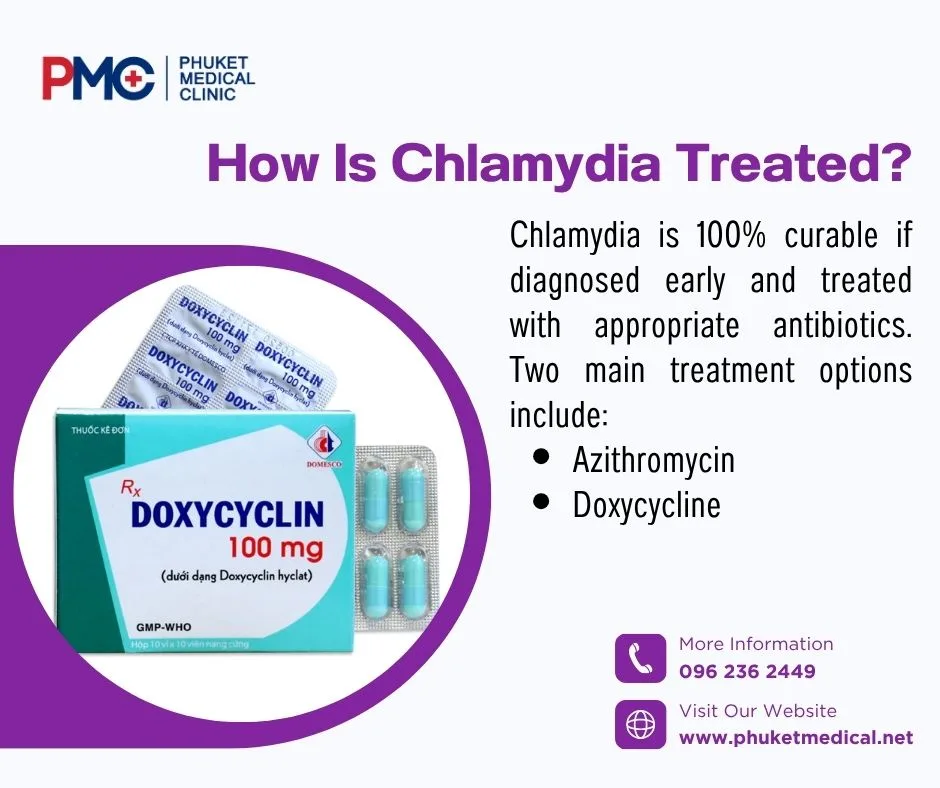
How Is Chlamydia Treated?
Chlamydia is 100% curable if diagnosed early and treated with appropriate antibiotics. Two main treatment options include:
- Azithromycin
- Dose: 1 gram (1,000 mg), single dose
- Instructions: Take in one go. May cause mild nausea or abdominal discomfort
- Best for: Travelers or those who may forget to take multiple doses
- Doxycycline
- Dose: 100 mg twice daily
- Duration: 7 consecutive days
- Instructions: Take after meals with plenty of water to avoid stomach or esophageal irritation
- Best for: Those able to follow a strict medication schedule and without contraindications
- The doctor will choose the appropriate treatment based on overall health, co-existing conditions, and the nature of the infection.
- Guidelines During Treatment To ensure effective treatment and avoid spreading the infection:
- Abstain from sexual activity until treatment is complete and for at least 7 days after the last dose (even without symptoms)
- Partner treatment is essential: If your partner is not treated, reinfection is likely. Encourage your partner to get tested and treated, even if asymptomatic
- Do not stop or share medication: Complete the full course, even if symptoms improve early. Never share your medication or take someone else’s
- Do You Need a Follow-Up Test?
- If treated with Azithromycin (single dose) and no symptoms persist → retesting is usually not necessary
- For pregnant women or those with frequent reinfections → a follow-up test is recommended 3 months after treatment
- If sexual activity resumes before 7 days post-treatment → retest immediately, as reinfection may have occurred
Preventing Chlamydia Infection
- Always use condoms — even for oral sex Many mistakenly believe that oral sex is “safe” without protection. In reality, Chlamydia can infect the mouth and throat. Use condoms (or dental dams) to protect against fluids like semen or vaginal secretions. Choose well-fitting, high-quality condoms to avoid slipping or tearing. Condoms also reduce the risk of HIV, syphilis, gonorrhea, and many other STIs.
- Avoid changing partners without mutual STI testing Having multiple partners isn’t wrong, but responsible sexual behavior includes regular STI screenings. If you’re starting a new relationship or have had unprotected sex, talk openly about testing. Mutual testing builds trust and protects both partners — physically and emotionally.
- Get tested every 3–6 months if sexually active with multiple partners Routine sexual health screening is vital, especially for those with multiple partners. Chlamydia tests are easy, painless, and can be anonymous. It’s best to screen for HIV, syphilis, gonorrhea, and herpes together for comprehensive care.
If you’re part of a high-risk group, such as men who have sex with men (MSM) or vulnerable populations, test every 3 months. - Avoid sex if your partner is at risk or untested If your partner has risk factors (e.g., multiple partners, no condom use, or symptoms), avoid sexual contact until they’ve been tested and confirmed STI-free. Don’t let love or trust override your safety. There are many other ways to be intimate — through communication, touch, or low-risk sexual activities — until you’re both certain.
Chlamydia Testing and Treatment at Phuket Medical Clinic
Phuket Medical Clinic is one of the most trusted sexual health service providers for both Thai nationals and international visitors. Known for its comprehensive care, the clinic offers diagnosis and treatment of sexually transmitted infections (STIs)—particularly Chlamydia (also known as nong nai tiam in Thai)—with a focus on professionalism, speed, accuracy, and utmost privacy.
Chlamydia Testing Services
- Offers both first-catch urine sample and swab collection from the rectum or vagina, depending on your sexual behavior and risk level
- Utilizes NAAT (Nucleic Acid Amplification Test) technology, which is highly accurate and detects even minimal amounts of bacterial DNA
- Anonymous testing is available
- Express testing services are offered, with results available within 24 hours
Chlamydia Treatment Services
- Provides treatment following international guidelines using antibiotics such as Azithromycin or Doxycycline
- Physicians offer comprehensive guidance on medication use, temporary abstinence, and self-care during treatment
- Offers partner treatment counseling to prevent reinfection
- Has a follow-up system and repeat testing when necessary
Read More Articles
- Sexually Transmitted Infection (STI) Clinics in Phuket Complete Testing and Treatment in One Place
- Where to get a blood test in Phuket? Fast and reliable service.
Contact Information
Laguna Branch
Phuket Medical Clinic – Laguna Branch is located at
- 58/1, Choeng Thale Subdistrict, Thalang District, Phuket 83100
- Open daily: Monday – Sunday, 09:00 AM–10:00 PM
- Contact via Line ID: @pmcphuket (Include @)
- Phone number: 096 236 2449
- Clinic Location: https://maps.app.goo.gl/SXaeLrSU9Lx47YPH6
- Online appointment booking: https://pmclaguna.youcanbook.me
Phuket Town Branch
Phuket Medical Clinic – Phuket Town Branch is located at
- 41/7-41/8, Talat Nuea Subdistrict, Mueang Phuket District, Phuket 83000
- Open daily: Monday – Sunday, 09:00 AM–9:00 PM
- Contact via Line ID: @pmcphuket (Include @)
- Phone number: 096 228 2449
- Clinic Location: https://maps.app.goo.gl/yeU9qNArGg3qdwZw9
- Online appointment booking: https://pmctown.youcanbook.me
Circle Clock Tower Branch
Phuket Medical Clinic – Circle Clock Tower Branch is located at
- 206/8 Phuket Rd, Taladyai, Mueang Phuket District, Phuket 83000
- Open daily: Monday – Sunday, 12:00 AM – 08:00 PM
- Contact via Line ID: @pmcphuket (Include @)
- Phone number: 096 696 2449
- Clinic Location: https://maps.app.goo.gl/svPvTabmmD1DHe9v9
- Online appointment booking: https://phuketmedicalclinic.youcanbook.me
Chlamydia is not a severe illness but it is one that demands timely attention and treatment. While it is easily curable with antibiotics, delayed diagnosis can lead to complications that affect long-term health and relationships. If you’re in Phuket or planning a visit and believe you may have been at risk—whether due to unprotected sex or suspicion of infection—don’t wait. Get tested and treated as early as possible. Because taking care of your sexual health is not just about disease prevention—it’s about respecting yourself and those you care about.
References
- Centers for Disease Control and Prevention (CDC). Chlamydia – STD Facts. Available at: https://www.cdc.gov/std/chlamydia/stdfact-chlamydia.htm
- World Health Organization (WHO). Sexually transmitted infections (STIs). Available at: https://www.who.int/news-room/fact-sheets/detail/sexually-transmitted-infections-(stis)
- Ministry of Public Health, Thailand. Common Sexually Transmitted Diseases. Available at: https://ddc.moph.go.th/dmd/
- Thai FDA (Food and Drug Administration). Correct Use of Antibiotics. Available at: https://oryor.com
- UNAIDS. Global facts about sexually transmitted infections. Available at: https://www.unaids.org/en/STIs