
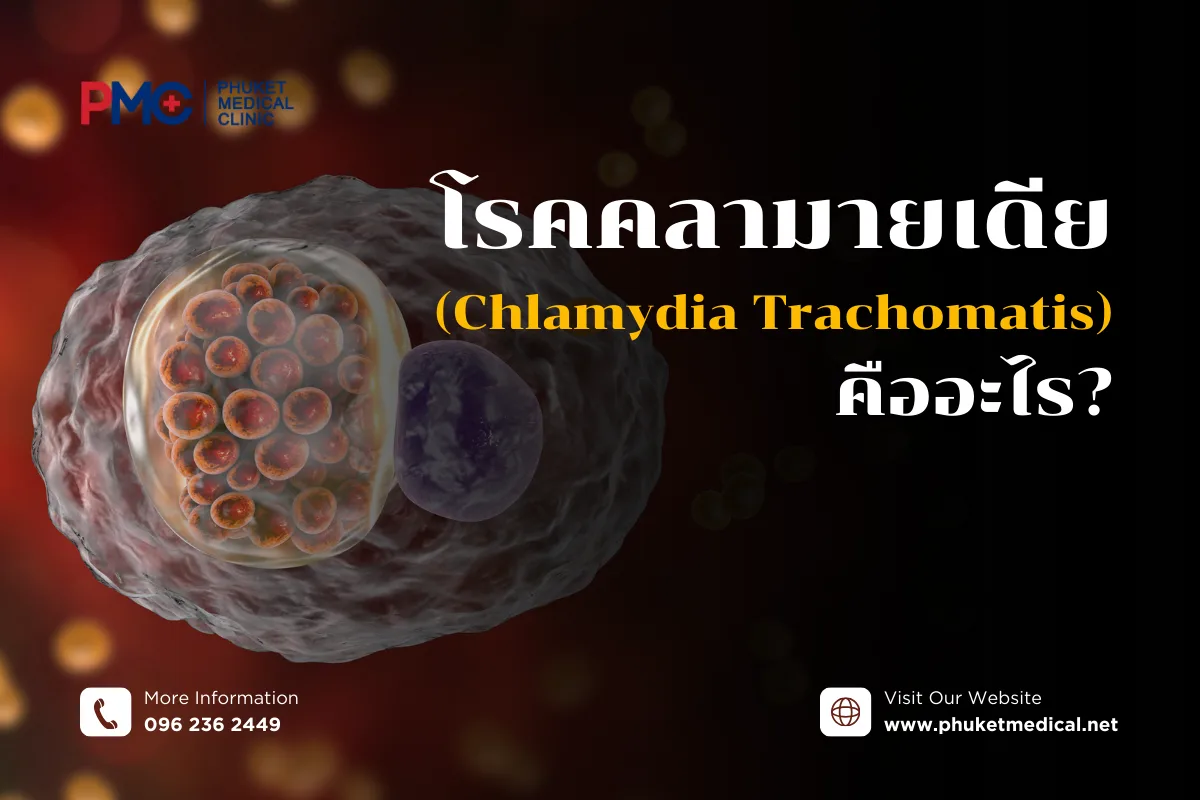
Chlamydia Trachomatis or non-gonococcal urethritis is the most common sexually transmitted disease today, especially among people with risky behaviors, such as having unprotected sex or having multiple partners. The disease may not show symptoms in the early stages, causing many infected people to not know that they are carriers and can unintentionally spread the disease to others. If left untreated, chlamydia can lead to serious complications, such as infertility or inflammation of the reproductive system.
What is Chlamydia or Non-Gonorrhea?
Chlamydia Trachomatis, or non-gonorrhea in Thai, is a common sexually transmitted disease in many countries, including Thailand. It is caused by a bacterial infection called Chlamydia trachomatis, which causes abnormalities in the body’s epithelial cells, especially in areas that are moist and warm, such as:
- The urethra in men
- The vagina and cervix in women
- The anus
- The conjunctiva
Although this disease is found in groups with high-risk sexual behavior, most infected people do not show symptoms, allowing the disease to spread quickly without them knowing. In some cases, the disease can lead to severe complications if not treated properly.
Causes of Non-Gonorrhea
Non-gonorrhea is caused by the bacterium Chlamydia trachomatis, which can enter the body through contact with secretions from an infected person, especially during unprotected sex. This disease can be transmitted through several channels, including:
- Vaginal sex, sex without using a condom, and contact with secretions such as semen or vaginal lubricant.
- Anal sex, contact with secretions during anal sex.
- Oral sex, contact with secretions during oral sex, such as vaginal fluid or semen.
- Childbirth, in cases where the mother is infected with non-gonorrhea, the infection can be passed to the baby during birth through the vagina, putting the baby at risk of conjunctivitis (pink eye) or even pneumonia in newborns.
- Sharing sexual devices, sharing masturbation devices, or sex toys without proper cleaning.
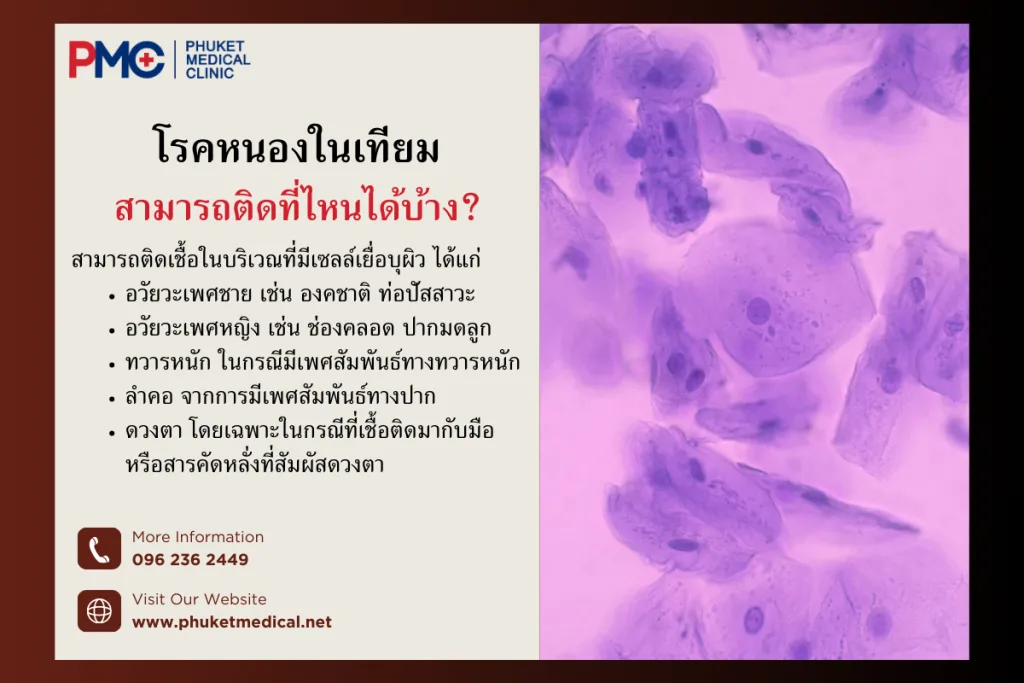
Where can I get chlamydia?
Chlamydia affects the epithelial cells in various parts of the body, such as the vagina, cervix, urethra, rectum, throat, and sometimes the eyes. It is considered a “hidden infection” because most infected people do not show symptoms in the early stages of infection, but can easily spread it to others.
Chlamydia trachomatis can infect areas with epithelial cells, including:
- Male genitalia, such as the penis, urethra
- Female genitalia, such as the vagina, cervix
- Anus, during anal sex
- Throat, during oral sex
- Eyes, especially if the infection is transmitted through hands or bodily fluids that come into contact with the eyes
Because this infection often does not show symptoms in the beginning, it is a source of rapid spread among people who have risky behaviors, such as having sex without condoms or having multiple sexual partners.
Chlamydia Trachomatis infection rates
Chlamydia is a sexually transmitted disease that is widespread in many countries around the world, including Thailand. The infection rate of chlamydia is one of the highest among sexually transmitted diseases due to its easy transmission and the lack of symptoms in most infected people, making it difficult to detect the infection in the early stages. And there is a chance of spreading the infection to others without realizing it.
Statistics on the rate of non-gonococcal urethritis
- According to a report by the World Health Organization (WHO) in June 2019,
- Every day, there are more than 1 million people worldwide who are infected with sexually transmitted diseases.
- Non-gonococcal urethritis is one of the most common diseases, especially among adolescents and young adults.
- In the world’s population, it was found that
- Women aged 15-24 are at the highest risk, with approximately 1 in 20 people in this age group potentially infected with non-gonococcal urethritis.
- Most infections occur through unprotected sex or having multiple partners.
Symptoms of Non-Gonorrhea
Symptoms of Non-Gonorrhea can vary between men and women. In many cases, people with Non-Gonorrhea may not have any symptoms at first. However, as the infection spreads and destroys the cells lining the skin in different areas, symptoms will become more obvious.
Symptoms in women
- Abnormal vaginal bleeding, such as spotting between periods or bleeding after sex
- Abnormal vaginal discharge that is cloudy or has an unpleasant odor
- Difficulty urinating, such as burning or pain during urination
- Pain during intercourse, irritation or pain in the genital area
- Chronic lower abdominal pain or pelvic pain If the infection spreads to the reproductive organs, such as the uterus or fallopian tubes, it can lead to Pelvic Inflammatory Disease (PID).
- Complications If left untreated, it can increase the risk of ectopic pregnancy or infertility in the future.
Symptoms in men
- Abnormal discharge from the urethra, such as cloudy or clear mucus
- Painful urination, burning or pain during urination
- Pain or swelling in the testicles If the infection spreads to the epididymis, it can cause inflammation and swelling.
- Abdominal pain, especially when the infection spreads to nearby areas.
Symptoms in both men and women.
- Eye infections can be caused by contact with the infection through hands or bodily fluids, causing conjunctivitis, which is red, irritated, and watery eyes.
- Inflammation of the joints, which is a response to infection in the body (Reactive Arthritis).
Complications from Non-Gonorrhea
If not treated properly and allowed to grow in the body for a long time, it can have serious long-term health effects. The characteristics of complications in women and men are clearly different.
Complications in women
- Pelvic Inflammatory Disease (PID) When non-gonorrhea spreads to the internal reproductive organs, such as the uterus, fallopian tubes, and surrounding tissues, it causes inflammation in the pelvis, which can lead to serious health problems, including:
- Infertility The resulting inflammation can cause adhesions in the fallopian tubes, preventing the egg from traveling to the uterus.
- Ectopic pregnancy occurs when a fertilized egg implants outside the uterus, such as in a fallopian tube, which is a high-risk condition for the mother’s life.
- Chronic Pelvic Pain Chronic pain caused by pelvic inflammation can affect the quality of life in the long term.
- Increased risk of HIV infection Non-gonorrhea can damage the lining of the reproductive system, making women with non-gonorrhea more likely to contract HIV because the damaged lining allows HIV to enter the body more easily.
- Impact on pregnancy If a woman becomes pregnant And contracting non-gonococcal urethritis The infection can affect the fetus, such as:
- Premature birth
- Low birth weight
- Infections in the eyes and respiratory system of the baby
Complications in men
- Inflammation of the epididymis (Epididymitis) Non-gonococcal urethritis can spread to the epididymis, causing inflammation that affects the quality of life and fertility in men, such as:
- Pain in the testicles Patients may feel pain or swelling in the testicles
- Infertility Severe and untreated inflammation can affect sperm production
- Inflammation of the joints (Reactive Arthritis) In some cases, the body may respond to non-gonococcal urethritis with reactive arthritis, a condition that causes pain and swelling in joints, such as the knees, ankles, or wrists
- Increased risk of HIV infection Like women, men with non-gonococcal urethritis are more likely to contract HIV due to inflammation and damage to the lining of the reproductive system.
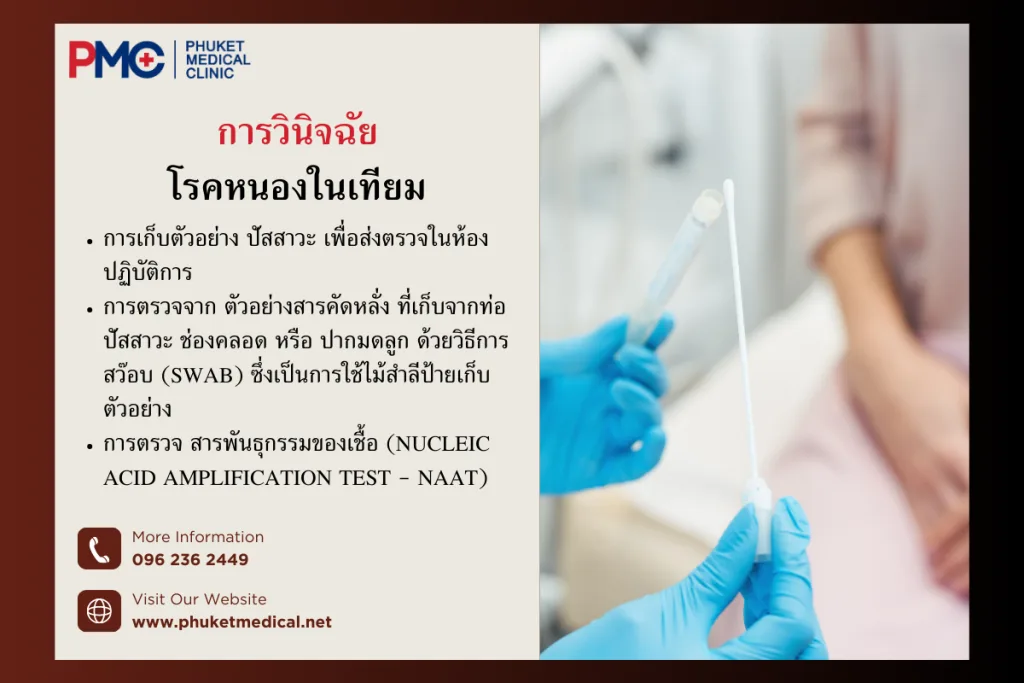
Diagnosis of Non-gonococcal urethritis
Currently, non-gonococcal urethritis testing is convenient and fast. It can be done in both men and women using simple methods as follows:
Testing methods for men
- Collecting urine samples for laboratory testing
- Testing from samples of secretions collected from the urethra in cases where more accurate test results are required
Testing methods for women
- Collecting samples of secretions from the vagina or cervix using a swab, which uses a cotton swab to collect samples
- Testing urine to detect germs in the urinary system
- Testing genetic material of germs (Nucleic Acid Amplification Test – NAAT), which is a highly accurate method and can identify germs quickly
- Testing for other sexually transmitted diseases In some cases, the doctor may recommend testing for other sexually transmitted diseases, such as syphilis or HIV, because people with non-gonococcal urethritis are at higher risk of other infections.
Treatment of non-gonococcal urethritis
When diagnosed with non-gonococcal urethritis, treatment focuses on eliminating the germs in the body to reduce the risk of spreading and prevent complications. The treatment steps are as follows:
- Antibiotic treatment Antibiotics are the main effective treatment. The doctor will consider the appropriate drug for each patient, such as:
- Azithromycin, a single oral dose
- Doxycycline, a continuous oral dose for 7 days
- In cases of severe symptoms or pregnancy, the doctor may adjust the drug or treatment plan as appropriate.
- Behavior during treatment
- Abstain from sex for at least 7 days after starting treatment to reduce the risk of spreading the infection.
- Inform your sexual partner so that they can be examined and treated together. If your sexual partner does not receive treatment, reinfection of non-gonococcal urethritis may occur.
- Strictly follow your doctor’s advice and take the medication as prescribed, even if your symptoms improve.
Prevention of non-gonococcal urethritis
Prevention not only reduces the risk of initial infection, but also prevents recurrence and reduces the chance of spreading the infection to others.
- Use condoms consistently. Using condoms is a highly effective way to prevent non-gonococcal urethritis. A standard condom should be worn every time you have sex, whether vaginal, oral, or anal.
- Avoid having multiple partners. Having multiple partners increases the risk of sexually transmitted infections, including non-gonococcal urethritis. Therefore, monogamy or having sex with a partner who has been checked for health can greatly reduce the risk.
- Abstain from sex during treatment. If infected, abstain from sex until completely cured to prevent the spread of infection and reinfection.
- Sexual health check-up. People who have risky behaviors, such as having multiple partners, should have a sexual health check-up at least once a year. Early detection of infection reduces the chances of spreading and spreading.
- Inform your partner to get tested and treated. If you find that you are infected, inform your partner or those you have had sex with in the past 3 months so that they can get tested and treated.
- Avoid risky behaviors. After treatment, avoid risky behaviors that may lead to reinfection.
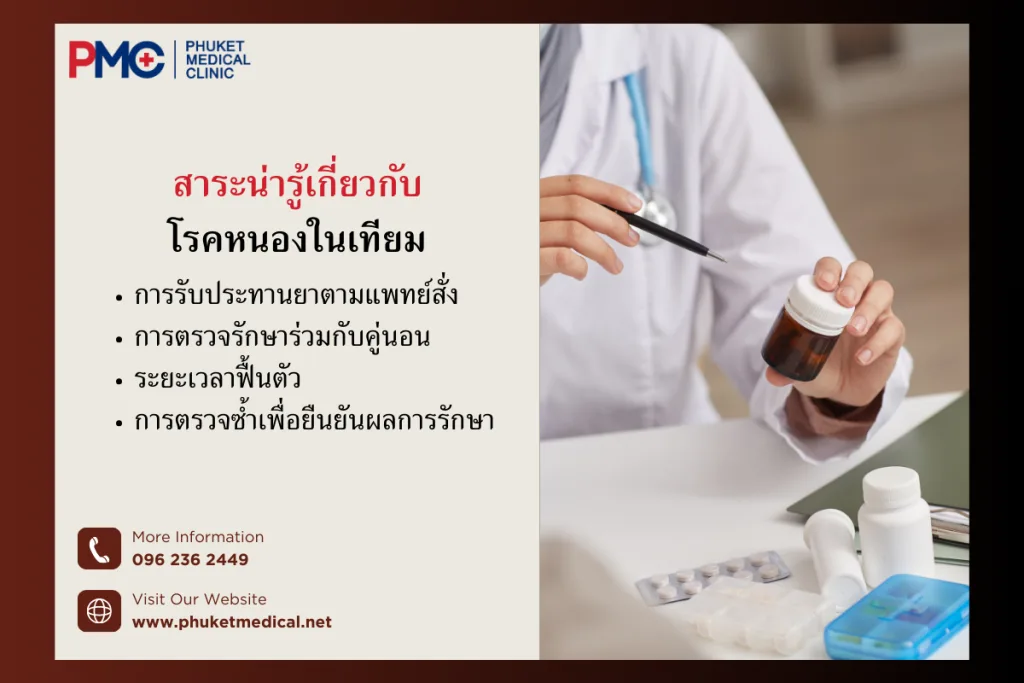
Interesting Facts About Non-gonococcal Urethritis
Successful treatment depends on the patient’s strict adherence to the medication prescribed by the doctor and following the instructions to ensure that the disease is completely cured.
- Taking medication as prescribed by the doctor Treatment for non-gonococcal urethritis requires antibiotics, which patients should take until the full course of treatment is prescribed by the doctor. Do not stop taking medication in the middle of treatment, even if the symptoms have improved, because this may cause the bacteria to become drug-resistant and re-infect.
- Joint treatment with a sexual partner Patients diagnosed with non-gonococcal urethritis should inform their sexual partner or spouse to undergo examination and treatment together to prevent the spread of infection and reduce the risk of re-infection in the future.
- Recovery period After starting treatment, symptoms of the disease, such as pelvic pain or abnormal discharge, will gradually decrease within 3-4 days, but the entire recovery process may take longer depending on the patient’s physical condition.
- Re-examination to confirm treatment results Doctors usually recommend that patients undergo a re-examination approximately 1 month after completing treatment to check that non-gonococcal urethritis has been completely eliminated from the body.
Non-gonococcal urethritis examination at Phuket Medical Clinic
Phuket Medical Clinic is one of the medical facilities that specializes in diagnosing and treating sexually transmitted diseases. Including non-gonococcal urethritis (Chlamydia Trachomatis) With modern technology and medical equipment, the clinic’s team of doctors and staff are experts in providing consultation and close care to patients. Ready to provide services with international standards
Non-gonococcal urethritis testing service
- Urine sample collection For men, the test can be done by collecting a urine sample to test for Chlamydia Trachomatis in a modern laboratory.
- Secretion testing For women, the test will use a method of collecting secretions from the vagina or cervix by a specialist doctor.
- Genetic testing (NAAT) uses Nucleic Acid Amplification Test (NAAT) technology, which is highly accurate. It can detect infections quickly and accurately.
Advantages of non-gonococcal urethritis testing at Phuket Medical Clinic
- Care by a team of doctors specializing in sexually transmitted diseases
- Use technology and testing methods that are up to international standards
- Private, safe, and confidential services for patients
- Comprehensive consultation and treatment plans that are appropriate for each individual
For those who suspect that they may be infected with non-gonococcal urethritis or have risky behaviors, they should seek immediate diagnosis at Phuket Medical Clinic to prevent the spread of infection and receive appropriate treatment from the initial stage.
Read more articles
- Sexually Transmitted Diseases: What Everyone Should Know to Stay Safe
- The Impact of Non-Chlamydia: Why Timely Treatment Matters
Contact Channels
Laguna Branch
- Phuket Medical Clinic, Laguna Branch is located at 58/1, Cherngtalay Subdistrict, Thalang District, Phuket Province 83100
- Open every day, Monday – Sunday, 09.00 – 22.00 hrs.
- Inquire via Line id. @pmcphuket (with @)
- Contact number 096 236 2449
- Clinic map https://maps.app.goo.gl/SXaeLrSU9Lx47YPH6
- Book an appointment online https://pmclaguna.youcanbook.me
Branch in the city
- Phuket Medical Clinic, Phuket City Branch is located at 41/7-41/8, Talat Nuea Subdistrict, Mueang Phuket District, Phuket Province 83000
- Open every day, Monday – Sunday, 09.00 – 22.00 hrs.
- Inquire via Line id. @pmcphuket (with @)
- Contact number 096 228 2449
- Clinic map https://maps.app.goo.gl/yeU9qNArGg3qdwZw9
- Book an appointment online https://phuketmedicalclinic.youcanbook.me
Boat Lagoon Branch
- Phuket Medical Clinic Boat Lagoon Branch is located at 20/96. Moo 2, Thepkrasattri Rd., Koh Kaew Subdistrict, Mueang Phuket District, Phuket Province 83000
- Open every day, Monday – Sunday, 10.00 – 18.00 hrs.
- Inquire via Line ID. @pmcphuket (with @)
- Contact number 096 696 2449
- Clinic map https://maps.app.goo.gl/HbqfUKMEHXuKwan96
- Book an appointment online https://pmctown.youcanbook.me
Chlamydia Trachomatis can affect the reproductive organs and can spread to other organs if not treated properly. Although this disease is dangerous, non-gonococcal urethritis can recur if the patient continues to have risky behaviors, such as not protecting themselves during sex or not treating their sexual partners at the same time. Therefore, careful health care, using condoms, informing sexual partners, and regular health check-ups can reduce the chances of re-infection and promote a better quality of life.
Reference
- Centers for Disease Control and Prevention. Chlamydia – CDC Fact Sheet (Detailed). MMWR Morbidity and Mortality Weekly Report. Accessed from: https://www.cdc.gov/std/chlamydia/stdfact-chlamydia-detailed.htm.
- Mayo Clinic. Chlamydia – Symptoms, Causes, and Treatment. Mayo Clinic Publications. Accessed from: https://www.mayoclinic.org/diseases-conditions/chlamydia/symptoms-causes/syc-20355349.
- World Health Organization. Chlamydia – Fact Sheet. WHO Publications. Accessed from: https://www.who.int/news-room/fact-sheets/detail/chlamydia.
- กองโรคติดต่อทางเพศสัมพันธ์ กรมควบคุมโรค กระทรวงสาธารณสุข. หนองในเทียม (Chlamydia) – testBKK. เข้าถึงได้จาก: https://www.testbkk.org/en/chlamydia/.
- กองโรคติดต่อทางเพศสัมพันธ์ กรมควบคุมโรค กระทรวงสาธารณสุข. หนองในเทียม – อาการ, สาเหตุ, การรักษา – พบแพทย์. เข้าถึงได้จาก: https://www.pobpad.com/หนองในเทียม.