
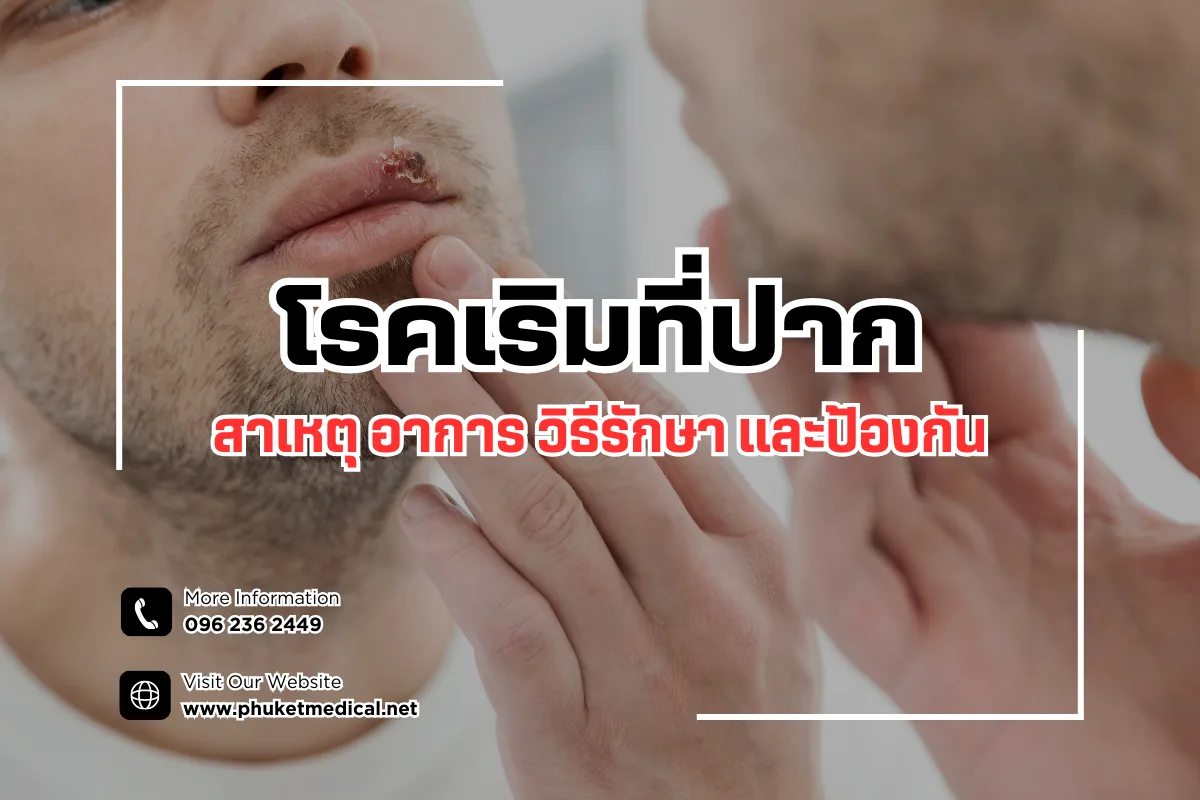
Oral herpes is a common viral infection that affects people of all ages, especially teenagers and adults. It can be uncomfortable and affect the quality of life of patients because of the symptoms that appear as blisters and a burning sensation around the lips and mouth.
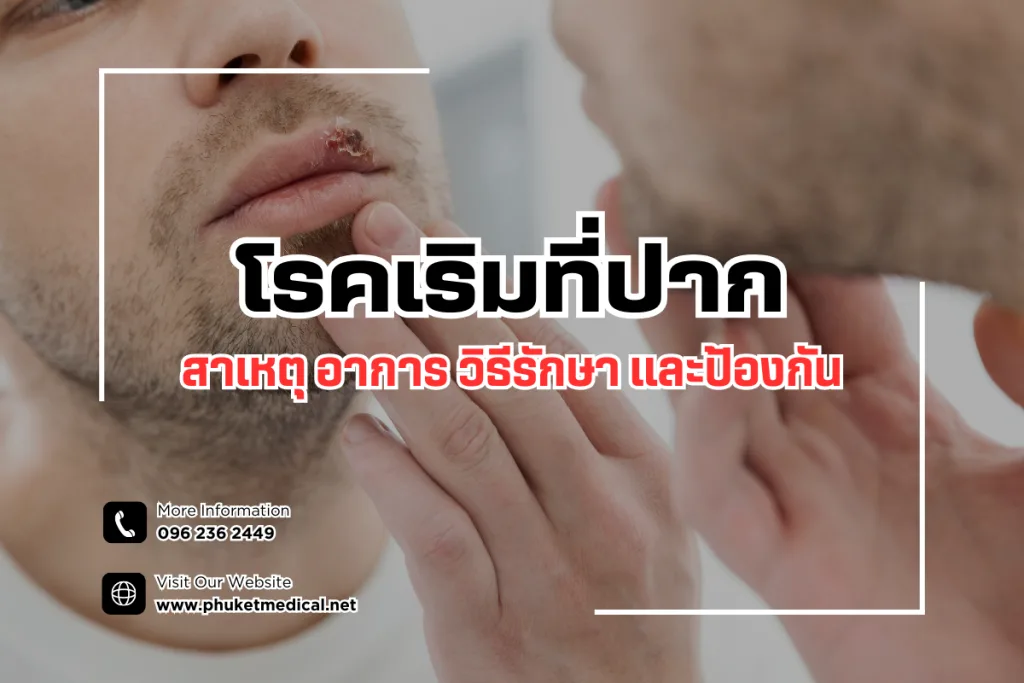
What is Oral Herpes?
Oral herpes is a condition caused by infection with the Herpes Simplex Virus (HSV) type 1, which is in the same family as the virus that causes genital herpes (HSV type 2). However, type 1 is more commonly associated with infections around the lips and mouth. Symptoms of oral herpes usually start with a sore or itchy sensation on the lips. Blisters may then develop that may break and become sores. They are characterized by blisters at the junction between the lips and skin or inside the mouth.
Causes of Oral Herpes
The main cause of oral herpes is infection with the Herpes Simplex Virus (HSV) type 1, which enters the body through direct contact with:
- Saliva and pus, kissing, or direct contact with the lesions of an infected person.
- Sharing personal items, such as drinking glasses, forks, spoons, or toothbrushes, with an infected person.
- Contact with infected skin, contact with blisters, or sores of an infected person.
- Asymptomatic exposure An infected person who does not show symptoms can spread the virus without realizing it.
Characteristics of herpes on the mouth
Herpes on the mouth has clear symptoms and is divided into stages as follows:
- Initial stage: Itching or burning sensation around the lips. Some people may experience a sharp pain in the lips or mouth, and may also experience fatigue, headache, or fever.
- Blister stage: Small clear blisters appear on the lips or mouth. The blisters may congregate into larger groups and may cause burning, hot, and soreness around the wound.
- Scabbing stage: The blisters will break open and become open wounds. The wound will start to scab over and heal within 1-2 weeks. The area where the scabs have formed may have dark spots or small scars.
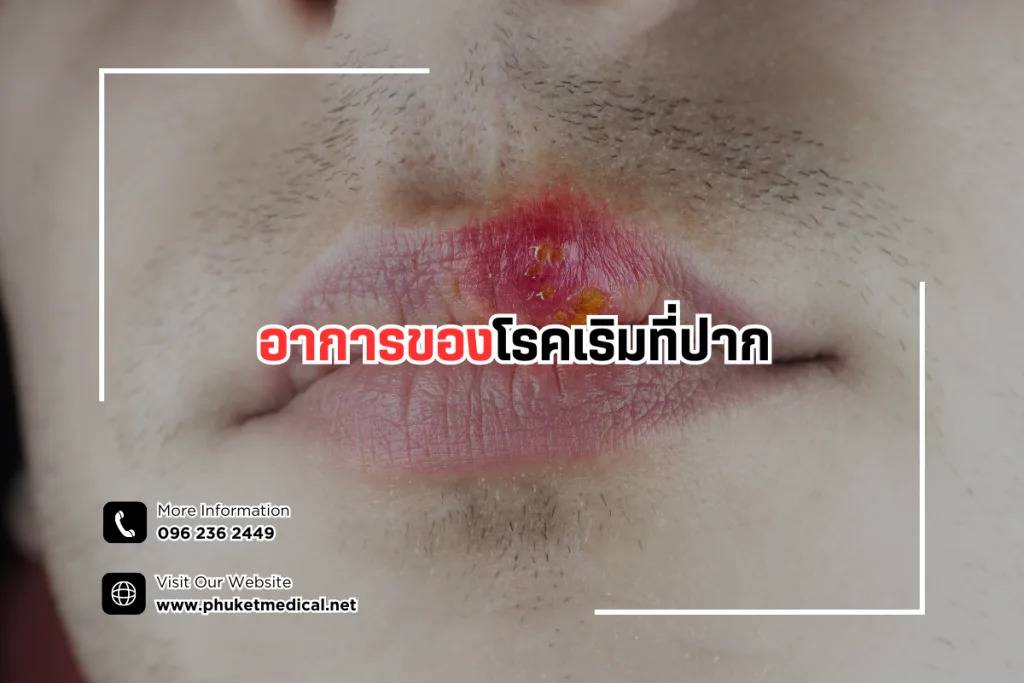
Symptoms of herpes on the mouth
Symptoms of herpes on the mouth can be divided into stages. Each stage has the following characteristics:
- Initial symptoms: A burning sensation at the junction between the lips and skin or inside the mouth, and itching or irritation at the point where the virus is starting to form.
- The most obvious symptoms are blisters that look like grapes, appearing on the upper or lower lips or in the mouth, and the mouth starts to become swollen, red, and painful. These blisters may burst, becoming open sores, and accompanied by fever, headache, fatigue, and weakness.
- Duration of symptoms: These symptoms usually last about 2 weeks, and can be transmitted to others until all sores have healed completely.
Stages of herpes on the mouth
Herpes on the mouth has a clear stage of disease development, which can be divided as follows:
- Stage 1: Initial Stage: The patient will feel itchy or irritated around the lips, which is the first sign of herpes.
- Stage 2: Blister Stage: Small blisters will start to appear on the lips or in the mouth. These blisters will last for about 48 hours and may form into large groups.
- Stage 3: Ulceration Stage: The blisters will start to burst, becoming open sores with pustules. This stage is often more painful and hot, and the sores will expand.
- Stage 4: Scabbling Stage: The sores will start to dry up and scab over. This stage lasts about 7-10 days.
- Stage 5: Healing Stage: The scabs will fall off and the skin in that area will return to normal.
Complications of Oral Herpes
Although oral herpes is a common disease, in some cases, it can cause serious complications, such as:
- Infection of nearby tissues: The virus may spread to nearby areas, such as the eyes, causing herpetic keratitis, which can affect vision in the long term.
- Infection of the brain or meninges: In immunocompromised people, the virus may spread to the brain or meninges, causing severe symptoms, such as herpes encephalitis, which is characterized by a high fever. Severe headache, weakness, and may lead to seizures or coma.
- Impact on immunocompromised patients In patients with AIDS or those taking immunosuppressive drugs, herpes infections in the mouth can spread rapidly and be difficult to control.
Herpes in the mouth: How dangerous is it?
For the general public with normal immunity, herpes in the mouth is usually not serious. However, for those with compromised immunity, such as AIDS patients or those who have received an organ transplant, the infection can spread rapidly and lead to severe symptoms such as encephalitis, which can be fatal.
Is herpes in the mouth contagious?
Herpes in the mouth can be easily transmitted through behaviors related to contact with the secretions of an infected person. The causes and factors that increase the risk of infection include:
- Direct contact
- Kissing or close contact with someone who has herpes in the mouth
- Sharing personal items such as spoons, forks, glasses, towels, or cosmetics
- Performing oral sex
- If the mouth has a herpes wound, performing oral sex without protection can spread the infection to the genitals. Although the virus that causes herpes in the mouth (HSV-1) and genital herpes (HSV-2) are different viruses But it is possible to get infected across areas.
- Additional risks
- People who engage in risky behaviors, such as unprotected oral sex, may be at risk of contracting HIV if their mouth or genitals have open wounds.
- In cases where there is a suspicion of being at risk of contracting HIV, taking PEP (Post-Exposure Prophylaxis) within 72 hours of exposure can help reduce the chance of contracting the virus.
- For those at high risk in the long term, taking PrEP (Pre-Exposure Prophylaxis) is an effective method of prevention.
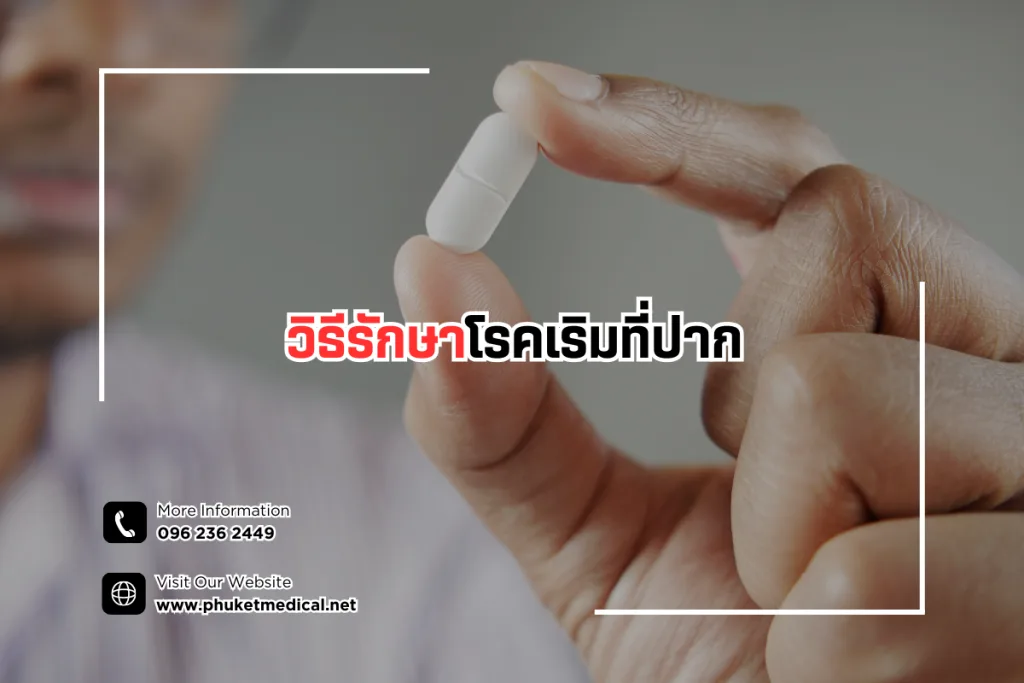
Treatment of herpes on the mouth
There are many ways to treat herpes on the mouth that can help relieve symptoms and reduce the duration of the disease. They can be divided into:
Home care
- Cold compresses Use ice or cold water to apply to the herpes area to reduce burning and stinging pain.
- Using herbs
- Aloe vera: Helps relieve burning and stinging pain and reduce inflammation.
- Female purslane: Helps reduce the severity of the sores and makes the blisters heal faster.
Using antiviral drugs
Using antiviral drugs is an effective treatment method and is recommended by doctors. Popular drugs include:
- Acyclovir is used to inhibit the growth of the HSV virus and reduce the time the sores appear.
- Famcyclovir is highly effective in treating herpes and helps prevent recurrence of the disease.
- Valacyclovir is used in the early stages of symptoms to reduce the spread of the infection.
Note: The drug should be started from the first symptoms, such as burning or itching, for the drug to be most effective.
Self-care when having herpes on the mouth
Herpes on the mouth can be annoying and inconvenient in daily life. If treated properly, it can reduce the severity of the symptoms and prevent the spread of the infection to others. Self-care guidelines for oral herpes are as follows:
- Avoid touching the blisters. Do not try to pick, scratch or squeeze the blisters because it can spread the virus to other parts of the body or cause secondary bacterial infections.
- Keep the wound area clean. Use a clean cloth soaked in saline or cooled boiled water to gently wipe the wound area to reduce the accumulation of germs. If there is a wound in the mouth, rinse your mouth with warm salt water to reduce inflammation.
- Get enough rest. The body needs rest to recover and strengthen the immune system. You should sleep at least 7-8 hours a day.
- Drink plenty of water. You should drink enough clean water each day to help the body stay hydrated and reduce burning pain.
- Take medication according to the symptoms. If you have a fever, you can take a fever reducer such as paracetamol and wipe your body to reduce the body temperature.
- Choose the right food.
- Avoid processed foods such as pickled foods, fermented pork, fermented fish, shrimp paste or uncooked food.
- Avoid hot, spicy, salty foods and sour fruits such as lemons and grapefruits because they can make the sores more painful.
- It is recommended to eat foods rich in lysine, which helps reduce the growth of viruses, such as meat, fish, milk, bean sprouts and various beans.
- You should eat fresh vegetables and fruits every day, such as carrots, broccoli, apples or bananas, to strengthen your immune system.
- Avoid alcoholic beverages and energy drinks. These drinks can dehydrate you and make you weaker.
Prevention of herpes on the mouth
To avoid infection or recurrence of herpes on the mouth, you should follow these recommendations:
- Avoid contact with the secretions of infected people, such as avoiding kissing or close contact with people who have herpes, or avoid sharing items such as drinking glasses, spoons, forks or towels.
- Use condoms or dental dams. Protection during sex, including oral sex, is important because direct contact with secretions can spread the virus.
- Keep your body healthy, avoid stress because stress is an important trigger for herpes to recur, or exercise regularly to strengthen your immune system.
- Consult a doctor if your symptoms recur. If you have more than 6 cold sores a year, talk to your doctor about taking long-term antiviral medications, such as acyclovir or valacyclovir, to prevent recurrence. Avoid triggers. Avoid unprotected exposure to the sun, as sunlight can trigger a cold sore. Also, try to keep your oral health clean at all times.

Frequently Asked Questions About Herpes Oral
What is the difference between herpes or canker sores and thrush?
- Canker sores Oral herpes is caused by the Herpes Simplex Virus (HSV) infection. The initial symptoms are itching, tingling, or pain in the lips and skin junctions. Later, many blisters will appear together, which can develop into blisters and burst.
- Canker sores Canker sores are caused by an imbalance in the body or external factors such as dehydration, spicy food, and appear as round or oval sores, swelling, and pain in the mouth, such as on the tongue, cheeks, or inside the lips. The sores will be white or yellow and will not have blisters like herpes.
- Canker sores Oral herpes is often caused by a fungal infection at the corners of the mouth, causing sores at one or both corners of the mouth. They appear as red, tight, sore, or inflamed spots at the corners of the mouth, which is different from herpes, which appears as blisters.
Can herpes or canker sores be treated with herbs?
Canker sores or canker sores be relieved with herbs, such as the senna plant or the female senna plant, which have properties that reduce inflammation and relieve burning sensations. It can be purchased in the form of a cream at a drugstore. Apply the medicine to the external wound on the lips continuously for 4-5 days. However, you should strictly follow the pharmacist’s advice for safety.
How many days does it take for herpes on the mouth to heal?
The healing period of herpes on the mouth depends on each person.
- If there are no complications, the blisters and wounds usually heal within 2-6 weeks.
- If it spreads until the blisters turn into pus, it may take longer.
- For those who have been infected before, the symptoms may be less severe and the healing period will be faster.
Can I have sex with herpes on the mouth?
Having sex during the time of herpes on the mouth is at high risk of spreading the infection.
- Avoid oral sex, kissing, or direct lip contact.
- Use a condom or dental dam to prevent the spread of the infection.
- If necessary, consult a doctor to use antiviral drugs to reduce the chance of spreading the infection.
I have frequent herpes on the mouth. What should I do?
- Adjust your behavior and take care of your health. Get enough rest and avoid stress. Or exercise and eat healthy food to strengthen your immune system.
- Avoid triggers Avoid immunosuppressive drugs such as steroids and avoid contact with people with herpes. Avoid sharing personal items.
- See a doctor. If herpes occurs more than 6 times a year, consult a doctor to consider taking daily antiviral medications to reduce the chance of recurrence.
Can I pop the blisters if I have herpes on my mouth?
You should not pop the herpes blisters because: It may spread the virus to other areas and increase the risk of secondary bacterial infections. Let the blisters burst and dry on their own, and take care of the wound area to be clean and tidy.
Get checked and treated for herpes on your mouth at Phuket Medical Clinic, Laguna Branch
Phuket Medical Clinic, Laguna Branch is a hospital that provides comprehensive services for checking and treating herpes on your mouth with international standards. The highlights are:
- Accurate diagnosis: Check the lesions and analyze the cause by a specialist doctor.
- Modern treatment: Use antiviral medications and provide personalized advice to reduce symptoms and prevent recurrence.
- Fast service: No long waiting times, with a private and safe atmosphere.
- Care Advice: Self-care and infection prevention advice
Phuket Medical Clinic Laguna Branch is ready to provide complete healthcare services for you and take care of every step!
Read more articles
- Herpes: Causes, Symptoms, Treatment and Prevention
- Syphilis: Causes, Symptoms, Treatment and Prevention
Contact Channels
Laguna Branch
- Phuket Medical Clinic, Laguna Branch is located at 58/1, Cherngtalay Subdistrict, Thalang District, Phuket Province 83100
- Open every day, Monday – Sunday, 09.00 – 22.00 hrs.
- Inquire via Line id. @pmcphuket (with @)
- Contact number 096 236 2449
- Clinic map https://maps.app.goo.gl/SXaeLrSU9Lx47YPH6
- Book an appointment online https://pmclaguna.youcanbook.me
Branch in the city
- Phuket Medical Clinic, Phuket City Branch is located at 41/7-41/8, Talat Nuea Subdistrict, Mueang Phuket District, Phuket Province 83000
- Open every day, Monday – Sunday, 09.00 – 22.00 hrs.
- Inquire via Line id. @pmcphuket (with @)
- Contact number 096 228 2449
- Clinic map https://maps.app.goo.gl/yeU9qNArGg3qdwZw9
- Book an appointment online https://phuketmedicalclinic.youcanbook.me
Boat Lagoon Branch
- Phuket Medical Clinic Boat Lagoon Branch is located at 20/96. Moo 2, Thepkrasattri Rd., Koh Kaew Subdistrict, Mueang Phuket District, Phuket Province 83000
- Open every day, Monday – Sunday, 10.00 – 18.00 hrs.
- Inquire via Line ID. @pmcphuket (with @)
- Contact number 096 696 2449
- Clinic map https://maps.app.goo.gl/HbqfUKMEHXuKwan96
- Book an appointment online https://pmctown.youcanbook.me
Oral herpes is a herpes simplex virus (HSV) type 1 infection that causes blisters on the lips or inside the mouth. It is easily spread through contact with bodily fluids, such as saliva, kissing, or sharing objects. Symptoms start as a burning, itching, or irritation and develop into blisters that may break and scab over within 1 to 2 weeks. Treatment is with antiviral medications, such as acyclovir or valacyclovir, to relieve symptoms and shorten the duration of the sores. Self-care measures, such as applying cold compresses, avoiding scratching, and getting enough rest, can help the sores heal faster.
Prevention of herpes on the mouth should be done by keeping clean, avoiding contact with the secretions of infected people, and maintaining good health. If symptoms recur frequently, consult a doctor for long-term prevention. Although herpes on the mouth is not serious, proper care and prevention can effectively reduce the spread and impact on health.
Reference
- Johns Hopkins Medicine.Herpes Simplex Virus (HSV) Infections. Detailed guide on HSV symptoms and treatment options.[ออนไลน์] เข้าถึงได้จาก https://www.hopkinsmedicine.org
- Mayo Clinic.Cold Sores (Oral Herpes): Symptoms, Causes, and Treatments.[ออนไลน์] เข้าถึงได้จาก https://www.mayoclinic.org
- Centers for Disease Control and Prevention (CDC).Herpes Simplex Virus Overview. Comprehensive information on herpes causes, symptoms, and treatment.[ออนไลน์] เข้าถึงได้จาก https://www.cdc.gov/herpes/
- สถาบันโรคผิวหนัง (Institute of Dermatology).คู่มือการรักษาโรคเริมที่ปาก และอวัยวะเพศ.[ออนไลน์] เข้าถึงได้จาก https://www.inderm.go.th
- สมาคมแพทย์ผิวหนังแห่งประเทศไทย.โรคเริม: สาเหตุ อาการ และการรักษา. ข้อมูลการดูแลโรคเริมอย่างถูกต้อง.[ออนไลน์] เข้าถึงได้จาก https://www.dst.or.th