
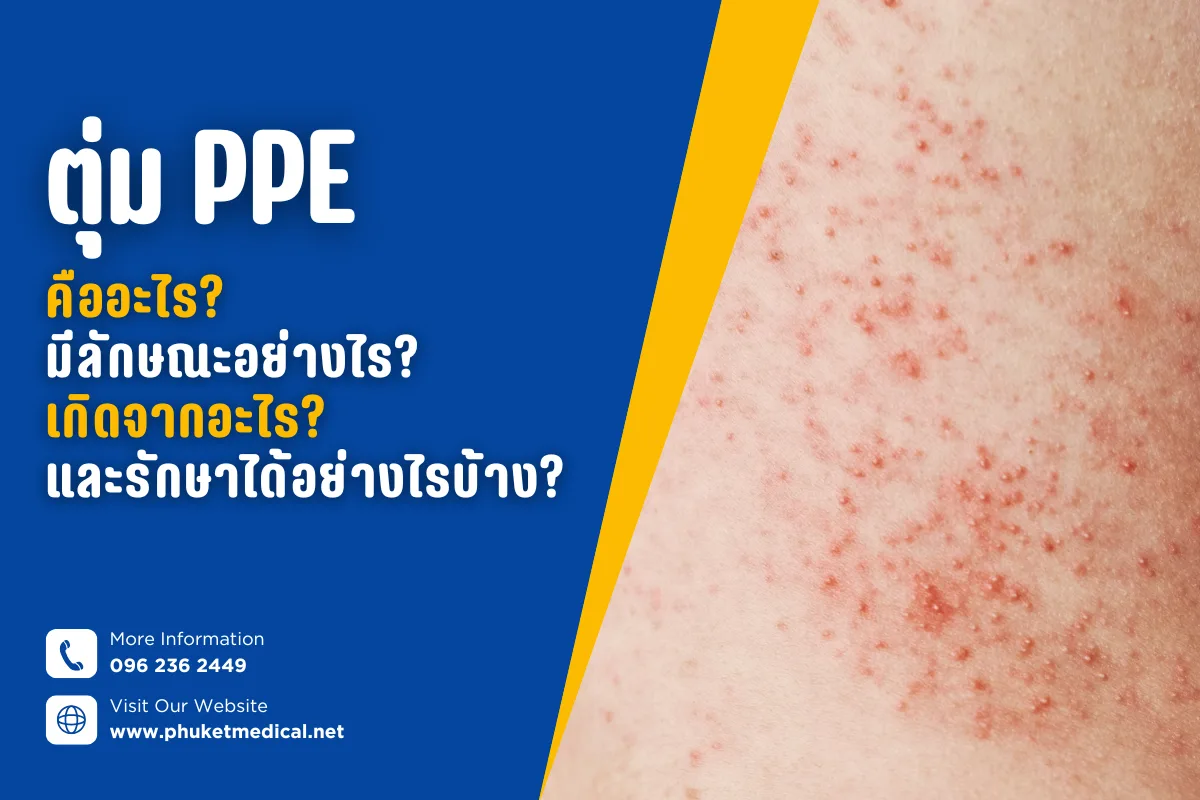
Sexually transmitted diseases and the effects of HIV come in many forms. One of the symptoms that many people with HIV experience and that has a significant impact on their quality of life is PPE bumps, a skin condition that indicates a compromised immune system and the severity of the infection. Therefore, get to know PPE bumps in detail to understand the symptoms, causes, and treatment and prevention methods.
What are PPE bumps?
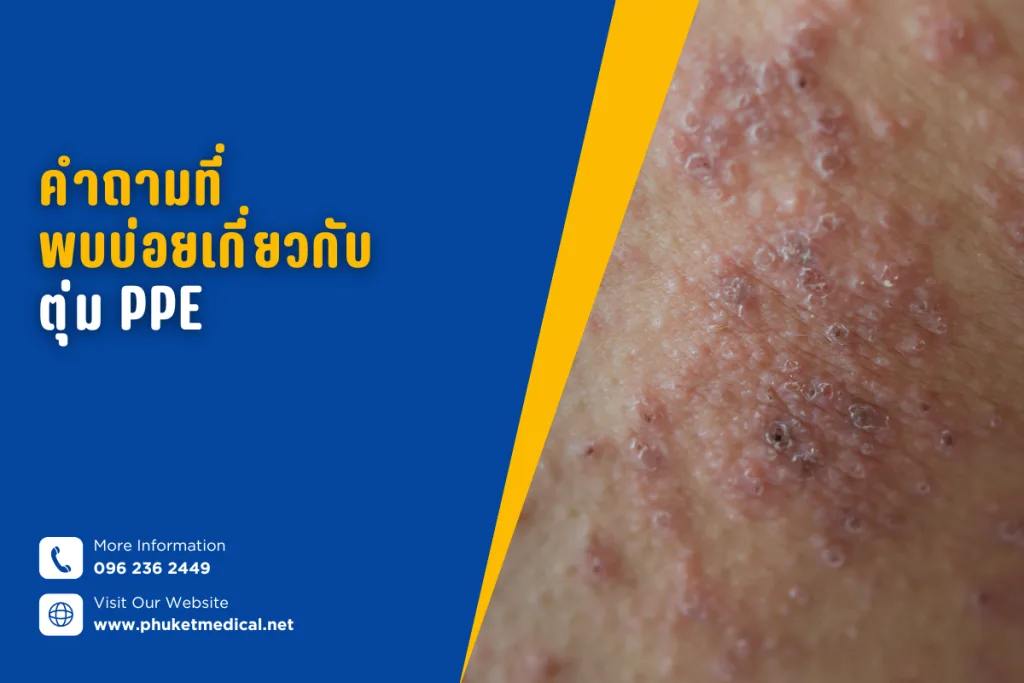
PPE bumps (PPE = Pruritic Papular Eruption in HIV) are skin conditions found in people infected with HIV, especially those with a weakened immune system or a CD4 white blood cell count of less than 200 cells/cubic millimeter. PPE bumps are characterized by being raised, red or flesh-colored bumps, approximately 5 millimeters or more in size, usually appearing on areas outside the clothing, such as the face, legs, arms, and neck, and can occur throughout the body. Patients often experience severe itching, which may lead to scratching, which may lead to secondary bacterial skin infections, causing the bumps to turn into pus or spread into thick, scaly rashes.
Characteristics of PPE bumps
- Pimples are raised, red or brown bumps, larger than 5 millimeters, similar to insect bites and stings, and are spaced equally apart.
- Area of occurrence: Can be found both inside and outside the clothing, but is more common outside the clothing, such as the face, cheeks, neck, head, hairline, and arms and legs.
- Other symptoms: Severe itching, if scratched, may cause secondary bacterial infection or pus-filled wounds.
- Traces after healing: The bumps often leave dark marks or discolored skin. Make it look uneven
- Other symptoms in HIV-infected people People who have PPE bumps often have fungal infections in the mouth, skin or vagina and have white patches in the mouth that spread to the tongue, including being at risk of skin cancer.
Causes of PPE bumps
PPE bumps are skin symptoms that are not directly caused by germs. But it occurs in HIV-infected people who have a severe immune system deficiency. The group of patients who often show this symptom will have a CD4 level of less than 75 cells/ml or CD4% less than 5%, resulting in the body being unable to effectively fight foreign substances.
When a foreign substance enters the body, the body tries to respond by stimulating the immune system. This reaction causes skin inflammation and itchy bumps. Treatment of PPE bumps must be done continuously and correctly because these bumps take a long time to subside.
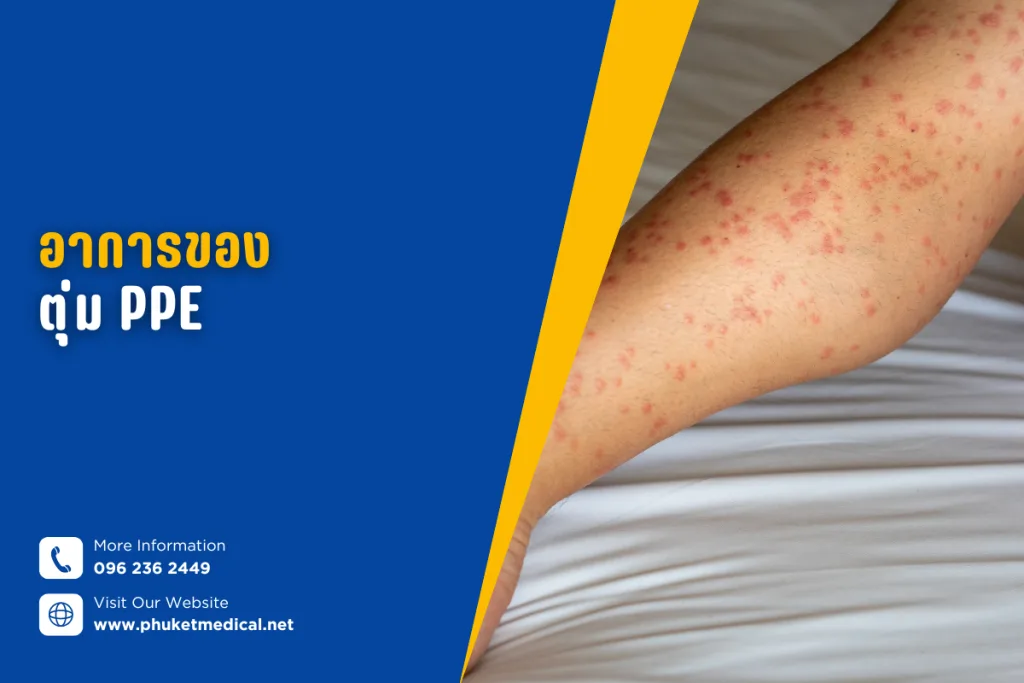
Symptoms of PPE bumps
PPE bumps often occur in people with HIV who are in a stage of low immunity. Common symptoms include:
- Itchy bumps, red or brown bumps, approximately 5 millimeters in size
- Diffuse throughout the body, found both inside and outside the clothing, such as the trunk, arms, legs, and face
- Blood congestion, blood congestion may occur in the area of the bumps
- There is a chance of pus if the patient scratches the bumps, causing secondary bacterial infections
- Low immunity, bumps tend to increase in number when the CD4 count is less than 200 cells/ml
PPE bumps can leave scars or dark spots on the skin after they subside, which takes a long time to heal.
Early stage PPE bumps
In the early stages of HIV infection, patients often have flu-like symptoms, such as fever, sore throat, body aches, and rashes. When the immune system is weakened, symptoms will start to appear on the skin, such as
- Itchy, red, raised bumps on the trunk, arms, legs, and face
- The bumps are single bumps, unlike a typical rash
- Severe itching, especially in areas exposed to sunlight
When the bump subsides It may leave scars on the skin, such as dark spots or raised bumps that take months or years to heal.
Complications of PPE bumps
PPE bumps can lead to complications in people with HIV, including:
- Scars and dark spots: Scratching the bumps can cause scars and dark spots that are difficult to heal.
- Secondary infections: Such as bacterial or fungal infections.
- Opportunistic infections: A low immune system puts people at risk of viral and fungal skin infections.
- Chronic skin problems: Such as dandruff, seborrheic dermatitis, or chronic rashes.
Are PPE bumps dangerous?
Although PPE bumps are not contagious, people with HIV who show symptoms of these bumps often have low immunity, which puts them at risk of further infection. People who have been in close contact with the person should avoid contact with bodily fluids, such as pus or blood, since HIV can be transmitted through bodily fluids.
Being careful about contact and avoiding sharing items with people who are HIV-infected are the best ways to reduce your risk.
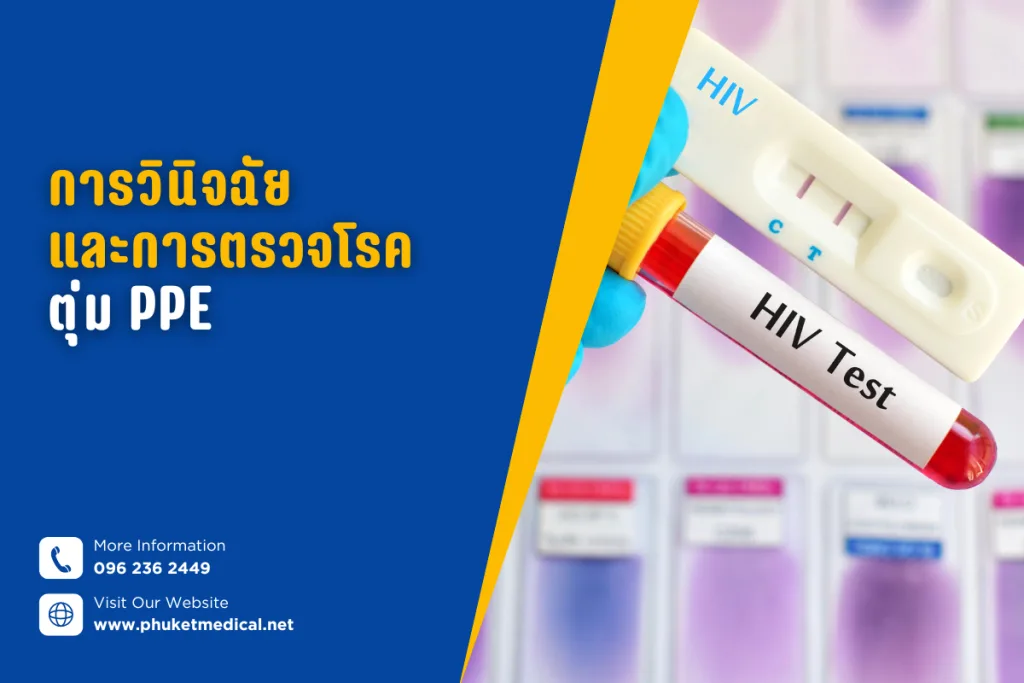
Diagnosis and testing for PPE blister disease
If you have symptoms similar to PPE blister, you should see a doctor who is an expert in HIV infection for diagnosis and to check if the symptoms are really PPE blister. The test will focus on testing for HIV and evaluating the body’s immune system by checking the CD4 white blood cell count.
How to test for HIV
Currently, there are many modern and accurate methods of testing for HIV, including:
- HIV p24 Antigen Testing is used to detect proteins that are components of HIV in the early stages after infection.
- HIV Ag/Ab Combination Assay is a test that combines the testing of antibodies specific to HIV and HIV protein antigens.
- Anti-HIV Testing tests for specific antibodies to HIV (Anti-HIV Testing) tests for the immunity that the body produces to fight HIV.
- Nucleic Acid Amplification Testing (NAT) is a method that can detect HIV. It is obtained in the earliest stages of infection by testing for the RNA of the virus.
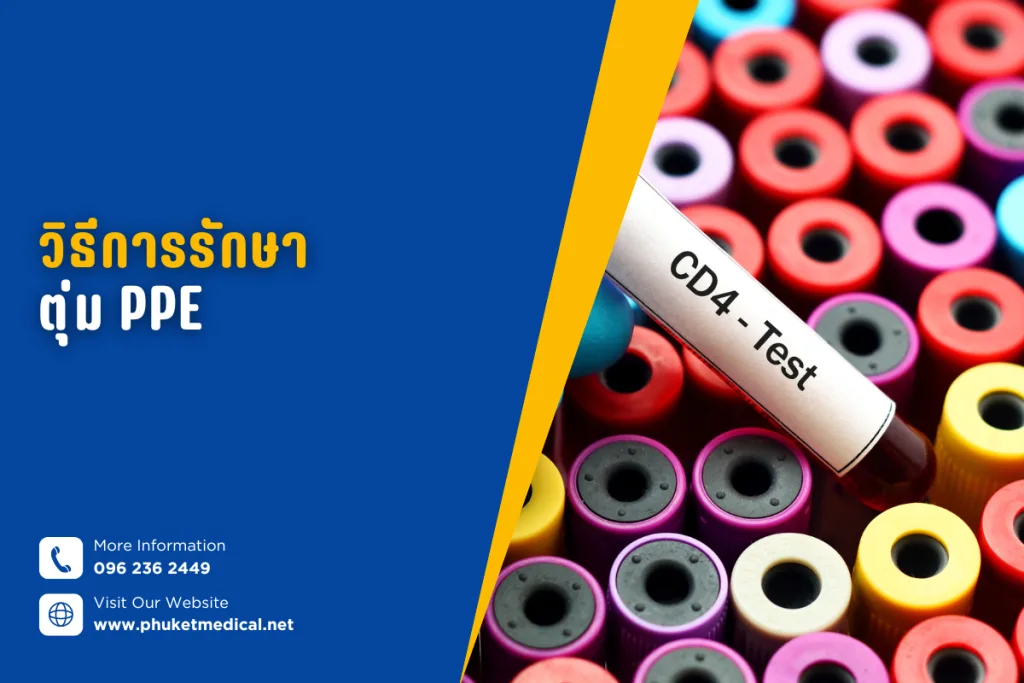
CD4 count test
A CD4 test helps assess whether the body’s immune system is still strong. It uses a sample of blood to test. In general, healthy people, the CD4 value will be in the range of 500–1,200 cells/cubic meter. However, for people with HIV who have a CD4 count of less than 200 cells/cubic meter, they are at risk of developing complications, including PPE blisters.
How to treat PPE bumps
Treatment according to symptoms
- Avoid picking or scratching to reduce the chance of secondary bacterial infection and prevent scarring
- Skin care, use moisturizers to prevent dry skin or apply anti-itching medications, such as high-concentration steroids (should be used with caution, no more than 2 weeks to prevent side effects)
- Take antihistamines to reduce itching
Treatment of the root cause
- Increasing the number of CD4 white blood cells Increasing immunity in the body can be done by taking antiretroviral (ARV) drugs that help inhibit the division of HIV.
- Reducing HIV Viral Load Reducing the amount of viruses in the body with antiretroviral drugs will help the body’s immune system work better.
Treatment goals
Increasing the number of CD4 white blood cells to more than 200 cells/cubic meter and reducing the viral load of HIV to the lowest will help the body have better immunity, reducing the chance of PPE rash and other complications.

PPE rash prevention
PPE rash (Pruritic Papular Eruption) does not occur in everyone infected with HIV, but is a result of a severely impaired immune system. Therefore, PPE rash prevention is directly related to health care and prevention of HIV infection from the beginning.
PPE rash prevention by taking care of infected people
If you are infected with HIV and want to prevent PPE rash, proper health care and treatment are important. The guidelines are as follows:
- Take antiretroviral therapy (ART) regularly. Antiretroviral therapy reduces the amount of HIV in the body and increases the number of CD4 white blood cells so that the immune system can work effectively.
- See your doctor as scheduled. You should have a health check-up and follow up on your treatment results regularly to adjust the treatment plan if necessary.
- Avoid triggers that may cause itching or irritation, such as using products with strong chemicals, perfumes, or scratching the skin.
- Keep your body clean, shower regularly with mild soap, and moisturize your skin.
HIV infection prevention from the beginning
PPE rash prevention can start from reducing the chances of getting HIV by using appropriate prevention methods, as follows:
- Wear a condom every time you have sex. Condoms are the most effective way to prevent HIV infection. and other sexually transmitted diseases
- Avoid frequent sex partners. Having multiple partners increases the risk of contracting HIV and sexually transmitted diseases.
- Not sharing needles or syringes with others is an important way to prevent HIV infection among drug users.
- Get a blood test before marriage or planning to have children. Getting a blood test is an active prevention that reduces the risk of spreading HIV to your spouse or children.
Frequently Asked Questions About PPE Bumps
Are PPE Bumps Scary?
PPE bumps (Pruritic Papular Eruption) may initially look no different from mosquito bites or insect stings. However, if scratched, it may cause secondary infections such as pus or more severe inflammation. In addition, the subsided bumps may leave scars or dark spots on the skin. In some cases, it may take months or years for these scars to fade.
Can PPE bumps heal on their own?
PPE bumps occur when the body’s immune system is impaired, especially in people with HIV who have a CD4 level of less than 200 cells/cubic meter. To treat PPE bumps, it is necessary to increase the body’s immune system by using antiretroviral drugs (ARVs), which will help increase CD4. The bumps will gradually decrease and the chances of PPE bumps recurring will decrease.
How many days does it take for PPE bumps to heal?
The treatment time for PPE bumps may vary from person to person. Depending on the CD4 level and response to antiviral drugs, PPE bumps may initially improve within 2-4 weeks after starting strict antiviral drugs, but the sores or dark spots from the bumps often take longer to heal completely.
Are PPE bumps the same in men and women?
PPE bumps appear the same in both men and women, regardless of gender, but depend on the CD4 level in the body. If the CD4 level drops below normal (below 200 cells/cubic meter), PPE bumps will occur in both sexes. They appear as raised, red or flesh-colored bumps, are very itchy, and spread all over the body, especially in areas outside clothing, such as the arms, legs, or face.
Check and treat PPE bumps at Phuket Medical Clinic, Laguna Branch
Phuket Medical Clinic, Laguna Branch provides testing and treatment for PPE bumps caused by HIV by a team of specialized doctors with modern equipment and treatment methods.
Services at Phuket Medical Clinic
- Diagnostics
- HIV testing With accurate methods such as CD4 and HIV Viral Load testing
- Diagnose PPE bumps to differentiate them from other skin conditions
- Treatment
- Treat symptoms such as anti-itching drugs, steroids, and anti-infective drugs
- Boost immunity with antiretroviral therapy (ART)
- Counseling
- Suggest self-care methods to reduce the occurrence of PPE bumps
- Prevent re-infection and maintain overall health
Read more articles
- Herpes: Causes, Symptoms, Treatment and Prevention
- Genital warts: The truth you should know about prevention and treatment
Contact Channels
Laguna Branch
- Phuket Medical Clinic, Laguna Branch is located at 58/1, Cherngtalay Subdistrict, Thalang District, Phuket Province 83100
- Open every day, Monday – Sunday, 09.00 – 22.00 hrs.
- Inquire via Line id. @pmcphuket (with @)
- Contact number 096 236 2449
- Clinic map https://maps.app.goo.gl/SXaeLrSU9Lx47YPH6
- Book an appointment online https://pmclaguna.youcanbook.me
Branch in the city
- Phuket Medical Clinic, Phuket City Branch is located at 41/7-41/8, Talat Nuea Subdistrict, Mueang Phuket District, Phuket Province 83000
- Open every day, Monday – Sunday, 09.00 – 22.00 hrs.
- Inquire via Line id. @pmcphuket (with @)
- Contact number 096 228 2449
- Clinic map https://maps.app.goo.gl/yeU9qNArGg3qdwZw9
- Book an appointment online https://phuketmedicalclinic.youcanbook.me
Boat Lagoon Branch
- Phuket Medical Clinic Boat Lagoon Branch is located at 20/96. Moo 2, Thepkrasattri Rd., Koh Kaew Subdistrict, Mueang Phuket District, Phuket Province 83000
- Open every day, Monday – Sunday, 10.00 – 18.00 hrs.
- Inquire via Line ID. @pmcphuket (with @)
- Contact number 096 696 2449
- Clinic map https://maps.app.goo.gl/HbqfUKMEHXuKwan96
- Book an appointment online https://pmctown.youcanbook.me
PPE rash is not a scary disease if taken care of and treated properly. Because PPE rash is a skin symptom found in people infected with HIV, which is caused by a weakened immune system. Patients with PPE rash often have severe itching and red bumps that spread throughout the body. Treatment requires continuous antiviral medication and regular CD4 level monitoring to control the symptoms of PPE rash and reduce the risk of future complications.
Reference
- Centers for Disease Control and Prevention (CDC). Pruritic Papular Eruption (PPE) in HIV. Comprehensive details on causes, symptoms, and management. [ออนไลน์] เข้าถึงได้จาก https://www.cdc.gov/hiv/
- World Health Organization (WHO). HIV/AIDS and Skin Conditions: PPE and Related Complications. Guidelines for Diagnosis and Treatment. [ออนไลน์] เข้าถึงได้จาก https://www.who.int
- กรมควบคุมโรค กระทรวงสาธารณสุขแห่งประเทศไทย. เอกสารแนวทางการดูแลและรักษาผู้ป่วยเอชไอวีในประเทศไทย. ข้อมูลเกี่ยวกับตุ่ม PPE และการจัดการอาการ. [ออนไลน์] เข้าถึงได้จาก https://www.ddc.moph.go.th
- Thai Red Cross AIDS Research Centre. การดูแลผู้ติดเชื้อเอชไอวี: อาการทางผิวหนังและตุ่ม PPE. รายละเอียดการรักษาและการป้องกัน. [ออนไลน์] เข้าถึงได้จาก https://www.trcarc.org
- สถาบันบำราศนราดูร. คู่มือการรักษาอาการทางผิวหนังในผู้ติดเชื้อ HIV. [ออนไลน์] เข้าถึงได้จาก https://www.bamras.org