
Sexually transmitted infections (STIs) remain a significant public health concern today. While many believe certain STIs like syphilis have disappeared, the reality is that the disease is still prevalent—especially among teenagers and young adults. According to public health authorities, the number of syphilis cases among adolescents has risen alarmingly in recent years, signaling the need for greater awareness, prevention, and routine screening.
Syphilis is often called a silent threat because many infected individuals are unaware of their status in the early stages. Symptoms may be mild or disappear on their own, leading to delayed diagnosis. However, if left untreated, the disease can progress and cause serious, potentially life-threatening complications. Fortunately, syphilis can be easily detected through a blood test and is highly treatable with effective antibiotics.
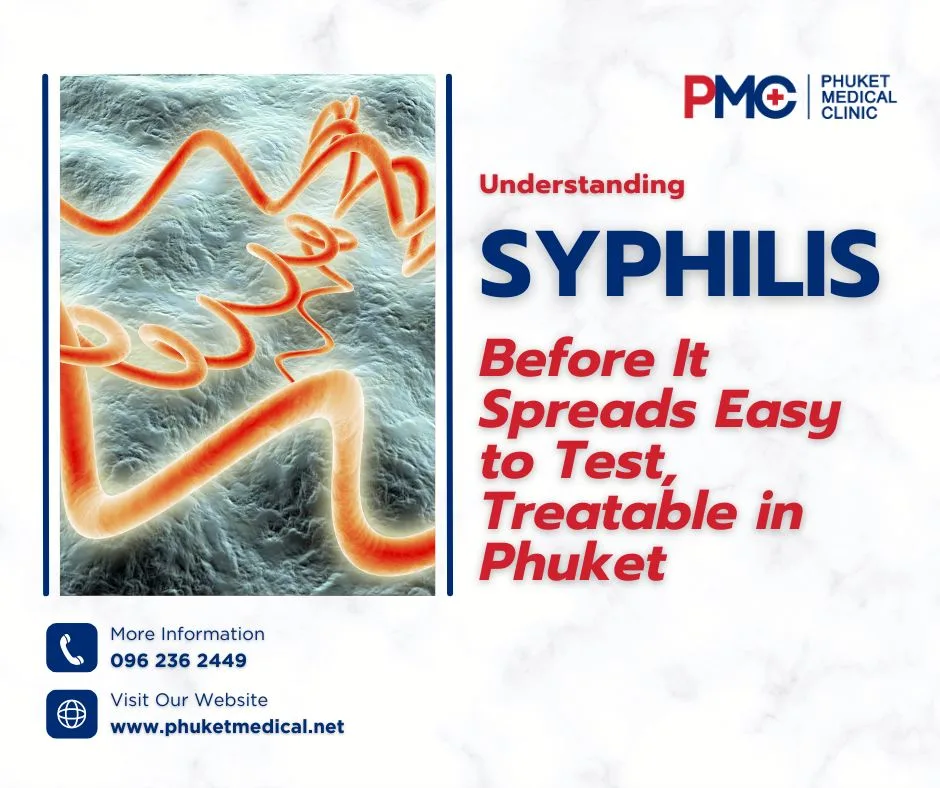
What is Syphilis?
Syphilis is a sexually transmitted infection (STI) caused by a bacterium called Treponema pallidum. This spiral-shaped bacterium can enter the body through mucous membranes or open wounds in the skin. Infection typically occurs through unprotected sexual contact with an infected person—whether vaginal, anal, or oral. Direct contact with a syphilitic sore (called a “chancre”) on the genitals, anus, or mouth can transmit the infection easily. In some cases, syphilis can also be transmitted from mother to child during pregnancy or childbirth if the mother is infected and untreated.
Syphilis is classified as a venereal disease, which was once a major public health crisis before the development of effective antibiotic treatments. However, in recent years, syphilis has re-emerged in many countries, including Thailand. It can affect people of all genders and ages—from teens to adults. Without treatment, the bacterium can spread through the bloodstream to various organs, leading to severe complications or even death if left unaddressed.
Causes of Syphilis
Syphilis is caused by infection with the Treponema pallidum bacterium. The most common route of transmission is through unprotected sexual contact with an infected individual. This includes vaginal, anal, or oral sex. If a sexual partner has a syphilitic sore (chancre) on the genitals, anus, or mouth, direct contact with the sore can transmit the infection. Even kissing can spread the disease if the sore is located in the mouth or throat.
Another significant transmission route is from mother to child. If a pregnant woman is infected and goes untreated, the bacterium can cross the placenta and infect the baby in the womb, leading to congenital syphilis. This condition can result in birth defects or severe complications for the infant.
Although rare today, syphilis can also be transmitted through blood contact or sharing needles, such as among individuals who use intravenous drugs. However, due to rigorous blood donation screening protocols, blood-borne transmission is extremely uncommon in modern healthcare settings.
Why Is Syphilis Increasing Among Teenagers Today?
In recent years, the number of syphilis cases among teenagers has risen significantly, causing concern among public health authorities and parents alike. There are several key reasons why syphilis is increasingly found among adolescents today:
- Changing Sexual Behavior: Modern teenagers often begin sexual activity at a younger age compared to previous generations and tend to have more open attitudes toward sexuality. Social media and dating apps make it easier and faster to meet new people, which increases the likelihood of casual or non-monogamous sexual encounters. Without proper protection, these interactions significantly raise the risk of contracting sexually transmitted infections (STIs), including syphilis.
- Lack of Knowledge and Comprehensive Sex Education: Despite living in the information age, many young people still lack accurate understanding about STIs and how to prevent them. Some mistakenly believe that syphilis is a disease of the past or only affects older people, which leads to carelessness in protecting themselves during sex. In addition, embarrassment or fear may discourage teens from buying condoms or getting tested, resulting in missed opportunities for early diagnosis and prevention.
- Inconsistent Use of Condoms: Condom use is one of the most effective ways to prevent STIs. However, reports indicate that a significant number of teenagers do not use condoms consistently. This may be due to negligence, inconvenience, or the false assumption that their partner “looks clean” or seems healthy. Inconsistent condom use facilitates the spread of syphilis among sexually active youth.
- Complacency Due to Treatability: Some teenagers may adopt a relaxed attitude, thinking that STIs are easily curable with medication. This false sense of security often stems from the abundance of information about STI treatments available online and the fact that antibiotics can effectively treat syphilis. However, many overlook the potential complications or the risk of unknowingly transmitting the infection to others before it is diagnosed and treated.
As a result of these factors, the syphilis infection rate among teenagers continues to rise. Data from Thailand’s Department of Disease Control reveals that the syphilis rate among youth aged 15–24 has nearly tripled in recent years. This statistic highlights the urgent need for society to emphasize comprehensive sex education, promote awareness, and improve access to safe and youth-friendly STI prevention and testing services.
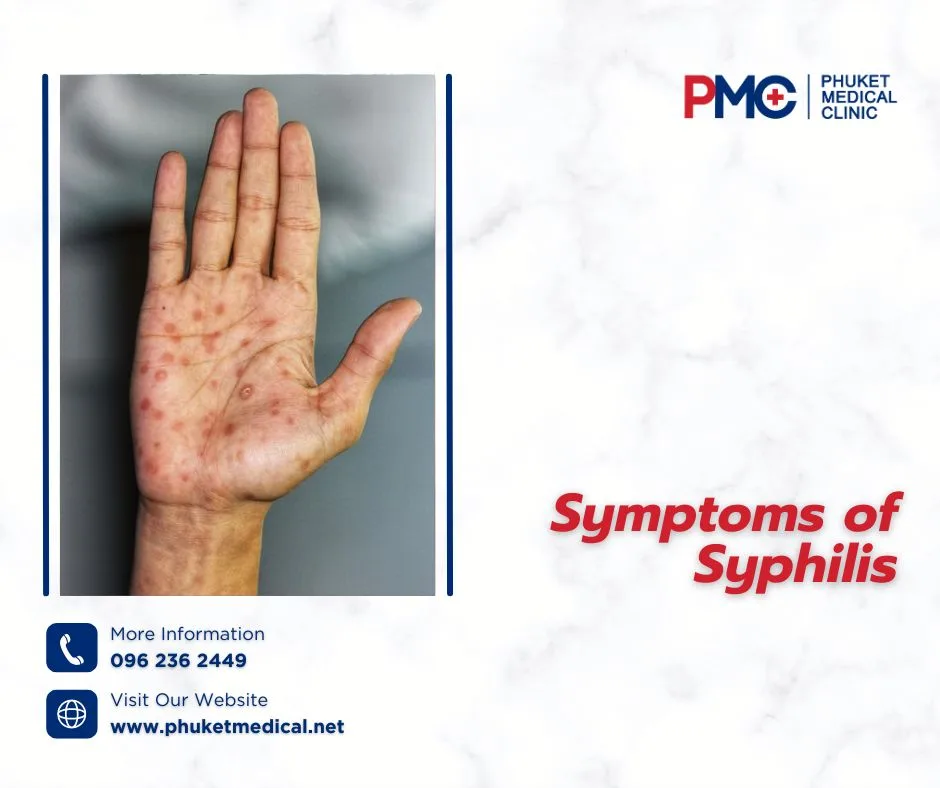
Symptoms of Syphilis
Syphilis progresses in distinct stages, each with different symptoms. These symptoms may disappear on their own without treatment, but this does not mean the infection is gone. Without proper treatment, the bacteria remain in the body and continue to the next stage. Syphilis symptoms are generally divided into three main stages, with a latent phase in between:
- Stage 1: Primary Syphilis This initial stage occurs about 10–90 days after infection (typically around 3 weeks). The main symptom is a small sore at the site where the bacteria entered the body. This sore, known as a chancre, is typically painless, firm, round, and shallow, with raised edges. It commonly appears on the genitals, anus, or mouth, depending on the method of transmission. For example, chancres appear on the genitals or around the anus after vaginal or anal sex, and on the lips or throat after oral sex. There may be one or multiple sores, which usually last for 3–6 weeks and then heal on their own. However, the bacteria remain in the body and progress to the next stage.
- Stage 2: Secondary Syphilis If left untreated, the bacteria spread through the bloodstream, leading to the second stage of infection, which usually begins a few weeks to months after the initial infection. Common symptoms include a skin rash that may appear on various parts of the body, especially on the palms, soles, arms, legs, or torso. The rash is typically reddish or brownish, flat or slightly raised, and usually non-itchy. Other signs may include white patches inside the mouth and moist, wart-like lesions called condyloma lata in moist areas such as around the genitals or anus. Additional symptoms may include low-grade fever, headache, swollen lymph nodes, sore throat, or fatigue. These symptoms may persist for weeks and can come and go before entering the latent stage.
- Latent Syphilis In this phase, the infection remains in the body without visible symptoms. The latent stage can last for years, during which many people mistakenly believe they are cured. However, the bacteria are still present and detectable through blood tests. The latent stage is divided into early latency (within one year of infection) and late latency (after one year). Without treatment, the infection can become active again or progress to the more severe tertiary stage.
- Stage 3: Tertiary Syphilis This final and most severe stage can occur in individuals who remain untreated for years. The bacteria begin to damage various tissues and organs in the body. Symptoms vary depending on the affected organ systems and can be life-threatening. Complications include:
- Gummas: Chronic soft tissue lesions or tumors that can affect the skin, muscles, and bones.
- Neurosyphilis: Affects the brain and nervous system, causing issues such as meningitis, numbness, muscle weakness, paralysis, or even dementia.
- Cardiovascular Syphilis: Damages the heart and major blood vessels, potentially leading to aortic aneurysm, inflammation of blood vessels, or heart failure.
At this stage, multiple systems may be affected simultaneously, and without treatment, the condition may become fatal.
Important Note: Some people with syphilis may not exhibit obvious symptoms, especially in the early or latent stages. Therefore, a blood test is the most reliable method to confirm infection. One should not wait until severe symptoms appear before getting tested. If you know you’ve had unprotected sex or suspect exposure to infection, early screening helps detect syphilis in time and ensures effective treatment.
Complications of Syphilis
If syphilis is left untreated, it can lead to severe complications and long-term health consequences, including:
- Neurological Impact: When syphilis spreads to the brain and spinal cord (neurosyphilis), it can cause significant neurological issues. Symptoms may include severe headaches, stiff neck, vision problems (such as blurred vision or blindness), hearing loss, or numbness in the limbs. In more severe cases, it can lead to dementia, memory loss, balance problems, or paralysis. Some symptoms may not fully recover even after the infection is cured.
- Cardiovascular Effects: Late-stage syphilis can damage the heart and blood vessels. It may lead to an aortic aneurysm (bulging of the main artery wall) or vasculitis (inflammation of the blood vessels), both of which are dangerous conditions that can result in heart failure or vascular rupture.
- Chronic Lesions in Organs: Gummas are chronic lumps or sores caused by long-term syphilis infection. They can develop in various body parts such as the skin, bones, liver, or other organs. These lesions may destroy surrounding tissues and impair the function of vital organs if located in critical areas.
- Increased Risk of HIV Infection: Syphilitic sores on the genitals or mouth significantly increase the risk of HIV transmission, as open wounds provide easier access for the virus. Research shows that individuals with syphilis are many times more likely to contract HIV if they engage in risky behaviors. Thus, syphilis not only poses a danger on its own but also heightens vulnerability to other serious STIs.
- Impact on Pregnancy and Infants: Pregnant women with untreated syphilis may face complications such as miscarriage, stillbirth, or delivering a baby with congenital syphilis. Infants may show symptoms such as an enlarged liver or spleen, widespread rash, delayed development, skeletal deformities, and have a high risk of death in infancy. Congenital syphilis is preventable through early screening and treatment during pregnancy.
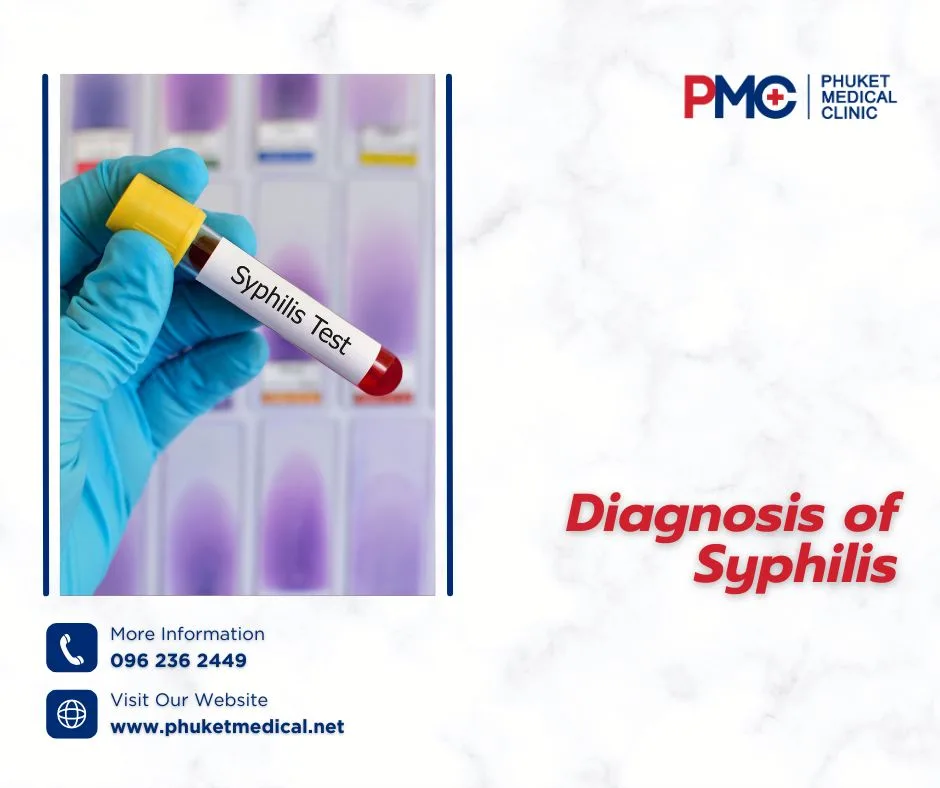
Diagnosis of Syphilis
Syphilis is diagnosed through medical history, physical examination, and specific laboratory tests. The general process includes:
- Medical History and Physical Examination: Doctors will ask about risk factors such as unprotected sex, number of sexual partners, condom use, and any observed symptoms such as genital sores or unusual rashes. A detailed physical exam will follow, especially checking the genitals, mouth, throat, and lymph nodes for signs of syphilis at different stages.
- Blood Tests for Syphilis: This is the primary method for confirming infection and involves two stages:
- Screening Test – Tests like VDRL or RPR detect antibodies produced in response to syphilis.
- Confirmatory Test – If the screening test is positive, specific tests such as TPHA, FTA-ABS, or other treponemal assays are used to directly confirm syphilis infection.
- These two-step tests help reduce false positives and improve diagnostic accuracy.
- Additional Testing (If Necessary): If there is suspicion of neurosyphilis, doctors may perform a lumbar puncture to examine cerebrospinal fluid. Additionally, all pregnant women should be screened for syphilis during prenatal care to prevent transmission to the baby and ensure timely treatment.
Syphilis testing is simple and fast. Laboratory tests typically return results in a few days, and rapid tests can deliver results within 15–30 minutes. Blood testing for syphilis is straightforward and should be a regular practice for those at risk to ensure early detection and timely treatment.
Treatment of Syphilis
Modern treatment for syphilis is highly effective, using antibiotics that can successfully eliminate the Treponema pallidum bacteria. The treatment approach depends on the stage of the disease and the patient’s condition:
- Primary Antibiotic (Penicillin): The first-line treatment for syphilis is penicillin, the most effective antibiotic against the syphilis bacteria. For early-stage syphilis (primary or secondary), a single intramuscular injection of 2.4 million units of benzathine penicillin G is usually sufficient for otherwise healthy adults. However, if the infection has been present for over a year (late latent stage) or has progressed to the tertiary stage, weekly injections for three consecutive weeks may be required to ensure complete eradication. For neurosyphilis (syphilis affecting the nervous system), patients will need high-dose intravenous penicillin administered continuously over several days, usually requiring hospitalization.
- For Penicillin-Allergic Patients: In patients with a severe allergy to penicillin, doctors may consider alternative antibiotics such as doxycycline or tetracycline, taken orally for 2–4 weeks depending on the stage of infection. In some cases, ceftriaxone (administered intramuscularly or intravenously) may also be used. The choice of substitute medication must be tailored to the patient’s health and carefully supervised by a physician.
- Initial Side Effects of Treatment: Some patients may experience a Jarisch-Herxheimer reaction shortly after receiving their first dose of antibiotics. This occurs when the syphilis bacteria die off rapidly, releasing toxins that cause symptoms like fever, chills, headache, or temporary low blood pressure. While potentially alarming, this reaction is not dangerous and usually resolves on its own within 24 hours. Informing the doctor can help ensure appropriate symptomatic treatment, such as fever reducers or IV fluids.
- Follow-Up After Treatment: After completing the antibiotic course, patients will be scheduled for follow-up blood tests at intervals (e.g., 3, 6, and 12 months) to assess the treatment’s effectiveness. These tests monitor changes in antibody levels (such as a decreasing RPR titer). If antibody levels do not decline as expected, doctors may consider retreatment or investigate other causes, such as reinfection.
Can Syphilis Be Cured Completely?
The answer to this question is yes.
Syphilis can be completely cured if diagnosed and treated correctly in the early stages. Antibiotics, especially penicillin, are highly effective at eradicating the bacteria from the body. Most patients who receive appropriate treatment recover fully without any remaining infection.
However, curing the infection only means eliminating the bacteria—it does not reverse any permanent damage that may have already occurred, particularly in advanced stages. For instance, damage to the nervous or cardiovascular system from late-stage syphilis may be irreversible, even after successful bacterial eradication.
Another important point: Successful treatment does not confer lasting immunity. A person who has been treated and cured of syphilis can be reinfected if exposed again through risky behavior. Therefore, even after a cure, it is essential to practice safe sex—such as consistent condom use and having mutually monogamous partners known to be uninfected.
In Summary: Syphilis is a medically curable disease, especially when detected early. Still, prevention remains the best approach—through safe sex practices and routine health screenings to reduce the risk of infection or transmission.
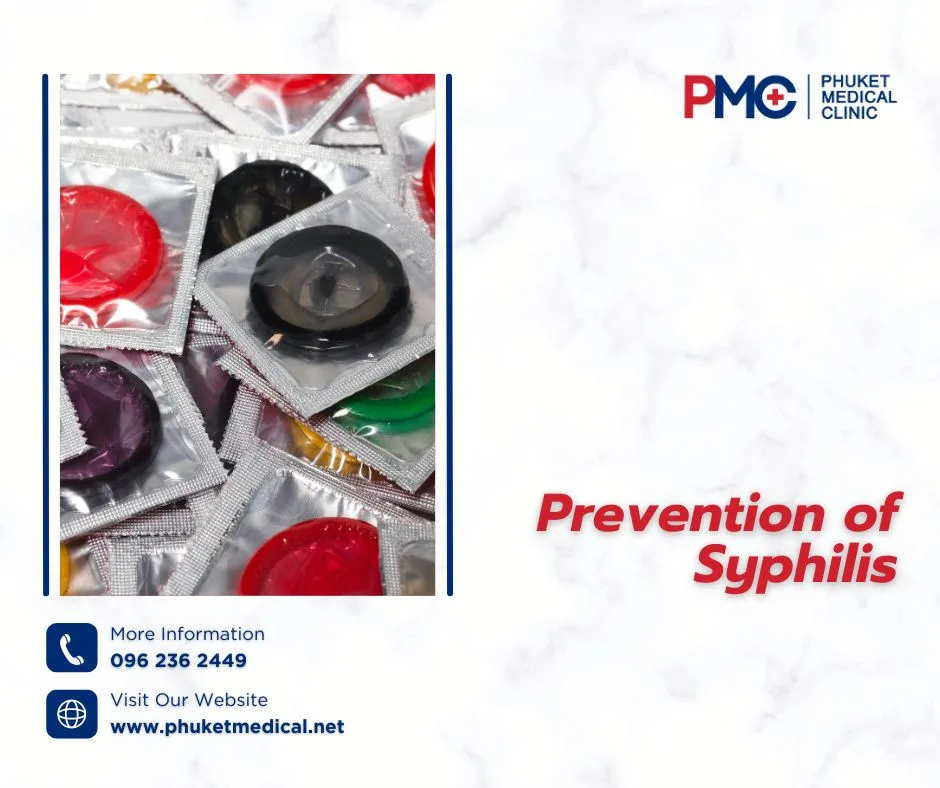
Prevention of Syphilis
Although syphilis is a curable disease, prevention is always the best approach to avoid potential health risks and complications. Here are effective ways to prevent syphilis:
- Use condoms every time you have sex: Using condoms correctly and consistently during every sexual encounter—whether with a long-term partner or a new one—is one of the most effective methods to prevent syphilis and other sexually transmitted infections (STIs). Condoms act as a barrier to prevent the transmission of bacteria from bodily fluids or sores. However, keep in mind that condoms only protect the areas they cover. If a syphilitic sore is present outside the area covered by the condom, there is still a risk of transmission—though significantly reduced.
- Avoid risky sexual behavior: Having multiple sexual partners or engaging in unprotected sex increases the risk of contracting syphilis. Avoid sex with individuals whose sexual health status is unknown or with newly acquainted partners. Reducing the number of sexual partners and avoiding casual sex can lower the risk. Additionally, when starting a new sexual relationship, it’s important to have an open conversation about STI testing and agree to mutual protection.
- Regular health and STI screenings: If you engage in behaviors that put you at risk, you should undergo regular STI screenings, including tests for syphilis and HIV. Depending on your risk level, testing may be recommended every 3–6 months or at least once a year. Regular testing helps detect infections early for timely treatment. All pregnant women should be screened for syphilis during their initial prenatal visits to prevent transmission to the baby.
- Do not share needles or sharp objects: Although transmission through needles is rare, avoid sharing needles or any sharp objects that may be contaminated with blood. Be cautious with tattoos or piercings—only visit licensed and hygienic establishments that use sterile, single-use needles.
- Mutual honesty and responsibility between partners: Having a monogamous relationship with a partner who is equally committed reduces the risk of infection from others who may unknowingly carry the disease. If either partner is diagnosed with syphilis, they should inform the other immediately to undergo screening and treatment together—this helps prevent reinfection. Sexual activity should be avoided until both partners are fully treated and cleared of infection.
- Seek knowledge and consult professionals: If you have questions about STIs, consult a doctor or qualified specialist. Accurate information aids good decision-making and safe behavior. Open and constructive sex education within families or schools also plays a crucial role in preventing these diseases, especially among youth.
Syphilis Testing and Treatment at Phuket Medical Clinic
If you’re living in or visiting Phuket and seeking a safe and professional place to test and treat syphilis, Phuket Medical Clinic offers comprehensive, trustworthy services with the following highlights
- Comprehensive diagnostic services: The clinic is equipped with a lab for accurate syphilis testing, including RPR (Rapid Plasma Reagin) and TPHA confirmation, with short waiting times.
- Experienced medical team: Run by experienced doctors and medical staff specializing in STIs, offering friendly, non-judgmental consultations.
- Standardized treatment: If diagnosed, the clinic provides high-quality antibiotics in line with WHO guidelines, along with follow-up systems to ensure complete recovery.
- Convenient service access: Walk-ins are welcome daily, or appointments can be made online via the website or Line Official (@pmcphuket). Clinics are open from 10:00 AM – 6:00 PM and are available at three Phuket locations: Phuket Town, Laguna, and Boat Lagoon.
- High privacy standards: Services are offered without requiring a real name. All personal data is kept confidential, with every step conducted respectfully.
- Multiple locations across Phuket: With three branches—Phuket Town, Laguna, and Boat Lagoon—patients can easily access care from any part of the island.
- Inclusive and respectful care: The clinic embraces gender and cultural diversity, offering emotional as well as physical health support with respect and compassion.
Read More Articles
- Doxy PEP: The Sexually Transmitted Disease Prevention You Should Know About
- Phuket Medical Clinic – A clinic in Phuket that provides full medical services.
Contact Information
Laguna Branch
Phuket Medical Clinic – Laguna Branch is located at
- 58/1, Choeng Thale Subdistrict, Thalang District, Phuket 83100
- Open daily: Monday – Sunday, 09:00 AM–10:00 PM
- Contact via Line ID: @pmcphuket (Include @)
- Phone number: 096 236 2449
- Clinic Location: https://maps.app.goo.gl/SXaeLrSU9Lx47YPH6
- Online appointment booking: https://pmclaguna.youcanbook.me
Phuket Town Branch
Phuket Medical Clinic – Phuket Town Branch is located at
- 41/7-41/8, Talat Nuea Subdistrict, Mueang Phuket District, Phuket 83000
- Open daily: Monday – Sunday, 09:00 AM–9:00 PM
- Contact via Line ID: @pmcphuket (Include @)
- Phone number: 096 228 2449
- Clinic Location: https://maps.app.goo.gl/yeU9qNArGg3qdwZw9
- Online appointment booking: https://pmctown.youcanbook.me
Circle Clock Tower Branch
Phuket Medical Clinic – Circle Clock Tower Branch is located at
- 206/8 Phuket Rd, Taladyai, Mueang Phuket District, Phuket 83000
- Open daily: Monday – Sunday, 12:00 AM – 08:00 PM
- Contact via Line ID: @pmcphuket (Include @)
- Phone number: 096 696 2449
- Clinic Location: https://maps.app.goo.gl/svPvTabmmD1DHe9v9
- Online appointment booking: https://phuketmedicalclinic.youcanbook.me
Syphilis may seem distant to some, but in reality, it remains present and is resurging among younger generations. Lack of awareness and carelessness can make anyone a victim of this infection without realizing it. Understanding what syphilis is, its causes, symptoms, diagnostic process, and treatment can empower individuals to protect themselves and their loved ones.
Importantly, do not hesitate to get tested if you suspect exposure or experience suspicious symptoms. Early detection leads to easier and more effective treatment. Also, engage in open conversations with your sexual partners about sexual health to promote mutual protection and safety.
Ultimately, syphilis serves as a reminder that sexual health awareness and hygiene should never be overlooked. In an age where sex is a normal part of adult life, taking responsibility for your own health—by practicing prevention and regular screening—enables you to enjoy your sexual life safely and without fear.
References
- Centers for Disease Control and Prevention (CDC). Syphilis – CDC Fact Sheet. Overview of syphilis symptoms, transmission, testing, and treatment.
[Online] Available at: https://www.cdc.gov/std/syphilis/stdfact-syphilis.htm - World Health Organization (WHO). WHO Guidelines for the Treatment of Treponema pallidum (Syphilis). [Online] Available at: https://www.who.int/publications/i/item/9789241548519
- UNAIDS. Confronting Syphilis: Strategies for Prevention, Diagnosis, and Treatment.
[Online] Available at: https://www.unaids.org/en/resources/presscentre/featurestories/2021/march/20210308_syphilis-strategies - Department of Disease Control, Ministry of Public Health Thailand. Sexually Transmitted Infections – Syphilis. Official website with information about syphilis in Thailand, including prevention, treatment, and national guidelines.
[Online] Available at: https://ddc.moph.go.th/dstd/pagecontent.php?page=syphilis - National Health Commission Office of Thailand (NHCO). Syphilis: The Silent Sexual Threat That Has Returned. [Online] Available at: https://www.nationalhealth.or.th/th/node/4314