
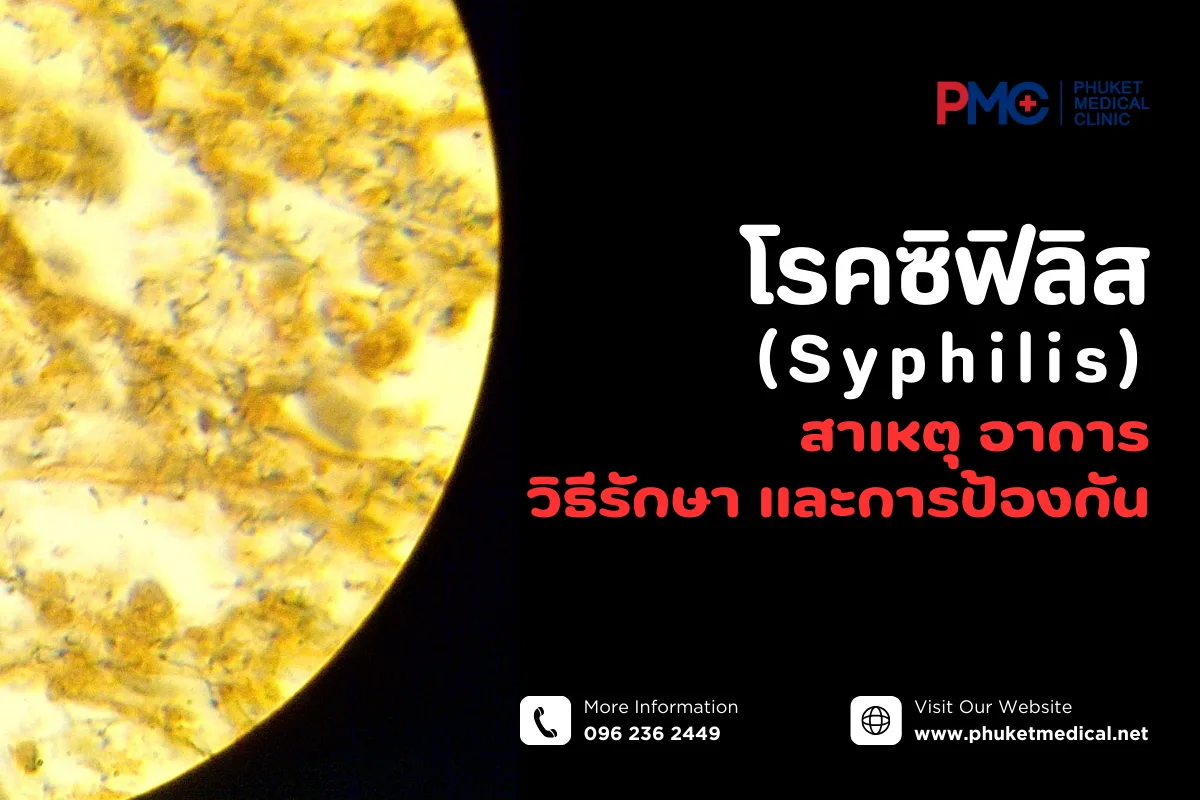
Syphilis is a sexually transmitted disease caused by infection with the bacterium Treponema pallidum, which is a spiral-shaped organism that can enter the body through mucous membranes or small wounds on the skin and spread rapidly through the bloodstream. Syphilis is a common disease among reproductive age groups, especially those who have unprotected sex or have multiple partners.
The disease has a variety of symptoms depending on the stage of the infection. If left untreated, the infection can progress to cause serious complications and eventually lead to death.
What is Syphilis?
Syphilis is a sexually transmitted disease caused by the bacterium Treponema pallidum. This bacterium can effectively penetrate the bloodstream and live in various organs of the body, such as the brain, heart, skin, and bones. When viewed through a microscope, the appearance of this type of bacteria is a spiral that can move quickly.
Syphilis can spread and show symptoms at different times, which are divided into different stages, from the early stage to the severe stage. If left untreated, this disease can affect various systems in the body and cause serious complications, such as heart disease, blindness, brain damage, or even death.
Causes of Syphilis
Syphilis is a sexually transmitted disease caused by a type of bacterium called Treponema pallidum, which has a spiral shape similar to a drill (Spirochete bacteria). This type of bacteria has the ability to move in moist environments and mucous membranes in the human body, allowing it to spread and cause infections in various systems of the body quickly.
However, Treponema pallidum is weak and easily destroyed in dry environments, high temperatures, or exposure to chemicals such as soap, disinfectants, or sunlight. Therefore, the chances of the bacteria surviving And spread in the general environment is less, but direct spread from person to person is still the main way that syphilis is transmitted.
How is syphilis transmitted?
- Direct contact with a syphilis sore
- A syphilis sore, also known as a “chancre”, is a sore that often appears on the external genitals, vagina, anus, or anus.
- Direct contact with these sores during vaginal, anal, or oral sex can cause immediate infection, since chancres contain high levels of bacteria.
- Mother-to-child transmission
- A pregnant woman infected with syphilis can pass the infection to her unborn baby through the placenta or during birth, leading to an infection called “congenital syphilis”.
- Infection in infants can cause serious consequences, such as hearing loss (deafness), vision loss (blindness), abnormal body structure, neurological defects, and in rare cases, death.
- Using contaminated needles or equipment
- Although rare, sharing needles with an infected person can cause the bacteria to spread into the body.
Syphilis is not contagious.
Although syphilis is a disease that is easily spread through contact with sores or bodily fluids, there are still some misconceptions about how the disease is transmitted. Here are some things that syphilis cannot be transmitted:
- General contact, shaking hands, hugging, or sharing everyday life does not cause infection.
- Sharing objects Syphilis cannot be transmitted through sharing swimming pools, toilets, or equipment such as spoons, forks, or towels with others.
- Airborne or water contact Syphilis is not spread through air, saliva, or coughing and sneezing.
Therefore, if you are concerned about the spread of the disease through sharing objects, such as sitting on the toilet or swimming in a pool with an infected person, you can rest assured that this germ cannot be transmitted through such methods.

Who should be tested for syphilis?
- People who are at risk of contracting STDs People who are at risk of contracting STDs, such as having unprotected sex or having multiple partners, are at high risk of contracting syphilis because Treponema pallidum can easily spread through direct contact with chancre or rash caused by the disease.
- People who have frequent sex partners Frequent sex partners increase the risk of contracting syphilis and other STDs because they may come into contact with an infected partner without knowing it and may not be able to monitor their health.
- People who do not use condoms or other methods of protection. Having sex without using condoms directly increases the risk of contracting syphilis. Although condoms are not 100% effective, using them correctly can greatly reduce the chances of contracting the disease.
- People who suspect that their partner has symptoms of syphilis If they find that their partner has abnormal symptoms, such as chancre on the genitals, a rash all over the body, or symptoms similar to syphilis, they should get tested as soon as possible to prevent the spread of the infection and receive appropriate treatment.
Pregnant women or those who are preparing to become pregnant
- Pregnant women should be tested for syphilis as early as possible during pregnancy. Since syphilis can be passed from mother to child through the placenta or during birth, if left untreated, the baby may become infected with congenital syphilis, which can lead to serious complications such as disability or death.
- For women who are planning to have children, a health checkup, including a syphilis test, can help ensure that they are not infected, which can prevent the infection from spreading to their future babies.
For couples or couples planning to get married, a syphilis test is an important step for couples or couples planning to get married, as it can help reduce the risk of transmission between couples and help both parties feel confident about each other’s health. If the infection is found, it can be treated promptly to prevent long-term complications.
For women of childbearing age, women of childbearing age should be tested for sexually transmitted diseases, including syphilis, at least once a year, especially if they are at risk. Regular health checkups can help detect the infection early and treat it before it becomes more severe.
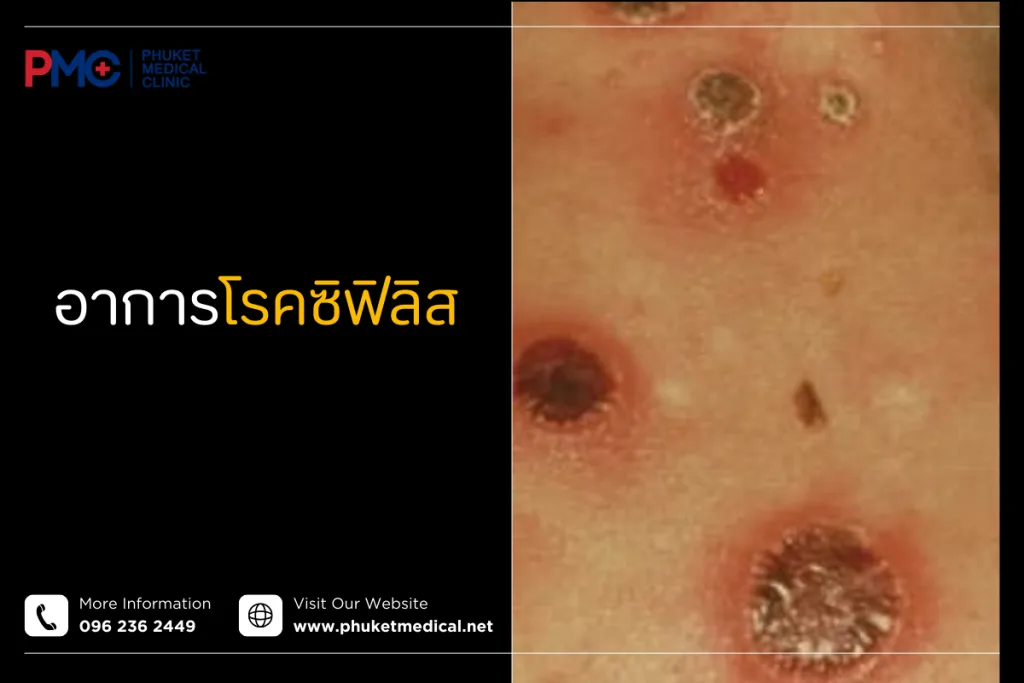
Syphilis Symptoms
Syphilis symptoms are divided into 3 stages according to the stage of infection as follows:
Stage 1: Sore stage (Primary Syphilis) or chancre
- The period when symptoms begin to appear After infection, about 10-90 days, patients will begin to notice symptoms of the disease in this stage.
- Symptoms Patients will start to have small bumps on the skin in areas where the infection occurs, such as
- Genitals or females (pubic area, testicles, vagina)
- Nipple area
- Groin or other areas that have come into contact with the infection.
- These small bumps will expand and develop into a sore, a characteristic of the disease called “chancre”.
- Characteristics of chancre
- It is a shallow, round or oval wound.
- The bottom of the wound looks like a button, with hardness around the wound.
- It is not very painful, so some patients do not notice it.
- The wound may be a single wound or multiple wounds connected together.
- Spread of infection The infection will begin to enter the bloodstream and lymph nodes in the first week after the wound occurs. Causes nearby lymph nodes to swell.
- Healing of the wound If left untreated, the chancre will heal on its own within 3-10 weeks, but the infection will remain in the body and develop into the second stage.
Stage 2: Secondary Syphilis
- Duration of entering this stage After the chancre has healed for about 1-3 months, the disease will develop into this stage.
- Symptoms The infection in this stage begins to spread throughout the body, causing various noticeable symptoms, such as:
- A rash or bumps on the palms of the hands, soles of the feet, and other parts of the body, including the genitals.
- These bumps may look like warts and may occur in the anus or groin area.
- White patches in the mouth (mucous patches), which may cause pain or irritation in the mouth.
- Some people may start to have a fever, sore throat, swollen lymph nodes, or get tired easily.
- Weight loss, hair loss in patches, or thinning hair.
- Characteristics Symptoms in this stage may last for several weeks to months, then the symptoms will subside on their own. Even without treatment, the infection will remain in the body. And patients can spread the infection to others.
Stage 3 Tertiary Syphilis
- The duration of this stage If not treated, the disease will enter stage 3, which may take several years (from 10 years or more) after stage 2.
- Symptoms This stage is the stage where the germs destroy important organs in the body, such as
- Cardiovascular system and blood vessels, aneurysms may occur, causing heart failure.
- Nervous system Affects the brain and spinal cord, such as paralysis, loss of balance, blindness, deafness, or memory loss.
- Organs, such as destruction of bones, joints, and other important organs in the body.
- Severe effects If not treated at this stage, the disease may cause the patient to die from complications in important organs.
Complications of Syphilis
Complications in various stages of Syphilis
Stage 1 (Primary Syphilis) Risk of spreading infection
- Although the disease does not cause serious damage to organs at this stage, the chancre, which is a painless wound, may cause the patient to not know that they are infected, causing them to spread the infection to others unintentionally.
- If left untreated, the infection will enter the bloodstream and lymph nodes, causing the disease to progress to the next stage, which is more severe.
Stage 2 (Secondary Syphilis) Spread of the infection throughout the body
- In this stage, the infection will start to spread throughout the body. Patients may have a rash on the palms, soles, or other parts of the body. These symptoms may disappear on their own, but the infection remains hidden in the body.
- If left untreated at this stage, the infection will enter the dormant stage (Latent Syphilis), which may not show any symptoms, but is still a silent threat waiting for time.
Stage 3 (Tertiary Syphilis) Severe complications
- This stage is when the infection causes damage to vital organs, such as the heart, brain, spinal cord, nerves, and arteries.
- Effects on the nervous system Syphilis can cause encephalitis (Neurosyphilis), which leads to severe headaches, loss of balance, paralysis, or even dementia.
- Effects on the cardiovascular system The infection can cause aneurysms or ruptures of major arteries, which can lead to heart failure.
- Effects on various organs, such as the destruction of joints, bones, and surrounding tissues, resulting in permanent disability.
Effects on the immune system and risk of HIV
- Syphilis affects the body’s immune system, making it more susceptible to HIV infection, as the sores caused by syphilis allow HIV to enter the bloodstream more easily.
- People who are infected with HIV and syphilis are more likely to develop serious complications due to a weakened immune system.
Effects on pregnant women and their fetuses
- A pregnant woman who is infected with syphilis can pass the infection to her fetus, which can lead to congenital syphilis.
- Effects on the baby
- Low birth weight
- Developmental delays
- Hearing or vision problems
- In severe cases, the baby may die in the womb or after birth.
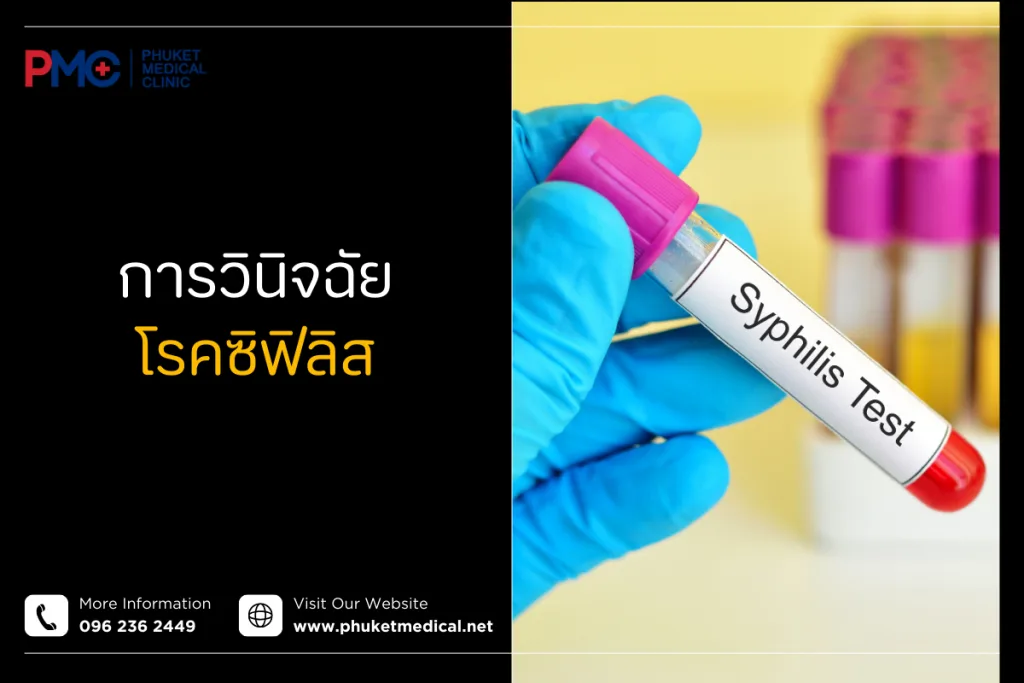
Diagnosis of Syphilis
Blood Test Blood test is the easiest and most common way to diagnose syphilis because it can detect the infection even in the asymptomatic stage. The important methods of testing are as follows:
VDRL (Venereal Disease Research Laboratory Test)
- This is a test for antibodies in the blood that the body produces to fight syphilis. This method can indicate the amount of germs in the body and helps in assessing the severity of the disease.
- Advantages Results within 1 day Suitable for preliminary screening
Limitations In some cases, it may give a false positive result if the patient has other diseases or conditions that cause similar antibodies, such as autoimmune diseases.
TPHA (Treponema Pallidum Hemagglutination Assay)
- This test is specific to syphilis directly. It is used to confirm the results of the VDRL test whether the results are really positive or not.
- Advantages High accuracy Suitable for confirming the diagnosis
- Limitations It takes longer than VDRL and cannot indicate the stage of the disease.
- RPR (Rapid Plasma Reagin) This is a rapid blood test. And the results are similar to VDRL, but the results can be known within 15-30 minutes. Suitable for screening in hospitals that require speed.
- Lesion Fluid Test In cases where patients have chancre or other skin wounds suspected of being caused by syphilis, the doctor may collect a sample of fluid from the wound for analysis.
- This method helps to detect Treponema pallidum bacteria directly through a dark field microscope or culture.
Suitable for patients with wounds that have not healed and want to confirm the diagnosis.
Cerebrospinal Fluid Test
This test is done in cases where it is suspected that the patient may be infected with syphilis in the nervous system (Neurosyphilis), which is a severe complication.
Cerebrospinal fluid is collected through a lumbar puncture to test for germs and antibodies in the cerebrospinal fluid.
This method is used for patients with neurological symptoms, such as severe headaches, abnormal balance, or vision problems.
Treatment of syphilis
Antibiotics
- The mainstay of treatment for syphilis in all stages is still antibiotics, especially penicillin injections, which are highly effective in eliminating Treponema pallidum.
- The administration of the drug depends on the stage of the disease.
- If the patient is in the early stages or stages 1 and 2, a single injection of penicillin is usually sufficient.
- If the patient is in stage 3 or has an infection in the nervous system, a larger dose and duration of injection may be required.
In the case of a patient allergic to penicillin
- Currently, there is no substitute drug that is as effective as penicillin.
- The doctor may choose to use other antibiotics, such as doxycycline or tetracycline in oral form, to treat syphilis in cases where the patient is allergic to penicillin.
- The treatment in this case requires close monitoring of the treatment results, as the results may differ from those of penicillin.
Symptomatic Treatment
- In cases where the patient has complications, such as pain, associated infection, or symptoms from drug allergies Doctors will provide supportive treatment based on symptoms.
- General health care, such as getting enough rest and strengthening the immune system, is also an important part of recovery.
Prevention of syphilis
Using condoms, important protective equipment
- Wearing a condom every time you have sex is a highly effective way to reduce the risk of contracting syphilis and other sexually transmitted diseases.
- Always use quality condoms that are in good condition and avoid using expired or damaged condoms.
Avoid risky behaviors.
- Avoid having sex with people who are suspected of having syphilis or people who have unusual sores or rashes on their genitals.
- Reduce the number of sexual partners and maintain a monogamous relationship, which reduces the risk of infection.
Pre-marriage and pregnancy check-ups
- For couples planning to get married, they should have a thorough physical examination, including a syphilis test, to ensure that neither of them is infected.
- If an infection is found, it should be treated immediately before marriage or pregnancy planning to reduce the risk of spreading the infection to the other person and passing it on to the baby in the womb.
- For pregnant women, a syphilis test during prenatal care is very important to prevent infection in the baby, which can lead to disability or death later.
Education and medical consultation
- Learning about syphilis, such as how it is transmitted, symptoms of the disease, and how to prevent it, is an important step in reducing the risk.
- If you suspect that you or your partner may be infected, you should see a doctor for proper diagnosis and advice.
Post-infection treatment
- If you are found to have syphilis, you should start treatment as soon as possible and strictly follow your doctor’s advice.
- It is important to inform your spouse or sexual partner of your infection so that both of you can seek treatment and prevent re-infection.

Frequently Asked Questions About Syphilis
Can You Get Syphilis from Kissing?
Although syphilis is a sexually transmitted disease, it can be transmitted through direct contact with an infected person’s sores. This includes kissing someone who has a syphilis sore on their mouth or tongue. Although this is rare, it can occur if they come into direct contact with the infection. This also includes touching an infected sore in other areas of the body, such as the genitals or anus.
- Advice: Avoid touching an infected person’s sores or having unprotected sex to prevent possible infection.
Can Syphilis Be Transmitted Through Saliva?
Syphilis cannot be transmitted through saliva directly, such as by sharing cutlery or drinking glasses. The bacteria that cause this disease can only be transmitted through direct contact with an infected person’s sores.
- Advice: If you find a sore in your mouth or an area that may be infected, see a doctor for diagnosis and treatment.
Are Syphilis and AIDS the Same?
Syphilis and AIDS (HIV/AIDS) are completely different diseases. And caused by different types of germs, as follows:
- Syphilis is caused by infection with the bacteria Treponema pallidum, which causes symptoms such as chancre and rashes in various stages of the disease.
- AIDS is caused by infection with the human immunodeficiency virus (HIV), which destroys white blood cells that build immunity, causing the body to weaken and more susceptible to other infections.
AIDS patients can get syphilis because their reduced immunity makes them more likely to get infected together.
- Advice: Prevention of both diseases can be done by using condoms and regular health check-ups.
Where can I get syphilis treated?
Syphilis can be treated at general hospitals, especially provincial hospitals, private hospitals, or specialized clinics such as Bangkok Safe Clinic, which provides diagnostic and treatment services for sexually transmitted diseases.
- Treatment process: Patients must undergo blood tests and be diagnosed by a doctor to determine the stage of the disease and determine an appropriate treatment plan.
Can syphilis be completely cured?
Syphilis can be completely cured if treated correctly and timely, especially in the early stages of infection. The use of antibiotics such as penicillin is the most effective treatment.
- Recommendations
- Get a health check-up immediately if you suspect you are at risk or infected.
- Inform your spouse or sexual partner to get tested and treated together to prevent re-infection.
Syphilis screening at Phuket Medical Clinic
Phuket Medical Clinic provides diagnosis and treatment of syphilis with modern and safe care standards. Our team of doctors and specialists are ready to provide detailed consultation to ensure that service recipients are confident in every step of their healthcare.
Syphilis screening services
- Blood tests to detect antibodies to syphilis, such as VDRL, RPR or TPHA, are highly effective tests and should be performed at all stages of the disease, including asymptomatic syphilis.
- PCR (Polymerase Chain Reaction) tests use advanced technology to search for syphilis DNA in blood samples or secretions.
- Lesion Swab tests to collect samples from wounds or blisters suspected of being infected to directly test for the infection.
- Special tests for pregnant women Syphilis screening service for pregnant women to prevent the spread of infection to the fetus
- Follow-up service, follow-up service and treatment plan that is appropriate for each patient
Advantages of syphilis screening at Phuket Medical Clinic
- Modern technology screening, using tools and diagnostic techniques that meet international standards for accurate test results
- Team of expert doctors There is a team of specialist doctors with high experience in caring for patients with sexually transmitted diseases.
- Private service The clinic values patient privacy and ensures data security at every step.
- Fast and comprehensive service, from diagnosis, consultation, treatment to follow-up.
- Personalized advice The team of doctors is ready to provide advice on health care, syphilis prevention and reducing the risk of future sexually transmitted diseases.
If you suspect that you are at risk or showing symptoms related to syphilis, don’t wait! Get tested at Phuket Medical Clinic for timely and safe treatment.
Read more articles
- Sexually Transmitted Diseases: Information Everyone Should Know for Safety
- Syphilis: Know the Symptoms and How to Get Cured
Contact Channels
Laguna Branch
- Phuket Medical Clinic, Laguna Branch is located at 58/1, Cherngtalay Subdistrict, Thalang District, Phuket Province 83100
- Open every day, Monday – Sunday, 09.00 – 22.00 hrs.
- Inquire via Line id. @pmcphuket (with @)
- Contact number 096 236 2449
- Clinic map https://maps.app.goo.gl/SXaeLrSU9Lx47YPH6
- Book an appointment online https://pmclaguna.youcanbook.me
Branch in the city
- Phuket Medical Clinic, Phuket City Branch is located at 41/7-41/8, Talat Nuea Subdistrict, Mueang Phuket District, Phuket Province 83000
- Open every day, Monday – Sunday, 09.00 – 22.00 hrs.
- Inquire via Line id. @pmcphuket (with @)
- Contact number 096 228 2449
- Clinic map https://maps.app.goo.gl/yeU9qNArGg3qdwZw9
- Book an appointment online https://phuketmedicalclinic.youcanbook.me
Boat Lagoon Branch
- Phuket Medical Clinic Boat Lagoon Branch is located at 20/96. Moo 2, Thepkrasattri Rd., Koh Kaew Subdistrict, Mueang Phuket District, Phuket Province 83000
- Open every day, Monday – Sunday, 10.00 – 18.00 hrs.
- Inquire via Line ID. @pmcphuket (with @)
- Contact number 096 696 2449
- Clinic map https://maps.app.goo.gl/HbqfUKMEHXuKwan96
- Book an appointment online https://pmctown.youcanbook.me
Sexually transmitted diseases, including syphilis, are health problems that can be avoided if we are aware of the importance of taking proper care and protection. If you suspect that you may have an infection or have associated symptoms such as unusual sores or rashes on your genitals or other parts of your body, do not ignore or let the disease progress. See a doctor for a proper diagnosis and treatment as soon as possible.
Reference
- Centers for Disease Control and Prevention. Syphilis – CDC Fact Sheet (Detailed). https://www.cdc.gov/std/syphilis/default.htm
- World Health Organization. WHO Guidelines for the Treatment of Treponema pallidum (Syphilis). World Health Organization. https://www.who.int/publications/i/item/9789241549806
- Mayo Clinic. Syphilis: Symptoms, Diagnosis, and Treatment Options. Mayo Clinic. https://www.mayoclinic.org/diseases-conditions/syphilis/symptoms-causes/syc-20351756
- โรงพยาบาลรามาธิบดี มหาวิทยาลัยมหิดล. ความรู้เรื่องโรคติดต่อทางเพศสัมพันธ์และวิธีป้องกัน. คณะแพทยศาสตร์ โรงพยาบาลรามาธิบดี. https://med.mahidol.ac.th/ramachannel/home
- Bangkok Safe Clinic.การตรวจและรักษาโรคซิฟิลิสในประเทศไทย. Bangkok Safe Clinic. https://www.bangkoksafeclinic.com/