
The urinary system is a vital part of the body responsible for filtering waste. If it malfunctions, it can lead to health problems that interfere with daily life—such as frequent urination, discomfort, painful urination, or more severe conditions like chronic infections, kidney stones, or even urological cancers. That’s why taking care of this system is crucial. Receiving care from specialists at a trusted healthcare clinic in Phuket ensures accurate diagnosis and effective treatment.
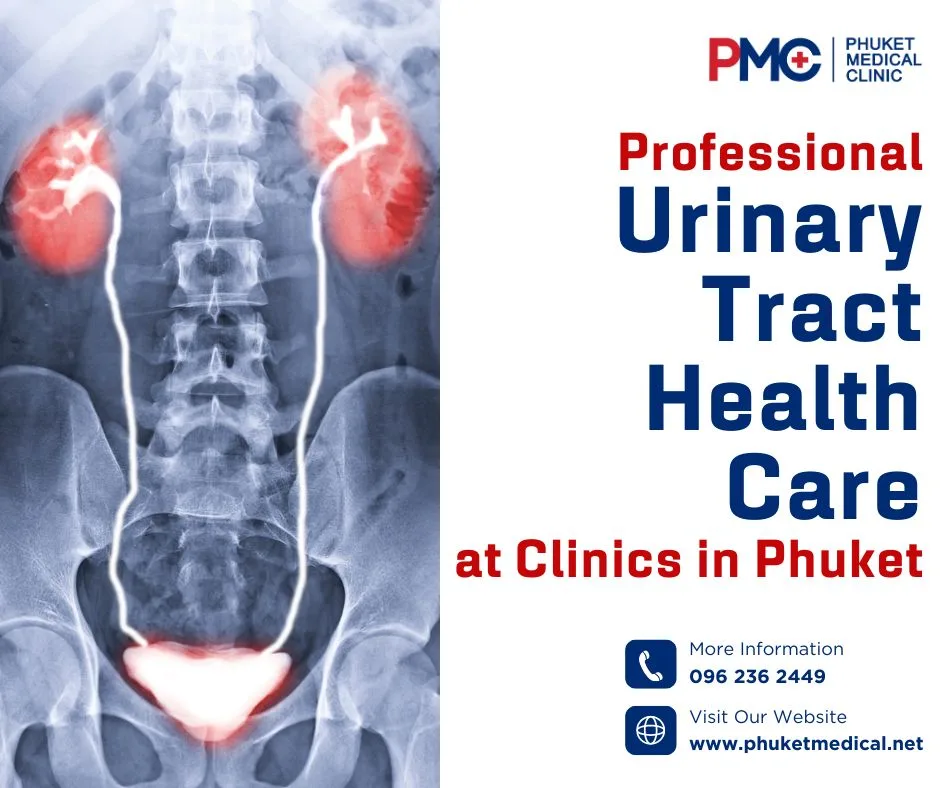
What Is the Urinary System?
The urinary system plays a key role in removing waste from the body in the form of urine. It consists of four main parts:
- Kidneys: These filter blood to remove waste and excess water. Each kidney contains functional units called nephrons, which filter the blood and reabsorb essential substances.
- Ureters: These tubes carry urine from the kidneys to the bladder using rhythmic muscle contractions that occur every 10–15 seconds.
- Bladder: This stores urine until it’s ready to be expelled. The bladder expands as it fills and sends signals to the brain when it’s time to urinate.
- Urethra: This is the tube that carries urine from the bladder out of the body. Its length varies between males and females.
Besides eliminating waste, the urinary system also helps regulate body fluid balance, pH levels, and the production of certain hormones related to blood pressure and red blood cell production.
If this system becomes impaired—due to infection, stones, or kidney failure—waste can accumulate in the body, posing a health threat. Regular check-ups and proper care are essential for preventing long-term issues.
How Does the Urinary System Filter Blood?
- It Starts with the Kidneys – The Body’s Natural Filters
- Humans have two kidneys located in the back of the abdominal cavity beneath the rib cage. Each kidney contains about 1 million nephrons.
- Each nephron has a part called the glomerulus, which functions like a sieve. Blood pumped from the heart flows into the kidneys through blood vessels, where the glomeruli filter out waste, excess water, toxins, urea, salts, and other impurities, starting the process of urine formation.
- Every day, the kidneys filter about 180 liters of fluid from the blood, but most of the water is reabsorbed—leaving only 1–2 liters of urine excreted daily.
- Reabsorption and Balance Adjustment
- After filtration, the resulting fluid is not yet complete urine. The body reabsorbs useful substances such as water, glucose, sodium, potassium, and amino acids through the renal tubules, reusing them to maintain internal balance.
- This is why people with kidney dysfunction may have abnormally high sugar or protein levels in their urine—because the kidneys fail to reabsorb them properly.
- Urine Formation and Excretion
- Once reabsorption is complete, the remaining water and waste become urine. It flows down the ureters to the bladder, where it is stored until the bladder is full and the urge to urinate triggers its release through the urethra.
How Does the Urinary System Help Regulate the Body?
Regulating Electrolyte Levels in the Blood
The kidneys play a crucial role in filtering and balancing electrolytes, such as:
- Sodium: Controls water balance, blood pressure, and the function of nerves and muscles.
- Potassium: Regulates heart rhythm, nerve signals, and muscle contraction.
- Calcium: Involved in bone health, blood clotting, and enzyme function.
If kidney function is impaired, it can lead to abnormal electrolyte levels. For example, high potassium can cause irregular heartbeats, while low calcium can result in muscle spasms.
Blood Pressure Regulation
The kidneys regulate blood pressure through the Renin-Angiotensin-Aldosterone System (RAAS):
- When blood pressure drops, the kidneys release the hormone Renin.
- Renin triggers the production of substances that constrict blood vessels, increasing blood pressure.
- The system also helps retain sodium and water, increasing blood volume and pressure.
Dysfunction in this system can result in chronic hypertension, a major risk factor for heart disease and kidney failure.
Stimulating Red Blood Cell Production
The kidneys produce the hormone Erythropoietin (EPO), which:
- Stimulates the bone marrow to produce more red blood cells.
- Helps maintain sufficient oxygen levels, especially in low-oxygen conditions like high altitudes or blood loss.
In patients with kidney failure, EPO levels drop, leading to chronic anemia, which causes fatigue, dizziness, and shortness of breath.
Maintaining Acid-Base Balance (pH)
The kidneys are vital in regulating the body’s acid-base (pH) balance by:
- Excreting excess hydrogen ions (H⁺) in the urine.
- Reabsorbing bicarbonate (HCO₃⁻), a base, back into the blood.
Failure in this function leads to metabolic acidosis, often seen in kidney failure, which can impair the heart, brain, and metabolism.
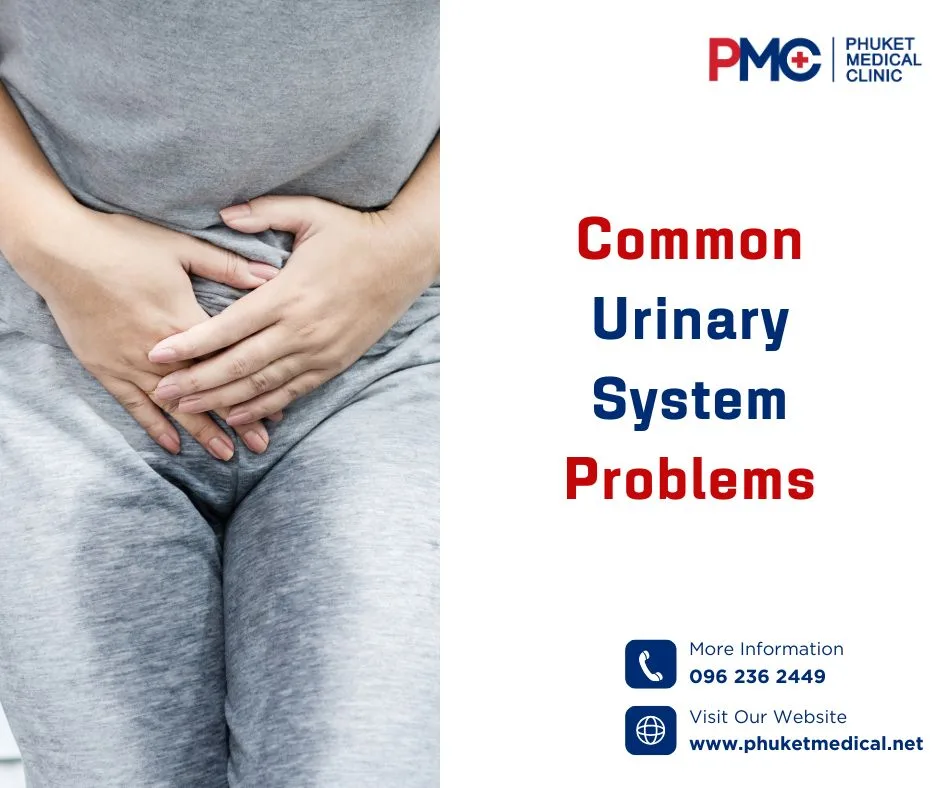
Common Urinary System Problems
- Frequent Urination or Incontinence This is often caused by bladder dysfunction or weak urethral sphincter muscles. Patients may feel the need to urinate frequently in small amounts or experience involuntary urination. Causes include infections, diabetes, pregnancy, or neurological disorders like Parkinson’s disease.
- Burning or Discomfort During Urination A sign of inflammation or infection in the urinary tract—such as cystitis (bladder inflammation) or urethritis (urethra inflammation). Often accompanied by cloudy or foul-smelling urine.
- Blood in the Urine (Hematuria) Blood may be visible or detected only through testing. Causes range from infection and kidney stones to trauma or cancers such as bladder or kidney cancer. Immediate medical diagnosis is required.
- Abnormally Low Urine Output If urine output is low despite adequate fluid intake, it may indicate acute kidney failure or urinary tract obstruction, such as stones or tumors compressing the tract.
- Urinary Tract Infection (UTI) Common, especially in women. Caused by bacterial infection in the bladder, urethra, or kidneys. Symptoms include burning during urination, frequent urination, lower abdominal pain, and fever. Kidney infections may cause back pain and chills.
- Kidney or Bladder Stones Stones are mineral deposits that cannot dissolve and cause obstruction, leading to severe cramping back or abdominal pain, nausea, vomiting, blood in urine, or cloudy urine. Larger stones may require shock wave therapy or surgery.
- Benign Prostatic Hyperplasia (BPH) In older men, the prostate enlarges and compresses the urethra, causing difficulty in urination, straining, incomplete emptying, or urinary retention. Common after age 50 and may require medication or surgery if severe.
- Chronic Kidney Disease (CKD) A progressive loss of kidney function. Early symptoms are often subtle but may lead to swelling, fatigue, nausea, poor appetite, and may require dialysis or transplant in advanced stages.
Who Should Get a Urinary Health Check?
- Individuals with recurring urinary symptoms
- People with frequent urinary tract infections
- Elderly individuals with incontinence
- Men with suspected prostate enlargement
- Women with overactive bladder symptoms
- Anyone undergoing annual health checkups who wants to assess kidney and urinary function
Symptoms of Urinary Tract Disorders
Symptoms of urinary tract diseases can vary depending on the affected organ, such as the kidneys, ureters, bladder, or urethra. Common symptoms include:
- Frequent urination Often caused by bladder irritation or infections like cystitis or overactive bladder syndrome. Patients may feel the urge to urinate frequently, both day and night, even after just urinating.
- Burning sensation during urination A key sign of a urinary tract infection (UTI), especially in women. It may be accompanied by cloudy urine or an unusually strong odor.
- Blood in the urine (Hematuria) May result from infections, stones, or urinary tract cancers. The urine may appear red, pink, or rust-colored. Immediate diagnosis is necessary.
- Decreased urine output or urinary retention Can be a sign of acute kidney failure or blockages like ureteral stones or enlarged prostate. Severe cases may present with body swelling.
- Lower abdominal or lower back pain Often associated with bladder inflammation or kidney infections (pyelonephritis). Kidney infections may also cause fever, chills, nausea, and flank pain.
- Urinary incontinence Can be due to weakened pelvic floor muscles or nerve issues affecting bladder control. Common in older adults or neurological patients (e.g., stroke, Parkinson’s disease).
- Swelling and fatigue When the urinary system, particularly the kidneys, malfunctions, the body may retain fluids and waste. Symptoms may include swelling of the feet, face, or eyelids in the morning, and unexplained fatigue.
- Fever and chills Seen in upper urinary tract infections, especially kidney infections, which require urgent medical attention.
- Male-specific symptoms Hesitant or weak urine stream may indicate enlarged prostate, especially in men over 50. Prostate examination and bladder pressure tests are recommended.

Diagnosing Urinary Tract Disorders
In professional urinary health care, accurate and comprehensive diagnosis is key to effective treatment. Today, specialized clinics in Phuket offer a wide range of advanced diagnostic services, including:
Urinalysis
A basic yet essential test to assess kidney function and urinary tract health. It examines:
- Red/white blood cells in the urine
- Presence of protein or glucose
- Bacteria or crystal formation
This test helps detect infections, stones, and kidney disorders.
Urinary tract ultrasound
Uses high-frequency sound waves to create images of the kidneys, ureters, bladder, and prostate. It identifies blockages, stones, masses, or kidney enlargement. It’s painless, radiation-free, and quick—suitable for all age groups.
Blood tests to evaluate kidney function
Includes measurements of
- Creatinine
- BUN (Blood Urea Nitrogen)
- eGFR (Estimated Glomerular Filtration Rate)
These indicators show whether kidney function is normal or deteriorating. Abnormal results suggest kidney failure or chronic kidney disease, which requires prompt treatment.
Cystoscopy (Bladder endoscopy)
Inserts a small camera through the urethra to directly observe the bladder and urethra. Helps diagnose conditions such as
- Tumors
- Chronic ulcers
- Bladder stones
This test pinpoints the causes of symptoms like blood in urine or painful urination.
Urodynamic study
Measures how the bladder and urethra function during urine storage and release. It assesses:
- Bladder pressure
- Urine volume capacity
- Sphincter muscle response
Ideal for patients with frequent urination, incontinence, or urinary retention, especially elderly individuals or those with neurological conditions.

Treatment Guidelines for Urinary Tract Diseases
Treatment of urinary tract diseases depends on the type of disease, underlying cause, and severity. Physicians determine appropriate and targeted treatment plans based on each patient’s symptoms, diagnostic results, and medical history. Most specialized clinics in Phuket provide comprehensive treatment services as follows:
Use of antibiotics to treat infections
Urinary tract infections (UTIs) are common, particularly among women, the elderly, or individuals who frequently delay urination. The main treatment is antibiotic therapy. Physicians will choose the appropriate antibiotic based on the specific bacteria and the patient’s drug allergy history. Medications may be given orally or via injection in severe cases.
Medications to control bladder muscle contractions
For patients experiencing frequent urination, nighttime urination, or incontinence, physicians may prescribe medications that affect the nervous system controlling bladder muscle contractions. These drugs help reduce urgency and improve the ability to hold urine, thus enhancing quality of life.
Behavioral modification and self-care
This is a fundamental approach often recommended alongside medication. It focuses on daily health practices such as
- Drinking 1.5 to 2 liters of water per day
- Avoiding holding urine for too long
- Performing pelvic floor muscle exercises (Kegel exercises)
- Maintaining regular toileting habits
These practices help prevent recurrent episodes and may reduce the long-term need for medications.
Surgical treatment when necessary
For certain conditions—such as large kidney or bladder stones or urinary tract obstructions caused by tumors—surgery may be recommended. Minimally invasive surgical technologies currently available include
- Extracorporeal Shock Wave Lithotripsy (ESWL)
- Endoscopic surgery
- Laser surgery
The choice of method depends on the location of the disease, size of the stones, and the patient’s overall health.
Follow-up care and nutritional counseling
Ongoing follow-up after treatment is crucial for preventing recurrence. Doctors will schedule follow-up appointments to evaluate symptoms, kidney function, and medication response. Nutritional counseling is also offered to help modify dietary behaviors, such as
- Reducing salt intake to ease kidney workload
- Lowering protein consumption in some cases of kidney impairment
- Avoiding foods that may increase stone formation, such as those high in sodium or oxalate

Prevention of Urinary Tract Diseases
Urinary tract diseases such as infections (UTI), urinary stones, kidney inflammation, or kidney dysfunction often stem from inappropriate lifestyle habits or poor personal hygiene. Proper prevention plays a crucial role in reducing the risk of these conditions in women, men, and the elderly. Key preventive measures include:
- Drink adequate water Water helps dilute urine, reduce the accumulation of residues that can cause stones, and flush out bacteria from the urinary system. Adults should drink about 1.5–2 liters of clean water per day, or more in hot weather or with regular exercise.
- Avoid holding urine too long Holding urine for extended periods allows bacteria to multiply in the bladder, increasing the risk of infection and possibly causing long-term dysfunction of the bladder muscles. Ideally, urination should occur every 3–4 hours when the urge arises.
- Maintain genital hygiene Especially important for women—wiping from front to back after toileting helps prevent bacteria from the anus from entering the urethra. Men should also keep the genital area clean, particularly if uncircumcised.
- Urinate after sexual intercourse Urinating after sex helps flush out bacteria that may enter the urethra during intercourse, reducing infection risk. This is especially relevant for women due to a shorter urethra located close to the vaginal opening.
- Avoid irritant products Perfumed sprays for intimate areas, harsh chemical soaps, or feminine washes with inappropriate pH levels can disrupt the natural bacterial balance and increase inflammation or infection risk.
- Manage underlying health conditions Conditions such as diabetes and hypertension can negatively affect urinary health. Uncontrolled diabetes leads to high sugar levels in urine—feeding bacteria and increasing infection risk. High blood pressure may slowly damage kidney function. Regular checkups and proper medication management are essential.
- Eat kidney- and urinary-friendly foods Avoid salty, processed foods and those high in phosphates (e.g., soft drinks, artificial juices, and processed meats) to reduce the chance of stone formation and relieve kidney workload. Emphasize fresh vegetables, fruits, and whole grains.
- Get regular health checkups Especially important if you have a family history of kidney disease, stones, or frequent UTIs. Urine tests, blood tests to assess kidney function, and ultrasound screenings can help detect issues early and prevent serious complications.
- Maintain a healthy weight and exercise regularly Being overweight is linked to urinary issues such as incontinence or kidney stones. Exercising 3–5 times per week improves circulation and reduces strain on the kidneys.
Why Choose Phuket Medical Clinic for Urinary Tract Diagnosis and Treatment
Phuket Medical Clinic is a trusted center for comprehensive urological care, offering international standards and specialized medical teams ready to support your health professionally.
- Expert urologists At Phuket Medical Clinic, you’ll receive care from board-certified urologists with training and experience in treating complex cases such as kidney stones, enlarged prostate, kidney dysfunction, and chronic infections. Treatment plans are tailored for each individual.
- Advanced diagnostic technology The clinic uses modern medical equipment such as urinary tract ultrasounds, urodynamic studies, and cystoscopy to ensure accurate and fast diagnosis while minimizing discomfort.
- Comprehensive care from diagnosis to follow-up Patients are supported through the entire process—from initial assessment and laboratory testing to personalized treatment planning, medication management, follow-ups, and health behavior counseling to prevent recurrence.
- Private, empathetic, and nonjudgmental care Urinary health often involves sensitive or personal issues. Phuket Medical Clinic provides private care in a comfortable setting with strict confidentiality and an understanding approach, ensuring patients feel respected and supported.
- Convenient central Phuket location Easily accessible from main roads and key neighborhoods, the clinic is ideal for both residents and travelers. Ample parking and flexible service hours make it convenient for all.
- Thai and English support available For non-Thai speakers, such as tourists or expats, the clinic offers services and explanations in both Thai and English to ensure full understanding of your treatment plan.
- Holistic health services beyond urology In addition to urological diagnosis and treatment, the clinic offers other medical services including annual checkups, kidney function monitoring, diabetes and hypertension care, and nutritional counseling—all closely tied to urinary health.
Read More Articles
- Exploring Quality Health Check Clinics and Medical Services in Phuket
- Introducing a health clinic in Phuket that provides comprehensive healthcare for both locals and tourists.
Contact Information
Laguna Branch
Phuket Medical Clinic – Laguna Branch is located at
- 58/1, Choeng Thale Subdistrict, Thalang District, Phuket 83100
- Open daily: Monday – Sunday, 09:00 AM–10:00 PM
- Contact via Line ID: @pmcphuket (Include @)
- Phone number: 096 236 2449
- Clinic Location: https://maps.app.goo.gl/SXaeLrSU9Lx47YPH6
- Online appointment booking: https://pmclaguna.youcanbook.me
Phuket Town Branch
Phuket Medical Clinic – Phuket Town Branch is located at
- 41/7-41/8, Talat Nuea Subdistrict, Mueang Phuket District, Phuket 83000
- Open daily: Monday – Sunday, 09:00 AM–9:00 PM
- Contact via Line ID: @pmcphuket (Include @)
- Phone number: 096 228 2449
- Clinic Location: https://maps.app.goo.gl/yeU9qNArGg3qdwZw9
- Online appointment booking: https://pmctown.youcanbook.me
Circle Clock Tower Branch
Phuket Medical Clinic – Circle Clock Tower Branch is located at
- 206/8 Phuket Rd, Taladyai, Mueang Phuket District, Phuket 83000
- Open daily: Monday – Sunday, 12:00 AM – 08:00 PM
- Contact via Line ID: @pmcphuket (Include @)
- Phone number: 096 696 2449
- Clinic Location: https://maps.app.goo.gl/svPvTabmmD1DHe9v9
- Online appointment booking: https://phuketmedicalclinic.youcanbook.me
Your urinary health is key to your long-term quality of life. Choosing to get diagnosed and treated by a trusted team of specialists in Phuket is a safe and wise decision. If you or a loved one experiences urinary symptoms, don’t wait until they worsen—consult a specialist today for a healthier tomorrow.
References
- Centers for Disease Control and Prevention (CDC). Urinary Tract Infection (UTI). General information on causes, symptoms, and prevention of UTI. [Online] Available from: https://www.cdc.gov/uti/about/index.html
- Mayo Clinic. Urinary tract infection (UTI) – Symptoms and causes. [Online] Available from: https://www.mayoclinic.org/diseases-conditions/urinary-tract-infection/symptoms-causes/syc-20353447
- World Health Organization (WHO). Health topics: Urinary tract infections. [Online] Available from: https://www.who.int/health-topics/urinary-tract-infections
- ThaiHealth (สสส.). Understanding urinary system diseases. [Online] Available from: https://www.thaihealth.or.th/Content/54768
- Department of Health, Ministry of Public Health, Thailand. Urinary tract disease prevention guidelines. [Online] Available from: https://www.anamai.moph.go.th